
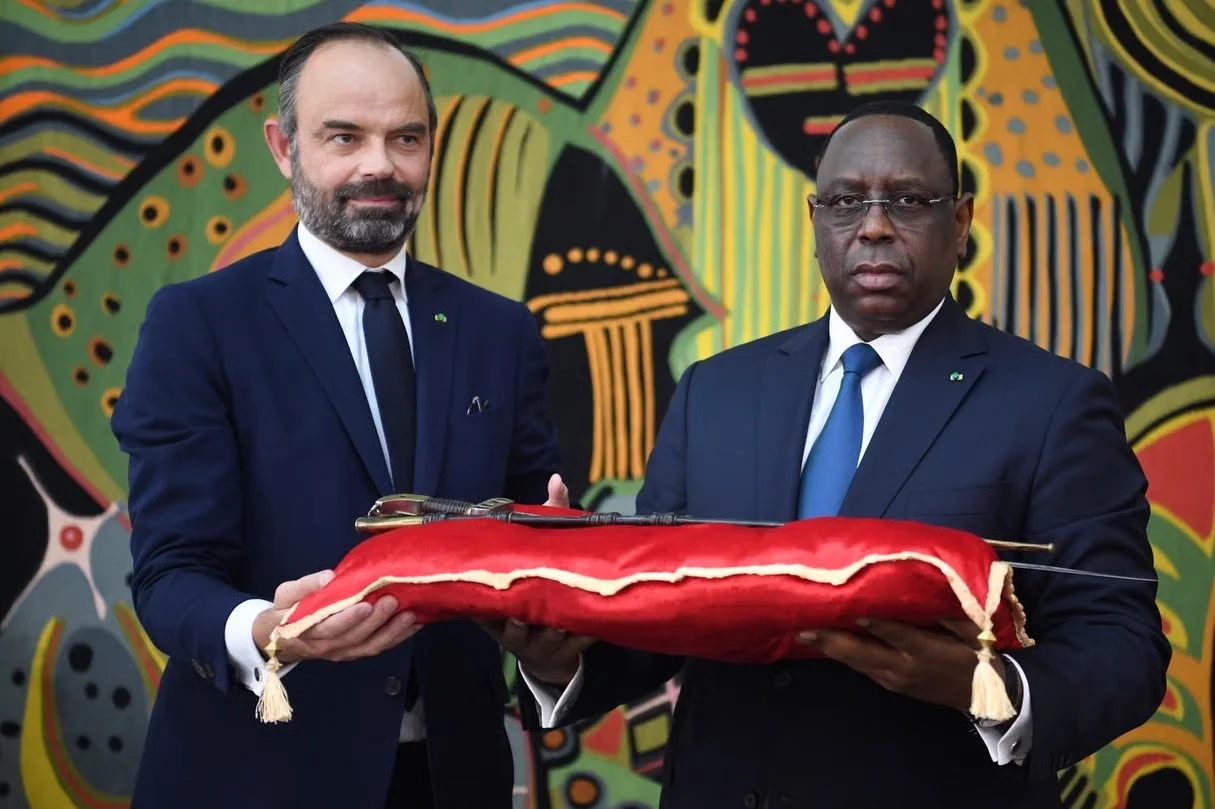
The Saber of El Hadj Omar Tall: Reconciling Repatriation for Postcolonialism
The return of the 19th century sabre of Senegalese political leader and Islamic scholar El Hadj Omar Foutiyou Tall indicates tensions within the repatriation of cultural heritage objects in the 21st century. While the act of repatriation appears to address colonial injustices, it ultimately remains constrained by Eurocentric, state-centric frameworks that reinforce colonial power dynamics rather than dismantle them.
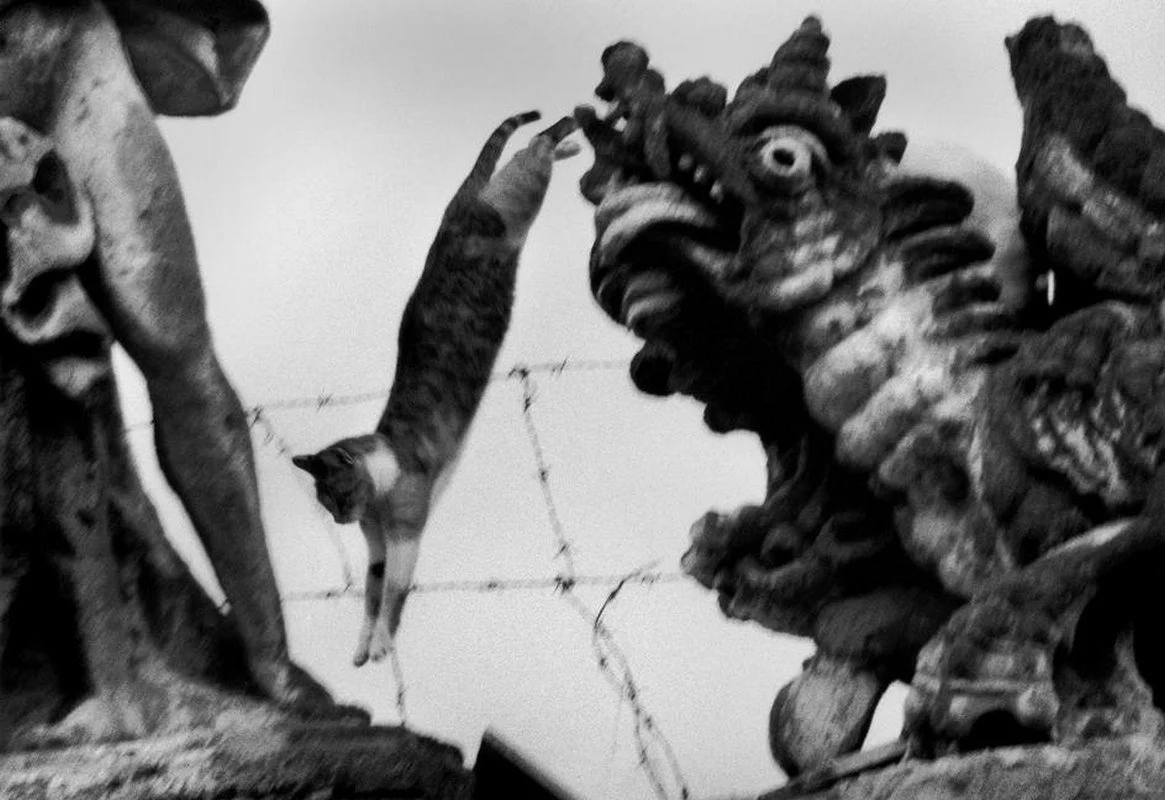
Sicily and ‘il sonno della ragione’: towards a Sciascian theory of art
Through close reading of Sciascia’s art criticism, supported by archival research from the University of Toronto’s Sciascia Archive Project, this study reconstructs a Sciascian theory of art situated within a distinctive sicilitudine (Sicilian manner) shaped by local history and collective psychology. This paper demonstrates how visual objectivity, fantasy, and monochromatic media inform and constitute Sciascia’s characterization of locally-informed artistic culture.
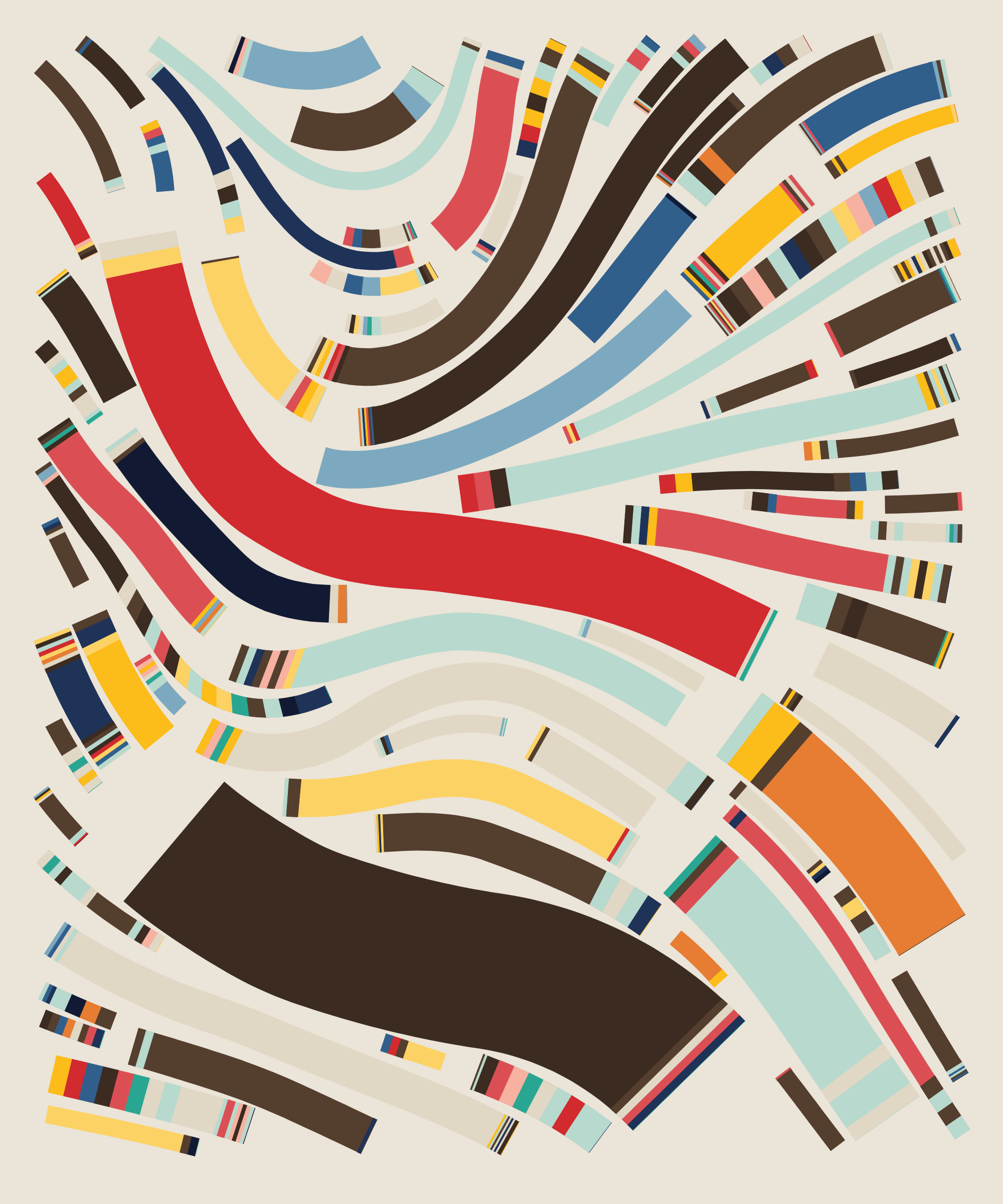
Digital Scarcity and Cultural Value: NFTs in the Contemporary Art Market
Beyond their technological structure, NFTs have generated new market ecosystems in which collectors, artists, traders, and platforms intersect, mirroring certain dynamics from the traditional art market while introducing challenges and opportunities unique to digital culture. These dynamics are not confined to a single landmark but emerge across a range of NFT practices, from early crypto-art projects to generative systems and large-scale participatory experiments.
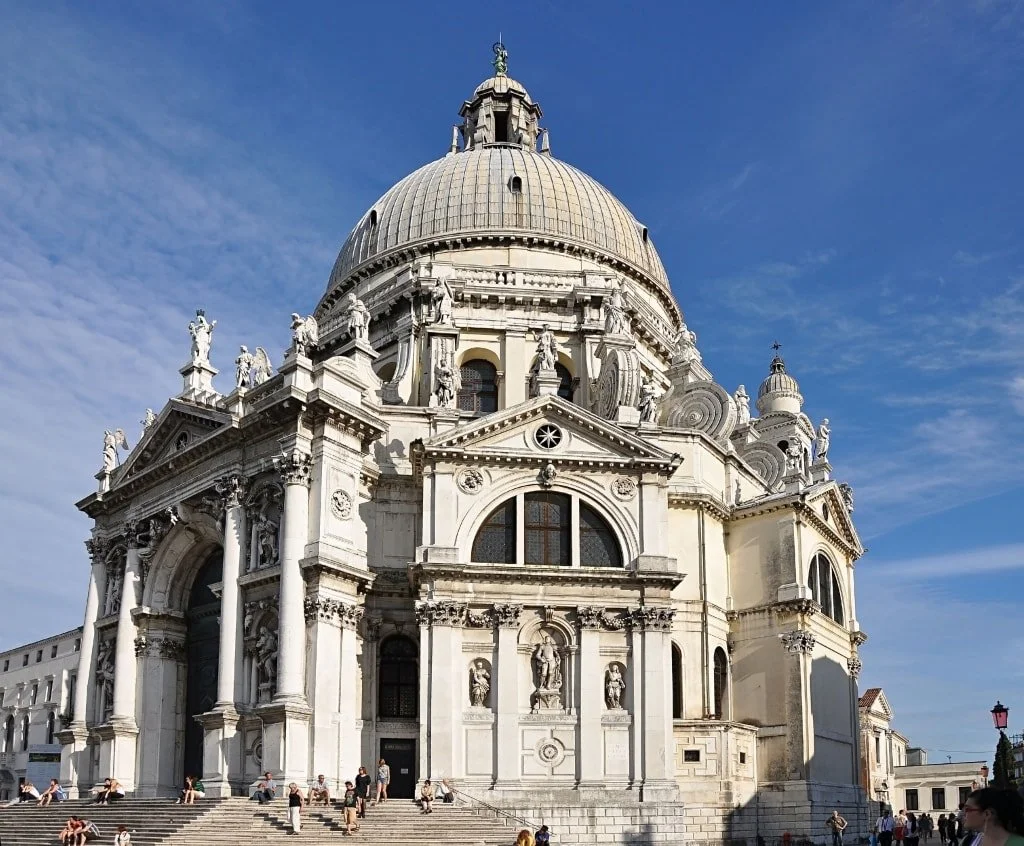
Santa Maria della Salute: Marian Iconography and Symbolism as an Allegory of the Virgin’s Salvation
Baldassare Longhena’s Basilica di Santa Maria della Salute in Venice (1687) embodies the Virgin Mary through the symbolism and iconography of the building's architecture, ultimately revealing the Virgin’s clemency towards Venetians in the wake of the bubonic plague.
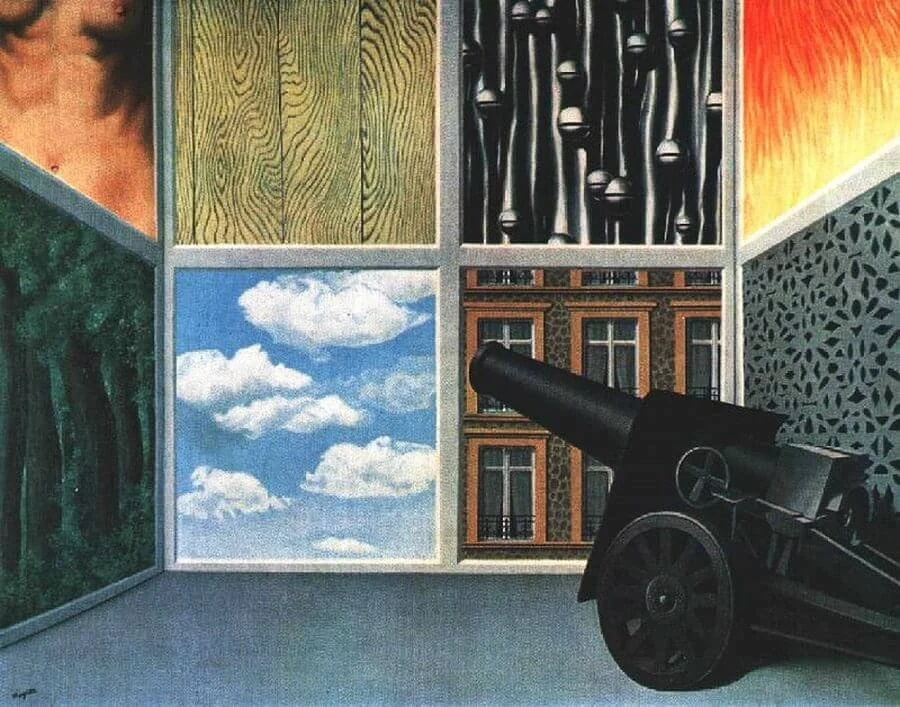
Bridging Reality and Fantasy: Architecture in Surrealist Photography
By distorting reflections, scale, and spatial logic, Surrealist photographers transform architecture from a stable marker of reality into an uncanny threshold where the familiar slips into dreamlike disorientation.

Reimagining Disability: Visual Culture, Representation, and the Law
Endorsed by social hierarchies that privilege the white, able-bodied, heterosexual male, stereotypes surrounding disability inform bodily representation in medicine, literature, popular media, and visual art, imbuing our culture and consciousness with learned biases against non-normative bodies.
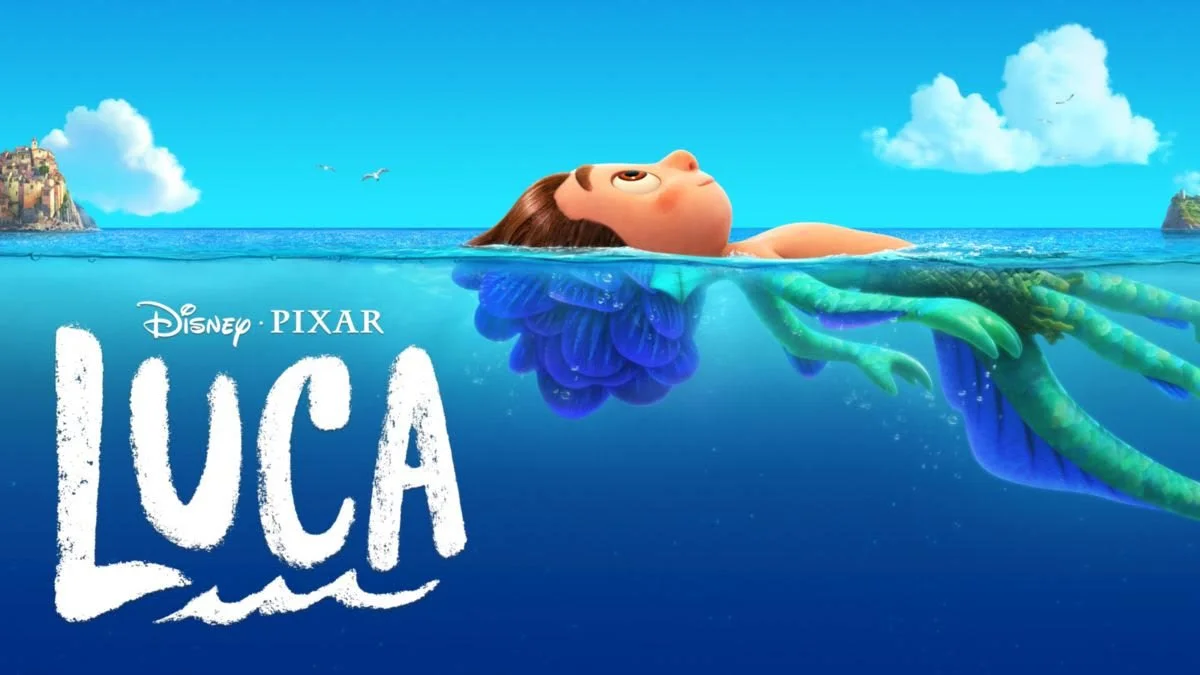
"Between Land and Sea: Binary Reductionism and the Fluid Self in Luca"
By exposing how fear-induced cultural fictions homogenize complex lived experiences, Luca critiques society's inherent binary reductionism, highlighting identity as a constantly negotiated and interconnected notion.

Radical Humanism: Velázquez’s Representations of Dwarfs in Philip IV’s Court
Diego Velázquez’s 16th-century portraits of court dwarfs for Spanish King Philip IV radically depart from pictorial conventions to imbue his subjects with dignity and gravitas, thus subverting traditional hierarchies of power.
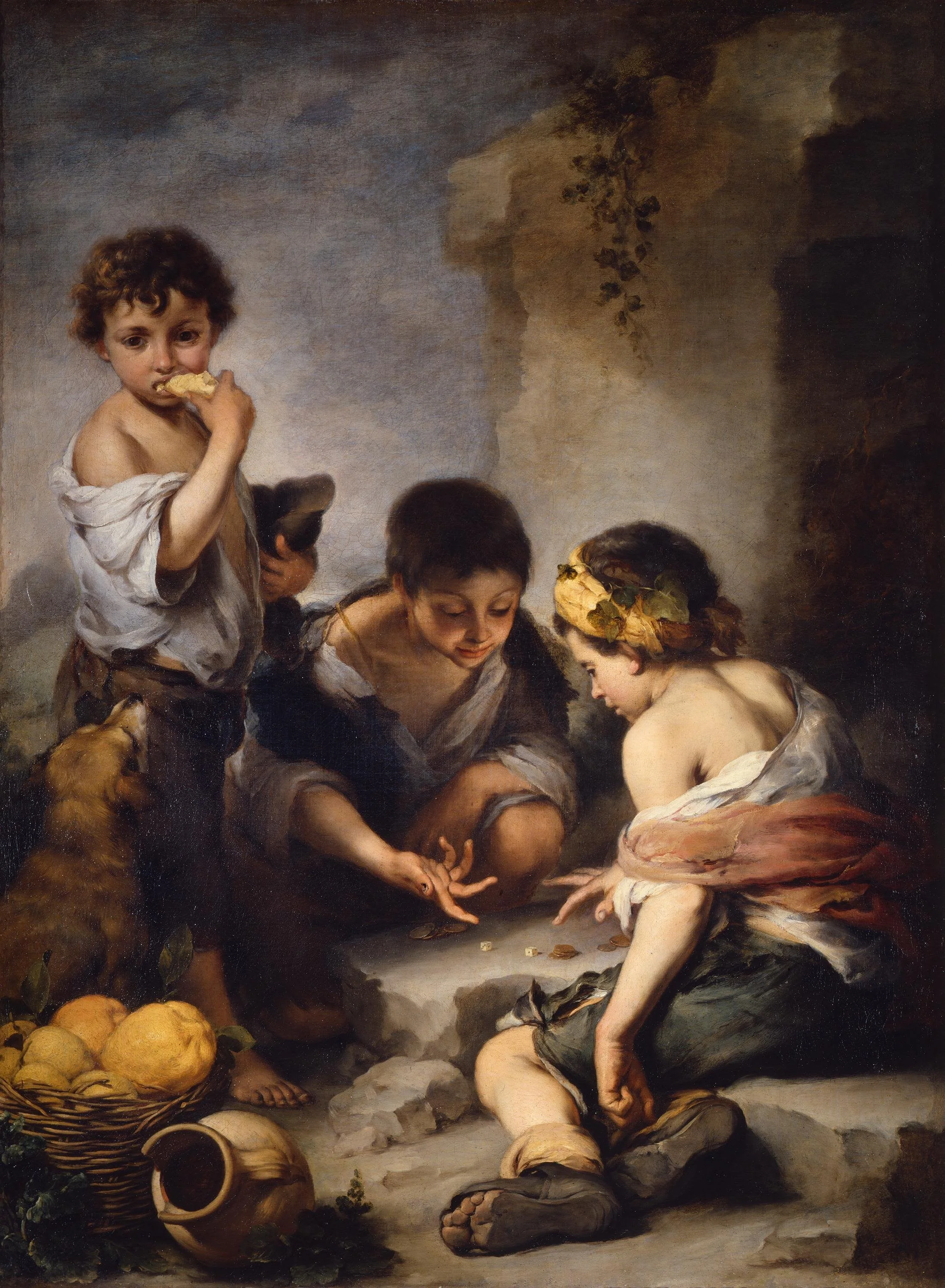
Secular Made Sacred:
Beaming children in tattered clothes starkly contrast bleak environments in Bartolomé Esteban Murillo's paintings, depicted with an ethereal radiance which diverges from their orphaned and impoverished state. In his renderings of childhood, Murillo bridges the secular and the divine, forging a hybrid visual language that sanctifies the poor, ostensibly secular children during a period of devastation in seventeenth-century Seville.
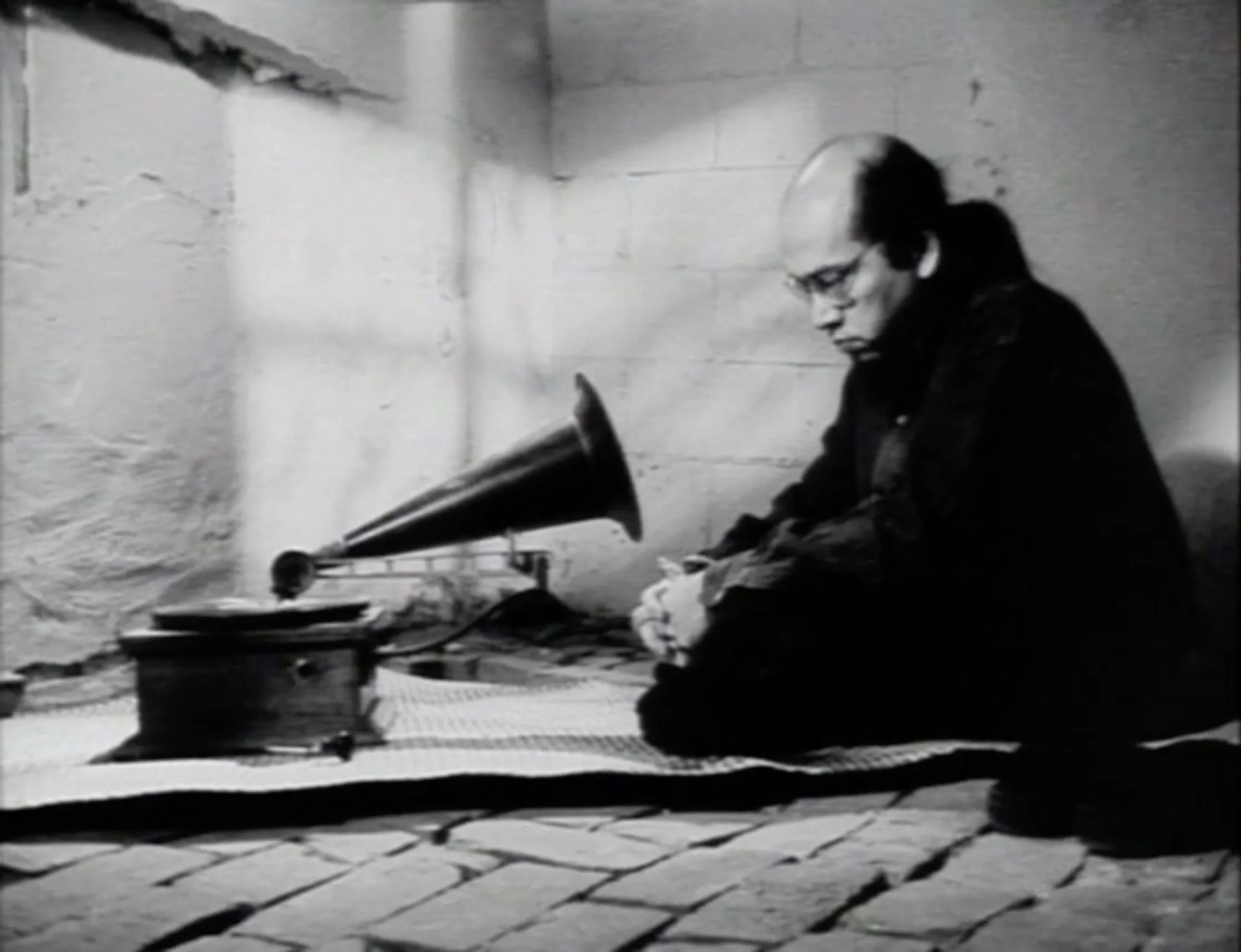
The Stakes of Diasporic Framing in Contemporary Asian Art
“Diaspora” operates as an institutional label across exhibitions and art historical discourse, shaping how contemporary Asian art is interpreted. Examining this term reveals complex tensions between political recognition and curatorial constraint.
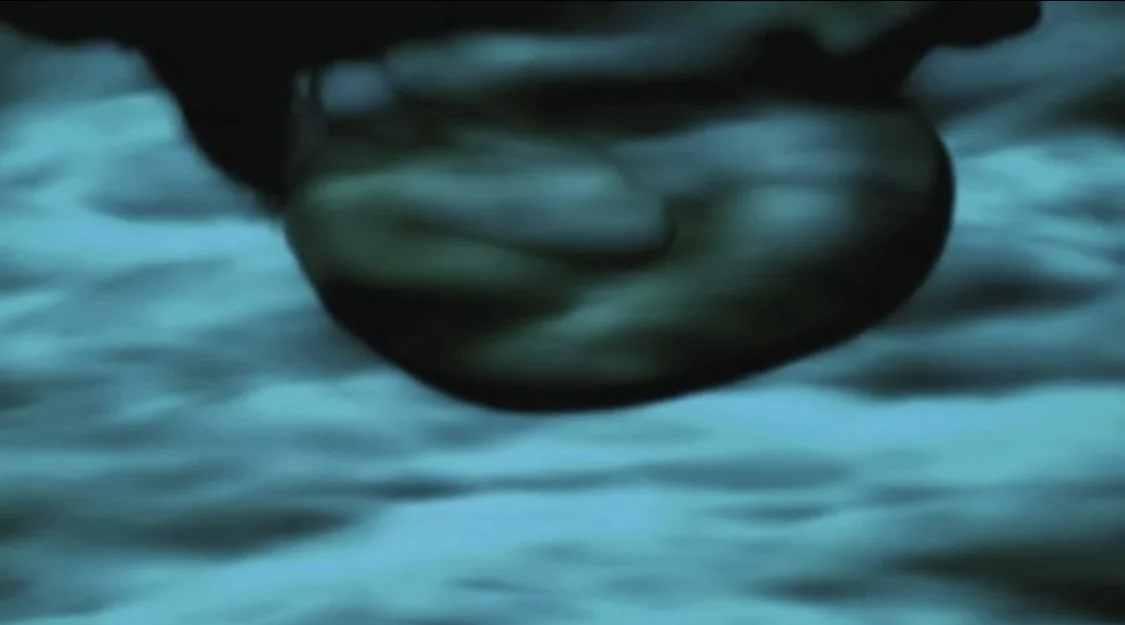
Conversations with the Moon: How Anishinaabe Artist Caroline Monnet Challenges Settler Time with Film
Caroline Monnet’s IKWÉ embodies the reciprocities of care between Indigenous women’s bodies and the Earth’s land and waters, entrusting viewers to engage with intergenerational knowledges that endure beyond linear settler time.
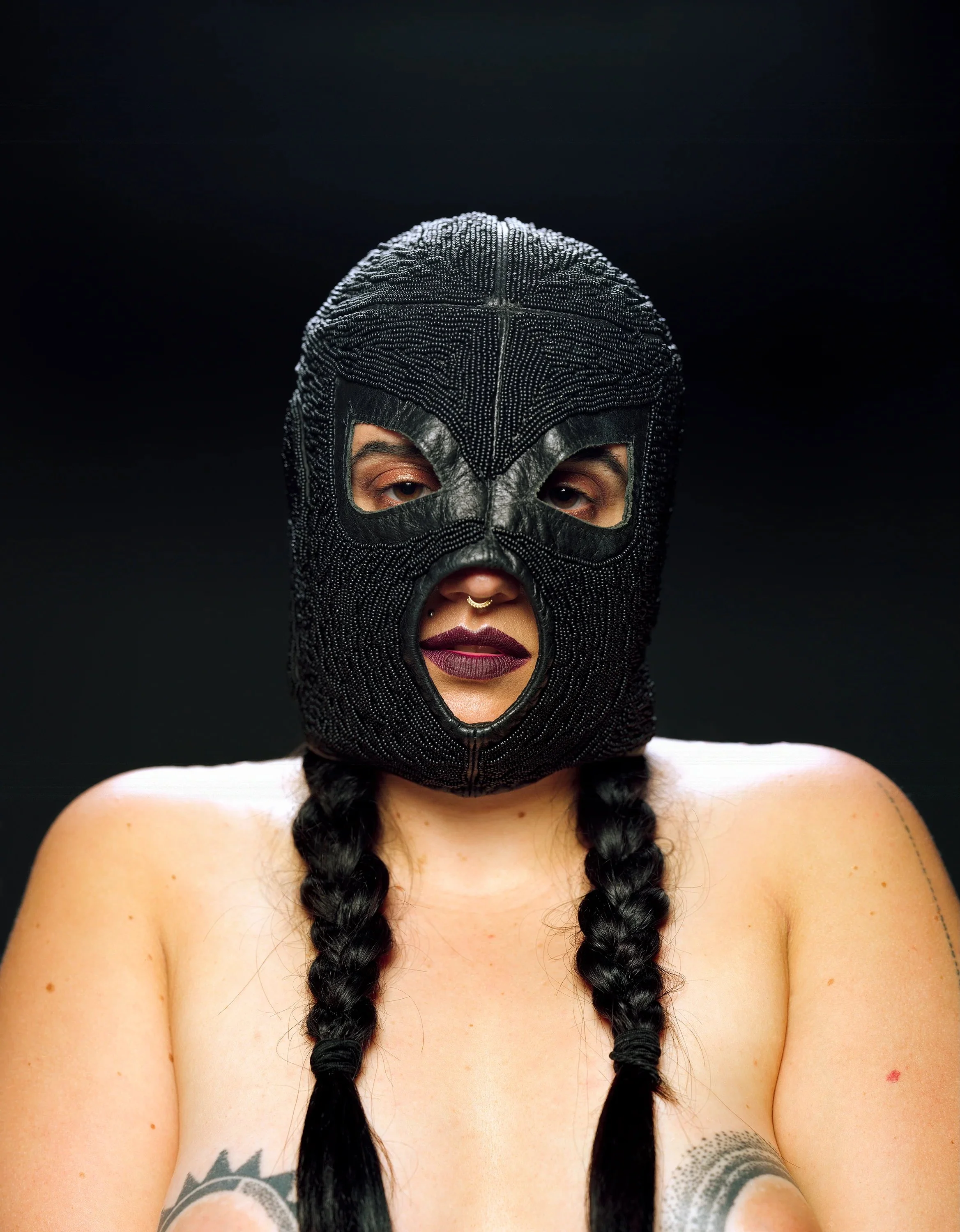
The Oppositional Gaze and the Undoing of Colonial Optics: Dayna Danger and Nona Faustine
By weaponizing self-portraiture and opacity, Dayna Danger and Nona Faustine turn the camera back on colonial power, transforming the image into a site of refusal, resistance, and self-authorship.
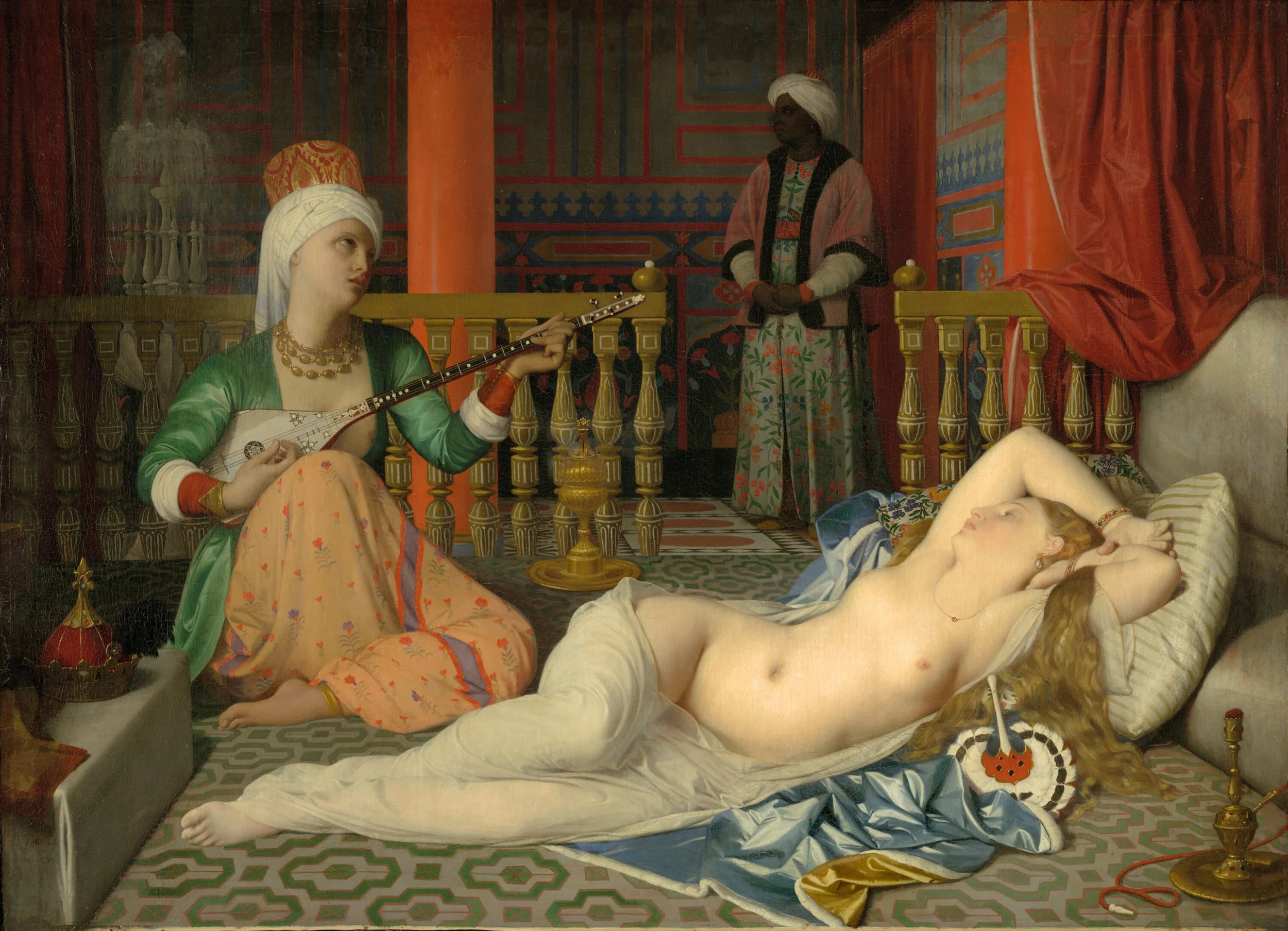
The Skin of the Orient: Representation of the “Oriental Woman” in Jean-Auguste Dominique Ingres’ Odalisque, Enslaved Woman, and Eunuch
Transforming textiles into a second skin for the "Oriental" woman, Jean-Auguste-Dominique Ingres’s Odalisque, Enslaved Woman, and Eunuch epitomizes nineteenth-century French Orientalist ideologies, both exoticizing and eroticizing her.

“Ephemeral” Art with Lasting Impact: Pat McGuire’s Untitled Drawing in Understanding “Canada” through Art
Transforming a mere scrap of hotel paper into a striking commentary, Pat McGuire's drawing boldly challenges perceptions of Indigenous identity and resilience in the colonial landscape of 1960s Canada.

Agnes Martin, Robert Rauschenberg, and the Undefinable Self: The Use of the Viewer in Constructions of the Queer Self through Zen Worldviews
Reading the works of Agnes Martin and Robert Rauschenberg through the lens of queer identity, Zen Buddhist thinking and practice was tied to the visual language of queer artists during the mid-20th century in New York.

“The House with the Ocean View”: Isolation as a Means of Resistance in the Work of Marina Abramović
Isolation can be a powerful tool to establish profound relationships and to promote solidarity. In a postmodern, technology-obsessed world, it also becomes a way to challenge a superficially connected landscape.
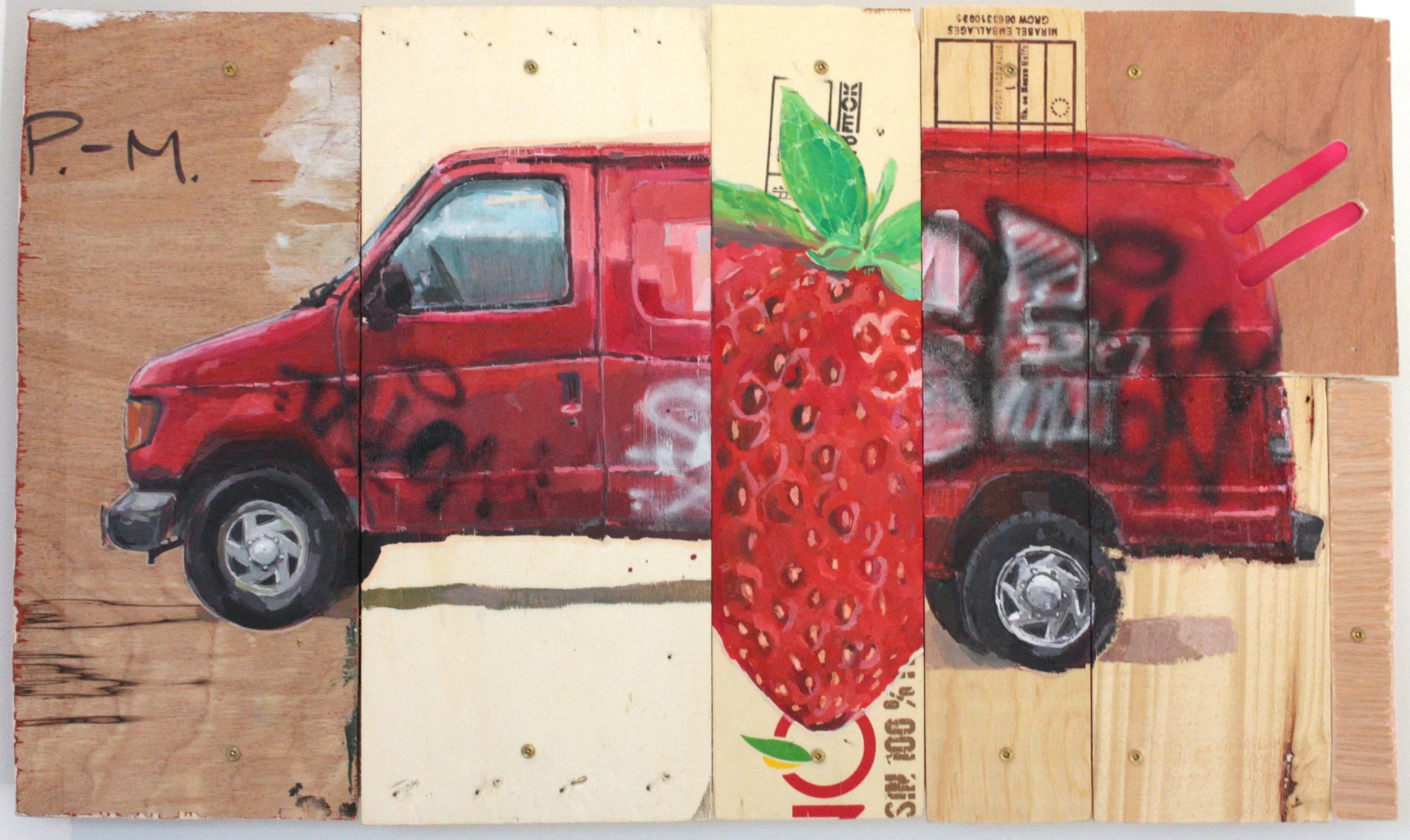
Timoh Garcia’s Reimagined Waste: “Art et Écologie” and the power of creative sustainability through street art
Montréal-based street artist Timoh Garcia transforms waste into a powerful ecological critique. Former L’Original intern Anne-Lise Mocanu gives us the scoop on how.