
Radical Humanism: Velázquez’s Representations of Dwarfs in Philip IV’s Court
Written by Amelia Tai, McGill University
Edited by Anna Robinson
Introduction
The Spanish Royal Court was renowned for its tradition of employing court dwarfs, a practice that flourished during the sixteenth and seventeenth centuries. Most famous among these are the dwarfs at the court of Philip IV, largely due to their masterful portraits by court painter Diego Velázquez. These works not only immortalized their subjects but continue to evoke fascination to this day, prompting extensive critical analysis and contemporary reinterpretations by art historians such as Keith Broadfoot and Maximilian Derksen. Their enduring relevance is unsurprising, given Velázquez’s radically humanistic approach to depicting these individuals, who occupied a paradoxically privileged yet marginalized position within the court.
Diego Velázquez, the preeminent artist of the Spanish Golden Age, demonstrated a remarkable talent for capturing both the physical likeness and the inner essence of his subjects. Among his most compelling works are his three portraits of court dwarfs, originally displayed in the Torre de la Parada, a royal hunting lodge nestled in the hills of El Pardo, and today exhibited at the Museo del Prado in Madrid.[1] These portraits—depicting Sebastián de Morra, Don Diego de Acedo and Francisco Lezcano—are far more than mere exercises in representation. They challenge the viewer to confront themes of marginalization, individuality, and the complex dynamics of courtly life. By depicting his subjects in portraits, Velázquez elevates them to the dignity and gravitas typically reserved for nobility. He thus subverts traditional hierarchies of power and beauty, offering a profound commentary on the humanity of those relegated to the periphery of society and margins of the canvas. Through the lens of iconographic analysis, disability studies, and portrait theory, this essay will explore the artistic brilliance and cultural significance of these works, examining how Velázquez's techniques and empathetic vision imbued these three marginalized figures with dignity.
In the court of Philip IV and the Torre de la Parada
Perhaps no other royal court fostered as deep an emotional connection between a monarch and his dwarf attendants as the court of Philip IV of Spain. Within Philip's entourage, approximately 110 retainers were dwarfs, and Diego Velázquez immortalized at least ten of them throughout his time as painter to the king.[2] Court dwarfs were a regular, widespread, and highly fashionable feature within European courts, primarily during the Renaissance and Baroque periods; they served to entertain the king, and their comments on court affairs were made with a familiarity and freedom that approached impertinence. [3] The Spanish court was known for its stifling formality and austere domestic rituals. Philip IV’s biographer, John H. Elliott, described the king as a “prisoner of ceremony.”[4] The immense weight placed on Philip IV's personal favor necessarily lent itself to a wariness in forming ordinary human connections. Due to the marginalized positionality of the dwarfs, he could lavish attention on them without provoking the envy of his courtiers. The harsh reality remained, as historian Dale Brown has observed, “a dwarf’s life was irrelevant.”[5]
Before Velázquez, court artists depicted dwarfs with a cold detachment in line with the prevailing attitudes of the sixteenth and seventeenth centuries toward physical disabilities.[6] These earlier portraits rarely granted dwarfs autonomy or individuality, instead depicting them as foils to accentuate the majesty and beauty of their royal patrons in contrast to the perceived imperfections of the dwarfs’ physiques.[7] Often positioned alongside monarchs or nobles, they were subjected to patronizing gestures, such as a hand resting on the dwarf’s head, symbolizing a blend of superiority, control, and a distorted sense of affection. This condescending pose is best exemplified by Villandrando’s portrait of Prince Philip and Miguel Soplillo (Fig. 1). These archetypal representations serve as a testament to the complex attitudes of monarchs toward their dwarfs, oscillating between compassion and assertions of dominance.[8]
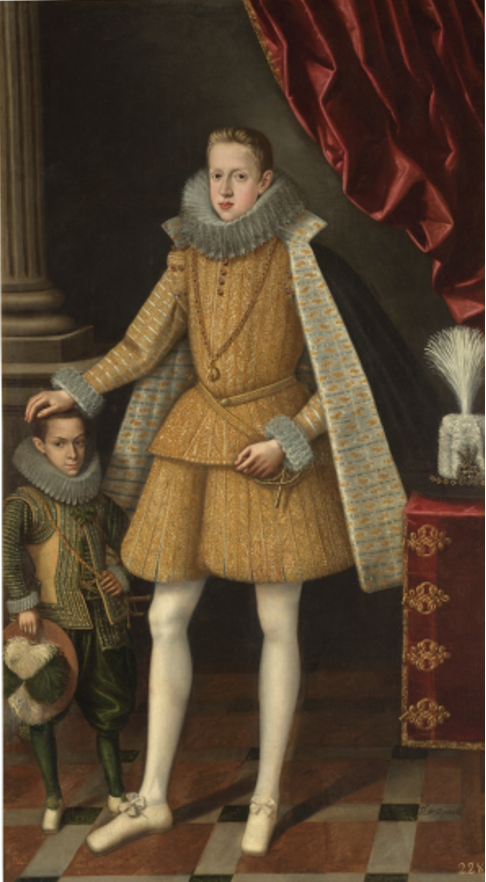
Figure 1. Rodrigo de Villandrando, Prince Philip and Miguel Soplillo, c. 1620. Oil on canvas. Museo del Prado, Madrid.
Since dwarfs played integral subservient roles within Spanish courtly life, they were frequently depicted as loyal retainers or relegated to the background as mere accessories to the royal persona.[9] This derisive attitude extended beyond visual art and permeated the literature of the period. The early seventeenth-century lexicographer and emblematist Sebastián de Covarrubias states with sober disdain: “The dwarf has much that is monstrous. They are… a nauseating thing and abominable to any man of intelligence,” concluding that it is “natural” to make a mockery of them.[10] Covarrubias’s remarks, laden with value judgments and steeped in the conceits of ridicule, reflect the widespread cultural acceptance of characteristically treating dwarfs with cruel and derisive laughter. While our twenty-first-century perception of these paintings would be more empathetic, reading dignity into Velázquez’s depictions, derogatory interpretations persisted well into the nineteenth century. In 1888, art historian Carl Justi described the portraits as representations of “idiots” and “half-humans,” claiming in such beings “humanity reaches its lowest stage of debasement.”[11] Such scholarly descriptions ultimately serve as a testimony to the cultural biases and attitudes of their time, but remain detached from the actual intents of artists within their historical contexts.
Velázquez’s work marked a significant departure from this tradition, granting his subjects a dignity and humanity that was revolutionary for its time. In painting these marginal figures, he seems to have found a sense of release from the rigid protocols of the Habsburg court. These portraits allowed him to transcend the technical constraints of formal court portraiture, embracing a freer and more expressive style. His approach was radically different, characterized by loose, evocative brushwork that sought greater immediacy and naturalism. This stood in stark contrast to his contemporary, Anthony van Dyck, who portrayed the British royals in an affectedly elegant manner, often posed against theatrical, stage-like landscapes.[12] Velázquez, by contrast, favoured an understated background better suited to the unpretentious setting of the Torre de la Parada hunting lodge, placing his subjects against the tranquil backdrop of the Guadarrama mountain range, with its dusty green oak forests and snow-covered peaks. In one of his hunting portraits, the artist depicts Philip IV dressed in practical attire, accompanied by his favorite hunting dog— an image that aligns with the lodge’s intended purpose and its informal, secluded atmosphere (Fig. 2).
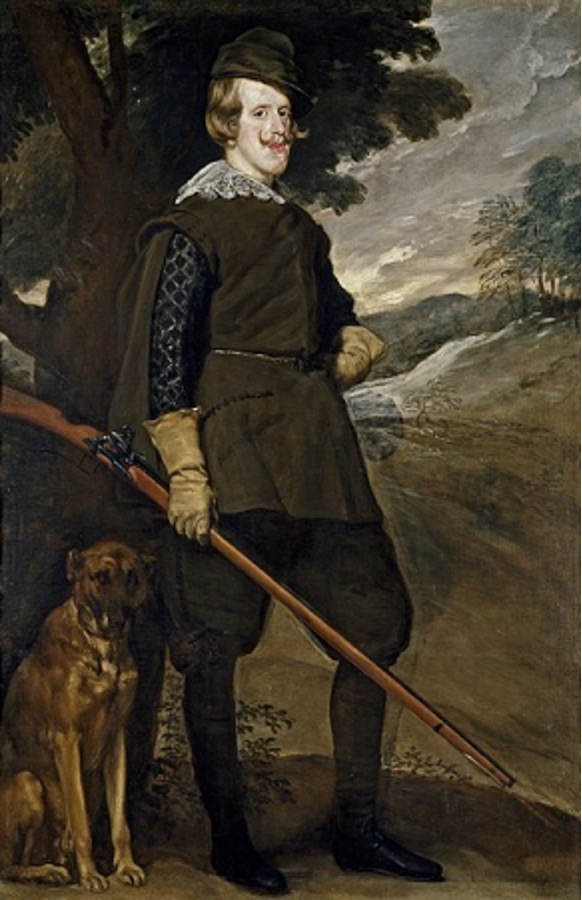
Figure 2. Diego Velázquez, Philip IV as a Hunter, c. 1632-1633. Oil on canvas. Museo del Prado, Madrid.
It is crucial to consider the unique setting of Torre de la Parada when analyzing the works displayed there. The animal and hunting pictures directly reference the building’s function, while the royal portraits and depictions of royal residences adhere to the convention of commemorating a building’s owners.[13] At first glance, Velázquez’s dwarf portraits might appear incongruous within this context and could even be dismissed as unfitting subject matter. However, this would be a grave oversight. Closet-Crane refutes Enriqueta Harris’s claim that the dwarf portraits were out of place among the distinguished philosophers and royalty represented in the Torre de la Parada.[14] Both Closet-Crane and Alpers argue that dwarfs, through their comic social function of mockery and satire, were entirely appropriate to provide visual amusement in the royal pleasure retreat.[15] While the portraits of dwarfs were hung separately from the royal portraits, their connection to the court is unmistakable, as conveyed through their individualized and dignified rendering.[16] Thus, although they are not included in a decorative scheme, they are imbued with greater importance in the Torre.
Alpers further notes that there is no evidence suggesting the dwarfs played a role in the ceremonial Spanish court hunts, despite commonly being included in other European courts.[17]This lack of an official role in the hunt could indicate a personal decision by Philip IV to prioritize the confidant-companion side to the dwarf. In doing so, he commemorates them as individuals with personal significance by including their portraits in this intimate setting.
Dawson Carr highlights that, unlike the grand Buen Retiro Palace—an undertaking dominated by Count-Duke Olivares to showcase the monarchy’s public face—the Torre de la Parada was designed as a private retreat, small, secluded, and uniquely Philip’s own.[18] Perhaps, in his most insular and removed residence, the king could finally be at one with himself. [19]Moreover, Broadfoot notes that Velázquez created these pieces during a time in which the monarchy was in desperate and debilitating decline.[20] In the spring of 1626, Philip IV, "embittered and disillusioned," faced "threats of wars on all sides, overwhelmed by poverty yet inflated with pride." In this state, he may have sought to escape his troubles with the company of poets, painters, courtesans, and the “buffoonery of distorted dwarfs.”[21]
These more personal and intimate depictions of the monarch, alongside Velázquez’s empathetic portrayals of dwarfs, reveal Philip IV’s appreciation for the painter’s innovative artistry—an attitude unheard of in other courts.[22] Perhaps these paintings do not tell us as much about how the artist saw the dwarfs but rather more how King Philip IV saw them: as fellow human beings, worthy of a portrait that displayed their individual uniqueness and shed light on their character.[23]
Portrait Theory, The Gaze, and Velázquez’s Dignifying Representations
Portraits tell stories. They are not merely static icons or the outcome of a productive act, but rather indexes that represent the act of portrayal itself. A portrait encapsulates both the sitter’s and the painter’s self-representation, with the sitter construed as the passive site of revelation.[24] Generally, art historians tend to prioritize the painter’s achievements over the character or individuality of the sitter. In other words, understanding who the sitter was is often considered ancillary to interpreting what the painter sought to achieve.[25] John Berger challenges this traditional focus by developing a theory of posing that emphasizes the style and performance of the sitter as an active participant in the act of portrayal. Rather than centering solely on the painter, Berger encourages us to consider the sitter’s role as a subject, highlighting their agency in shaping the image.
In the context of Velázquez’s works, this shift in perspective invites viewers to explore the constructed nature of the portrait, prompting questions about the authenticity of the represented figure, the dynamics of creation, and the presence of observers. Berger also engages with Lacan’s concept of “The Gaze,” which defines and constitutes us as beings who are observed within the spectacle of the world, internalized through socialization as objects of identificatory desire.[26] This idea is highly relevant to how Velázquez crafts dignifying representations of court dwarfs, challenging traditional notions of objectification and elevating their humanity.
Dignity is not an inherent quality but rather a negotiated relationship resulting from a process of mutual acknowledgment.[27] The act of staring manifests awkward power relations between the starer and the staree, causing both parties discomfort. Paintings, created to be gazed upon, sanction a more intense form of staring while absolving the viewer of the discomfort typically associated with such encounters.[28] Furthermore, images of disability provide a license to stare. As Garland-Thomson points out, staring at a disability choreographs a visual relation between a spectator and a spectacle, giving meaning to impairment by marking it as aberrant.[29]The view on illness and disability offered by Velázquez more than 380 years ago has not lost any of its relevancy and urgency. His gallery of sorrowful figures is examined with an eye that might seem almost merciless were it not for the subtle glow of grave melancholy and tender compassion that suffuses his subjects.[30] Jonathan Brown describes his works as “subtle, haunting, and strangely moving, uncompromisingly realistic but tinged with feeling.”[31] There is not the slightest trace of irony or of an attempt to ridicule the sitter. Due to their “madness” and status as holy fool, they were considered innocent, independent of malice or deceit and thus the only people in the king's entourage who could be trusted to give him an uncensored view of reality.[32] Perhaps in Velázquez’s eyes, the palace dwarfs had obtained a noble status because they had acquired the intellectual freedom of philosophers, poets, and writers. In his portraits of Sebastián de Morra, Don Diego de Acedo, and Francisco Lezcano, Velázquez confers dignity upon these individuals through several powerful techniques: positioning them at eye level with the viewer, emphasizing their intellect, and evoking profound empathy.

Figure 3. Diego Velázquez, The Buffoon El Primo, c. 1644. Oil on canvas. Museo del Prado, Madrid.
The perspective Velázquez employs in The Buffoon El Primo (1644) establishes an encounter on equal terms, granting the dwarf the ability to stare back and forcing the viewer to actively engage with the subject, effectively reversing the traditional power dynamic (Fig. 3).[33] This privilege to return the gaze is an impetus typically reserved for royal sitters.[34] However, Sebastián de Morra confronts the viewer with an impudence uniquely afforded to jesters and dwarfs, whose liminal social status placed them simultaneously within and outside the court’s rigid hierarchy. His intense expression commands the viewer’s attention, locking us with his piercing, angry gaze. His tightly clenched fists are pressed forcefully into his thighs, their white knuckled tension reflecting a palpable frustration. The somber rigidity of his body language conveys the weight of his impairment, which not only limits his physical autonomy but also renders him a spectacle. Unlike the typical portrayal of a court entertainer, his inactivity becomes a silent yet powerful protest against his position in court and society. Refusing to conform to expectations of asinine buffoonery, he challenges the feudal order with his defiant presence and deeply anguished questioning.[35] His serious demeanor underscores his active struggle for recognition as a human being worthy of dignity and respect. His attire features the variegated colour-blocking characteristic of typical jester costumes. The rich red, gold-embroidered cloak and wide lace collar over the tailored green doublet reflect his relatively privileged position at court as buffoon to Prince Balthasar Carlos.[36] His dignified posture exudes a touch of nobility, which explains why the Academia de San Fernando, the painting's custodian from 1816 to 1827, mistakenly identified it as a portrait of the Marquis de Pescara.[37] De Morra appears to exist in a vacuum, with the background rendered as an abstract, unidentifiable space. Closet-Crane interprets this setting as resembling the interior of a hermit’s cave, evoking an intensely emotional and psychologically charged realm.[38] In the absence of a personal statement by de Morra or an explanation from Velázquez regarding his artistic intent, viewers are left with the freedom to project their own interpretations onto the portrait.[39] As Harry Berger Jr. observes, the individual who poses for a portrait becomes a "dead image," serving primarily as a quasi-anonymous bearer of allegorical, dynastic, or narrative meanings.[40] This dynamic applies to Velazquez’s other dwarf portraits as well.
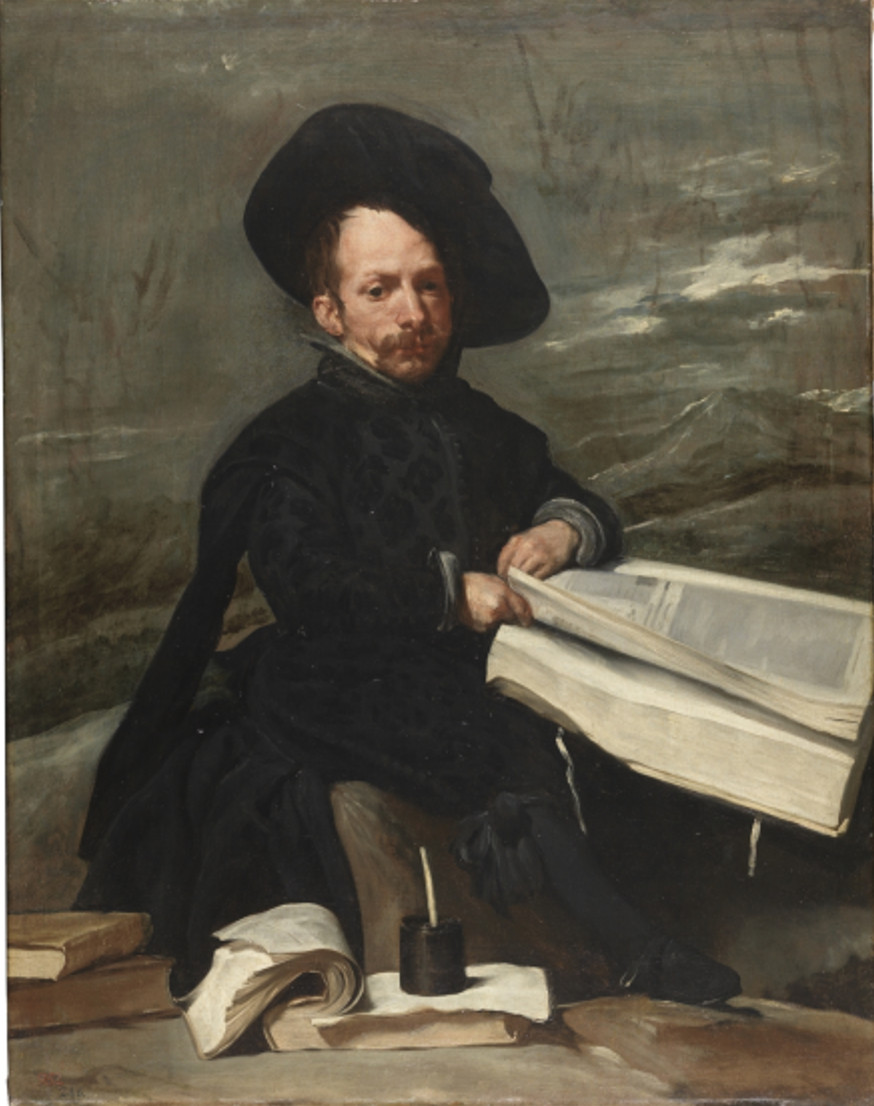
Figure 4. Diego Velázquez, Buffoon with Books, c. 1640. Oil on canvas. Museo del Prado, Madrid.
The mode of representation Velázquez chose for Buffoon with Books (1640) allows for a personal encounter and an insight into Don Diego de Acedo’s role as the King’s undersecretary and keeper of the seal, which far exceeds that of a simple buffoon (Fig. 4).[41] He is dressed in a sober black outfit befitting a gentleman, with his hat signifying an elevated status. Moreno Villa notes that an elaborate costume was crafted for de Acedo so that he could serve as an elegant courrier, which is corroborated by the file of the Tailors and Particular Accounts records.[42] This shifts the focus from his stature to his occupation, distinguishing him from conventional dwarf portraits. Unlike de Morra’s confrontational stare of protest, de Acedo “simply looks back, as if momentarily interrupted from his work.”[43] His stern gaze, high forehead, and composed demeanor convey an undeniable intelligence. He appears to be in control of this natural environment. His severe, impenetrable expression lends him an air of gravitas. His diminutive proportion, by effect, is measured by the size of the tome. The surrounding objects—the book, inkwell, and pens—function not only as proportioning devices but also signify Diego de Acedo’s social standing and intellectual capacities. The inventory reference to the portrait of Don Diego de Acedo lists the title as a buffoon dressed as a philosopher, which is corroborated and expanded upon in Closet-Crane’s iconographic analysis of the surrounding objects. The books act as a visual metaphor that alludes to the iconography of St. Jerome and to classical portraits of philosophers.[44] While the inkwell may straightforwardly reference scholarly pursuits, it could also hint at another facet of de Acedo’s life: his reputation as a notorious ladies’ man, including a rumored affair with a courtier’s wife. Wind interprets the pen in the inkwell as a metaphor with libidinous undertones, imbuing it with a highly charged sexual significance.[45]
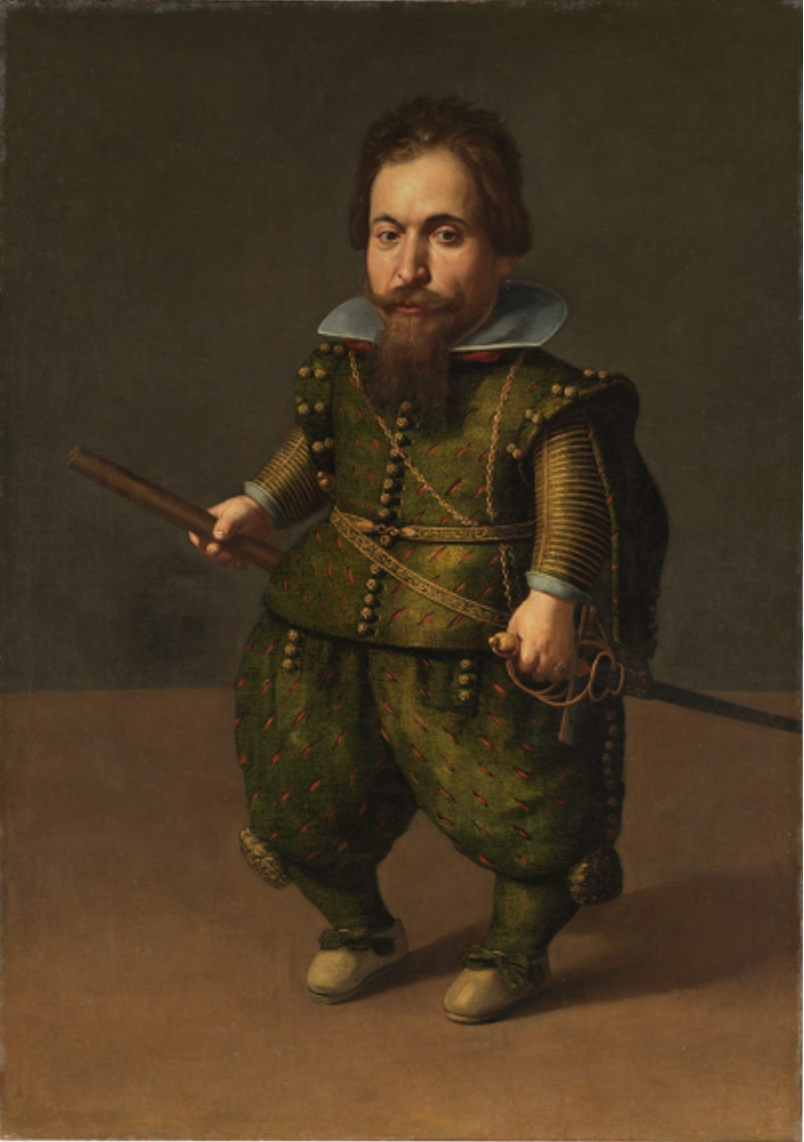
Figure 5. Juan van der Hamen, Portrait of Buffoon, c. 1626. Oil on canvas. Museo del Prado, Madrid
Art historians Barry Wind and Keith Broadfoot argue that irony undermines the portraits of Sebastián de Morra and Diego de Acedo. Wind links de Morra’s portrait to the comic trope of the militant dwarf, drawing comparisons to Juan van der Hamen’s Portrait of Buffoon (Fig. 5). He identifies both as embodying “sham bravado,” contrasting the depicted strength with actual physical limitations, thus representing an inverted world.[46] Similarly, Broadfoot points out a mismatch between the pretensions of de Acedo’s dignified pose and the supposed insignificance of his role, suggesting an ironic paradox designed to provoke laughter and ridicule.[47] The notion of an ironic note to the portraits, however, can be contested. The idea of their portrayal as mere objects of ridicule is challenged by the calm and introspective expressions of both de Morra and de Acedo, which suggest self-awareness and pride. Velázquez’s deliberate choice to grant them dignity through detailed and respectful depictions indicates reverence rather than derision. What Wind and Broadfoot interpret as ironic “mismatches” may instead reflect a deliberate tension, showcasing the duality of their existence—dwarfs marginalized by their physical difference, yet intellectually and socially valuable. This juxtaposition does not undercut their dignity but rather underscores their complexity, celebrating their ability to transcend societal expectations. Furthermore, the dwarf’s physical form, which historically marked them as outside the natural order and civilized culture, is validated in these portraits. Velázquez does not attempt to integrate them into the dominant social structure but instead affirms their value within and beyond its margins.[48]
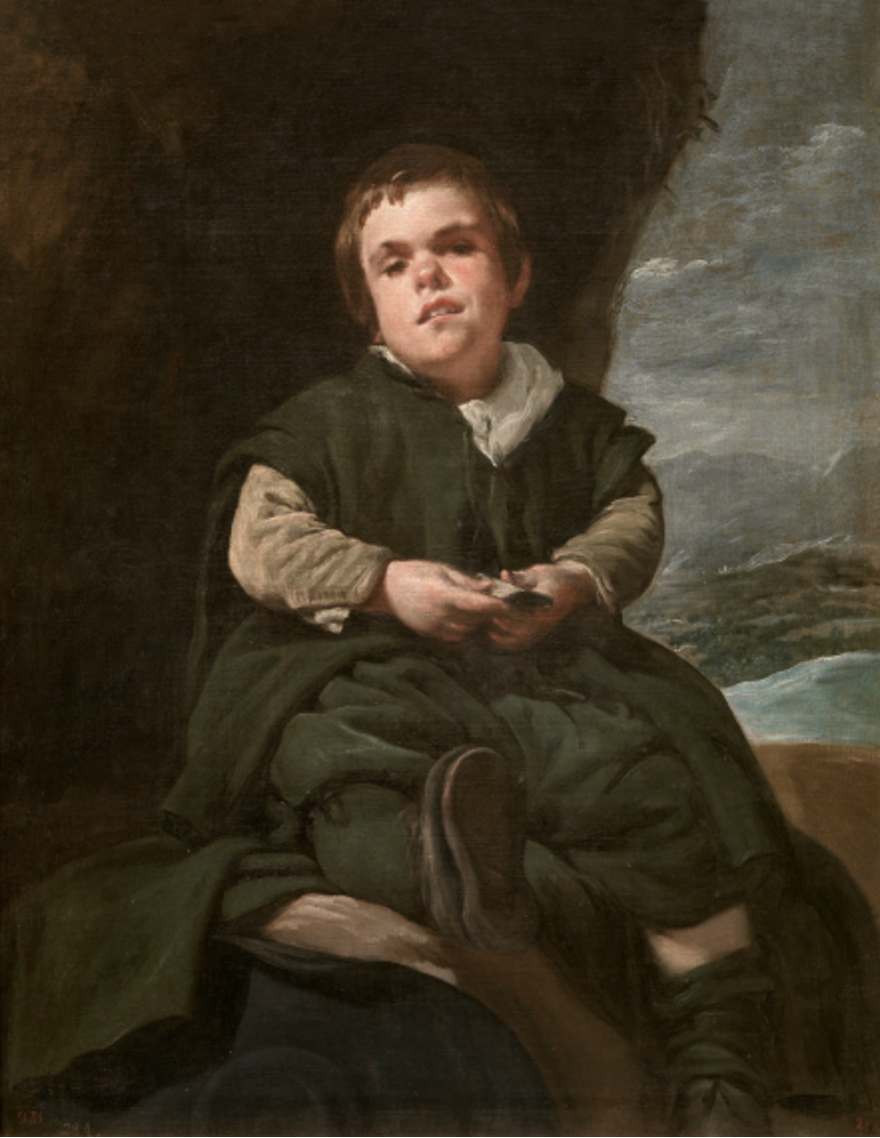
Figure 6. Diego Velázquez, The Boy from Vallecas (Francisco Lezcano), c. 1635-1645. Oil on canvas. Museo del Prado, Madrid.
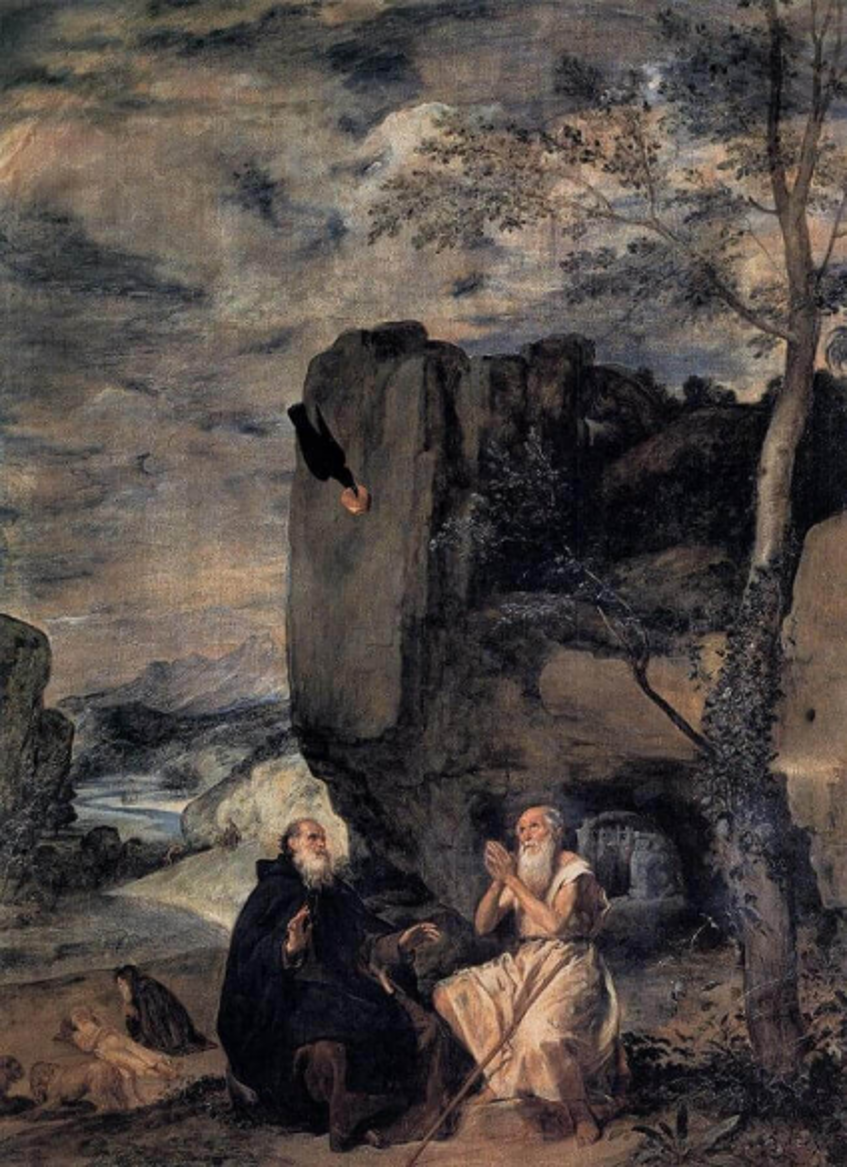
Figure 7. Diego Velázquez, St Anthony Abbot and St Paul the Hermit, c. 1635. Oil on Canvas. Museo del Prado, Madrid.
The assumption of a dignified representation extends even to Velázquez’s portrait of Francisco Lezcano. The Boy from Vallecas (1635–1645) depicts the dwarf in a slightly elevated position relative to the viewer, compelling the audience to look up at him (Fig. 6). One eye meets our gaze while the other appears to wander, and his mouth hangs slightly open in a slack-jawed, absent-minded grimace. His expression, tinged with melancholy, and relaxed posture suggest a lack of full control over his faculties. Despite Lezcano’s apparent physical and intellectual impairments, there is no suggestion of mockery or derision in the artist’s portrayal.[49] His right leg is extended straight ahead, revealing his deformity; he wears clumsy shoes, and his stocking has slipped down around his left ankle to expose his bare leg. The costume, which is certainly not a beggar’s, has a disheveled appearance in keeping with the disordered mind of the dwarf-fool.[50] There is some debate regarding the object he holds in his hand, though the prevailing consensus identifies it as a deck of cards—a seemingly mindless activity that enlivens the pose and creates a psychological atmosphere.[51] This interpretation is supported by Wind, who links the deck of cards to folly, drawing from Spanish proverbs. Wind further suggests that Velázquez may have been influenced by a precedent set in Moro’s portrait of Pejerón, where the buffoon’s serious mien is juxtaposed with the cards as an attribute of folly.[52] Closet-Crane argues that the background featuring a rock overhang acts as a visual metaphor for the hermit’s cave, a reading further supported by the fact that Lezcano’s composition follows similar iconographic rules to Velázquez’s Saint Anthony Abbot and Saint Paul the Hermit (1635), which hung in the Buen Retiro (Fig. 7).[53] A conceptual link can thus be drawn between these early christian ascetics, whose mission was to rebuke rulers and public officials through their privileged access to free speech, and the dwarf Lezcano, who, though not rejecting society or its established order like the ascetics, enjoyed a similar privilege. His physical deformity granted him the freedom to speak and entertain the court, positioning him within a space that allowed for unfiltered expression despite his marginalized status.
Despite Lezcano’s unconventional appearance, he is painted with notable sympathy. Velázquez’s deliberate choice of a lifelike mode of representation provides a glimpse into his sitter’s internal state, inviting viewers to empathize with the subject and recognize his intrinsic worth as a fellow human being. Camón Aznar highlights that these portraits are rendered with remarkable emotional acuity, appealing to the viewer’s sympathy. The artist’s empathetic approach may also reflect his Catholic compasio, emphasizing compassion and human dignity.[54] In his naturalistic portrayal, Velázquez painted “the truth” without embellishments.[55]
Conclusion
Velázquez’s three portraits of dwarfs painted at Philip IV’s court represent a radical departure from the artistic norms of his time, challenging the prevailing historical view of the dwarf and court fool. They are remarkable because he did not portray the dwarfs as human attractions or grotesque entertainers but as individuals with distinctive personalities. He employs various techniques in his portraits to bestow upon his subjects a humanistic dignity: positioning them at eye level with the viewer, highlighting their intellect, and evoking a deep sense of empathy.
Furthermore, Velázquez does not merely affirm their humanity; he symbolically elevates them above their contemporaries at court by drawing visual connections to the philosophical tradition of the Greek cynics. Without his portraits, we would not have such a clear understanding of the character of these relationships or the unique qualities of these individuals, who had become so significant to the king.
Endnotes
[1] The inclusion of the three portraits in the Torre is confirmed by a 1700 inventory. Alpers, Svetlana. Corpus Rubenianum Ludwig Burchard: An Illustrated Catalogue Raisonné of the Work of Peter Paul Rubens Based on the Material Assembled by the Late Ludwig Burchard in Twenty-six Parts. Volume IX: “The decoration of the Torre de la Parada" (New York: Phaidon, 1971), 129.
[2] Adelson, Betty, The Lives of Dwarfs: Their Journey from Public Curiosity Toward Social Liberation (Rutgers University Press, 2005), 149.
[3] Sanchez, Alfonso E.P. Velázquez (The Metropolitan Museum of Art, 1989), 42.
[4] Adelson, The Lives of Dwarfs, 13.
[5] Brown, Dale, The World of Velázquez: 1599-1660 (Time-Life, 1969), 120.
[6] Adelson, The Lives of Dwarfs, 150.
[7] Derksen, Maximilian, “Induction and Reception of Dignity in Diego Velázquez’s Portraits of Court Dwarfs,” Journal of Literary & Cultural Disability Studies, 14, no. 2 (2020): 188.
[8] Tietze-Conrat, Erika, Dwarfs and Jesters in Art: with 90 illustrations (London: Phaidon Press, 1957), 31.
[9] Wind, Barry, “Spain and the ‘hombre de placer,” in A foul and pestilent congregation': images of 'freaks' in Baroque art (Routledge, 1998), 89.
[10] Covarrubias, Sebastián D, Tesoro de la lengua castellana o española (1611), 511.
[11] Justi, Carl, Augustus H. Keane, Diego Velázquez and his times. (H. Grevel & co, 1889), 449.
[12] Sanchez, Velázquez, 39.
[13] Alpers, Decoration of the Torre, 107.
[14] Closet-Crane, Catherine, “Dwarfs as Seventeenth-Century Cynics at the Court of Philip IV of Spain: A Study of Velásquez’ Portraits of Palace Dwarfs,” Atenea, 25.1 (Jun. 2005): 163.
[15] Closet-Crane, “Dwarf as Seventeenth-Century Cynics”, 163. Alpers, Decoration of the Torre, 130.
[16] Alpers, Decoration of the Torre, 108, 130.
[17] Alpers, Decoration of the Torre, 130.
[18] Carr, Dawson, "Velázquez and the Hunt," in Velázquez, 1st ed. National Gallery, 2006.
[19] Broadfoot, Keith, “Velázquez’s Dwarfs and the Modern Uncanny,” Angelaki 21, no. 2, (2016): 34–35. doi:10.1080/0969725X.2016.1182722.
[20] Broadfoot, “Velázquez’s Dwarfs Modern Uncanny,” 40.
[21] Hume, Martin A, The Court of Philip IV: Spain in Decadence (London: Eveleigh Nash, 1907), 171.
[22] Gallego, Velázquez, 161.
[23] Derksen, “Dignity Velázquez’s Court Dwarfs,” 198-199.
[24] Berger, Harry, Fictions of the Pose: Rembrandt Against the Italian Renaissance (Stanford University Press, 2000), 87-88.
[25] Berger, Fictions of the Pose, 94.
[26] Berger. Fictions of the Pose, 95.
[27] Derksen, “Dignity Velazquez’s Court Dwarfs,” 191.
[28] Derksen, “Dignity Velazquez’s Court Dwarfs,” 192.
[29] Snyder, Sharon L., Brenda J. Brueggemann, and Rosemarie Garland-Thomson, "The Politics of Staring: Visual Rhetorics of Disability in Popular Photography," in Disability Studies: Enabling the Humanities (Modern Language Association, 2002), 56, 57.
[30] Sanchez, Velázquez, 42-43.
[31] Wind, “Spain hombre de placer,” 67.
[32] Derksen, “Dignity Velazquez’s Court Dwarfs”, 194. Closet-Crane. “Dwarf as Seventeenth-Century Cynics,” 163.
[33] Derksen, “Dignity Velázquez’s Court Dwarfs,” 192.
[34] Derksen, “Dignity Velázquez’s Court Dwarfs,” 192
[35] Derksen, “Dignity Velázquez’s Court Dwarfs,” 189.
[36] Closet-Crane, “Dwarf as Seventeenth-Century Cynics,” 159.
[37] Gallego, Velázquez, 197.
[38] Closet-Crane, “Dwarf as Seventeenth-Century Cynics,” 159, 160.
[39] Adelson, The Lives of Dwarfs, 150.
[40] Berger, Fictions of the Pose, 100.
[41] Closet-Crane, “Dwarf as Seventeenth-Century Cynics,” 158.
[42] Wind, “Spain hombre de placer,” 82.
[43] Derksen, “Dignity Velazquez’s Court Dwarfs,” 192.
[44] Closet-Crane, “Dwarf as Seventeenth-Century Cynics,” 158.
[45] Wind, “Spain hombre de placer,” 85.
[46] Wind, “Spain hombre de placer,” 85.
[47] Broadfoot, “Velázquez’s Dwarfs Modern Uncanny,” 41.
[48] Derksen, “Dignity Velázquez’s Court Dwarfs,” 191.
[49] Derksen, “Dignity Velázquez’s Court Dwarfs,” 196.
[50] Gallego, Velázquez, 221.
[51] Gallego, Velázquez, 222.
[52] Wind, “Spain hombre de placer,” 82.
[53] Closet-Crane, “Dwarf as Seventeenth-Century Cynics,” 157.
[54] Wind, “Spain hombre de placer,” 67.
[55] Closet-Crane, “Dwarf as Seventeenth-Century Cynics,” 162.