

Revitalizing the Records: Examining the Photographic Work of Shelley Niro and Jeffrey Thomas
Mohawk photographer Shelley Niro and urban Iroquois photographer Jeffrey Thomas reclaim photographic authority to unsettle and repurpose the colonial archive and its myths.

Bridging Social Divides Through Death: Nicolas Lachance’s Danse macabre (édition Heidelberg, 1488)
Danse macabre (édition Heidelberg, 1488) emphasizes the innate ties between human individuals and attempts to bridge social divides in an institution which has historically promoted these exact class divisions and social hierarchies—an act which may be consequently understood as a demand for social change in contemporary society.
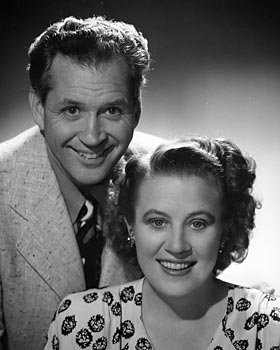
Laughing Through World War II: How the American Government and Radio Executives Imperceptibly Infused Propaganda into Entertainment Shows
The OWI took advantage of the popularity of comedy shows to explain government goals in simple terms and encourage Americans to make sacrifices for the war effort.
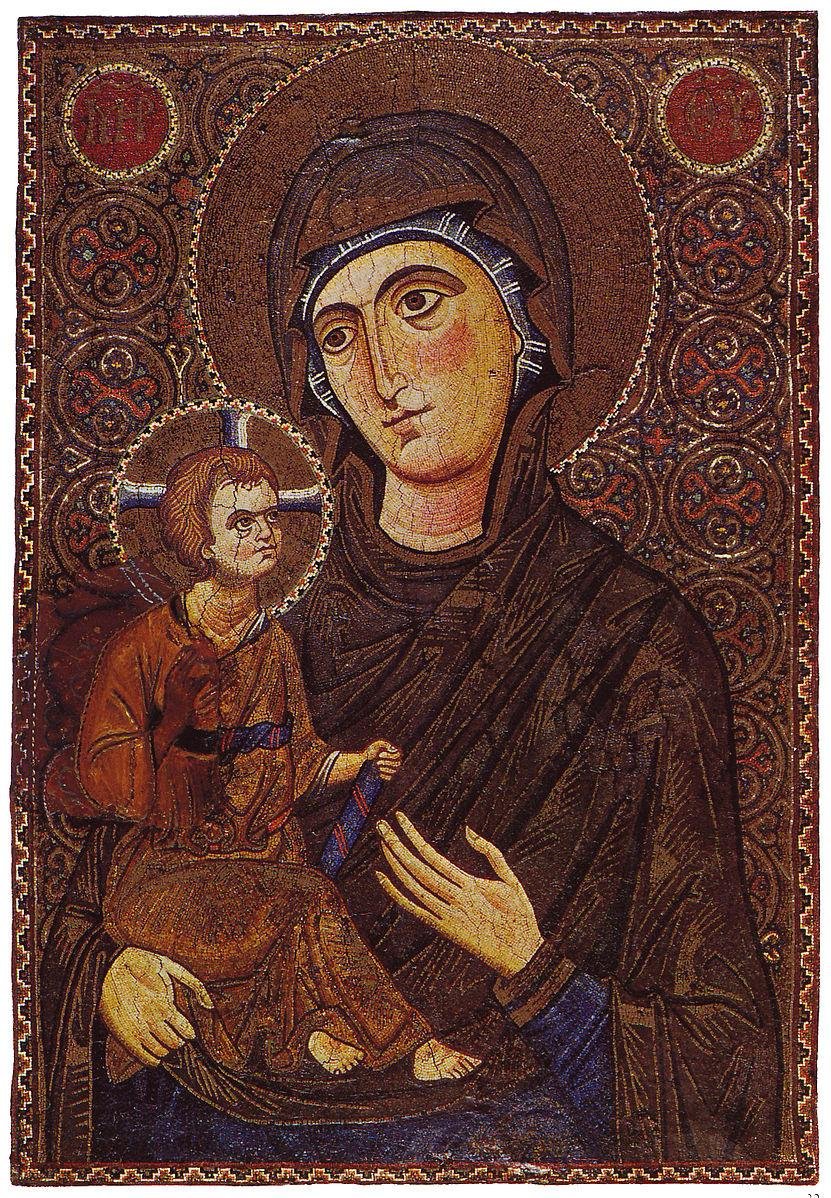
Universality & Malleability: Icons of the Virgin at Saint Catherine’s Monastery
The Virgin may be understood as the quintessential figure of both iconographic universality and malleability—allowing for the simultaneous creation of a shared identity across the Byzantine Empire and of unique particularities relevant to specific sacred sites.

The Piercing Punctum of Radioactive Photographs
Lily-Cannelle Mathieu argues that radioactive photographs have the potential to cause affective, embodied responses in beholders by disturbing their bodily integrity, the material frontier of their very being.

Beyond Propaganda: Analyzing Cultural Significance and Artistic Individuality in Central Asian Soviet Mosaics
The art produced in the Soviet peripheries, particularly in Central Asia, provides insights to the complex and nuanced way the Soviet Union embedded itself in local society.
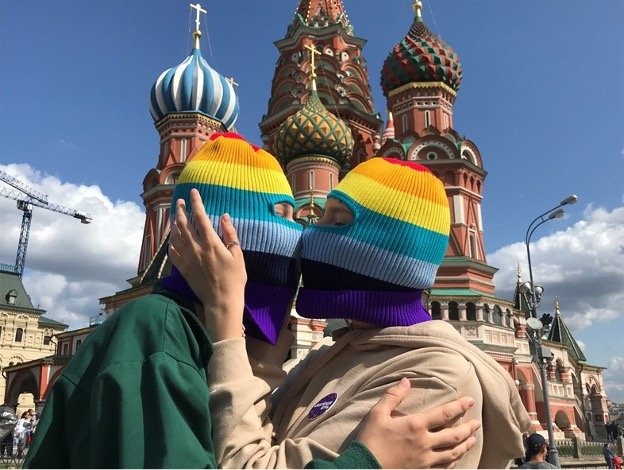
Is This What You Want to See?: New Visibility Strategies in Post-Soviet Queer Art
By showing that post-Soviet culture and queerness are not mutually exclusive, and by playing with the idea of a queer Western ideology, artists have exposed the contradictions surrounding the invisibility-visibility dichotomy imposed by the state.

Feminist Reconfigurations of Space in Judy Chicago
In the heat of second-wave feminism and political revolution, Judy Chicago (born in 1939) played a central role in using art as an expressive tool for social change.

God Is Gay: A New Canon of Christian Iconography in Queer Art
This collection seeks to complicate established narratives surrounding the use of Christian iconography by queer artists and subjects in the contemporary period.

Aldo Rossi: Echoing Life in the Architecture of Death
Like poetry, Rossi’s architecture is crowded with allusions and rhythm. If one only reads the words and not the meaning, then it becomes a one-dimensional, distant and opaque conception. Once consciousness and wisdom penetrate the layers of his creation, the beauty within it will bloom.

To Gift Him Pictures of Divine Sodomy: Ambivalent Homoeroticism in Michelangelo’s Rape of Ganymede
It is possible to argue that Michelangelo’s Rape of Ganymede, gifted to Tommaso de’ Cavalieri, expresses the artist’s ambivalent homoerotic feelings about his love for Tommaso.

Death and its Spectators: L’Âme des Bêtes and the Noble Savage in Oudry’s Hunting Paintings
As viewers we are attracted to a spectacle which is at the same time delicate and morbid, drawing us in by playing upon our nostalgic connection to the perceived beauty of nature and our fascination with witnessing the traumas of others.

Henry Scott Tuke’s Nudes and the Politics of Masculinity
Tuke reinvents the male nude by creating a more truthful sense of masculinity and manages to be provocative through his ambiguous passivity.

Painting as Devotion and Ritual Embodiment in Jin Lying’s Guanyin, 1803
Through art, women developed unique and meaningful ways to connect with and worship the bodhisattva, despite being unable to practice religion in public. Women negotiated their social roles and religious beliefs in their material practices.
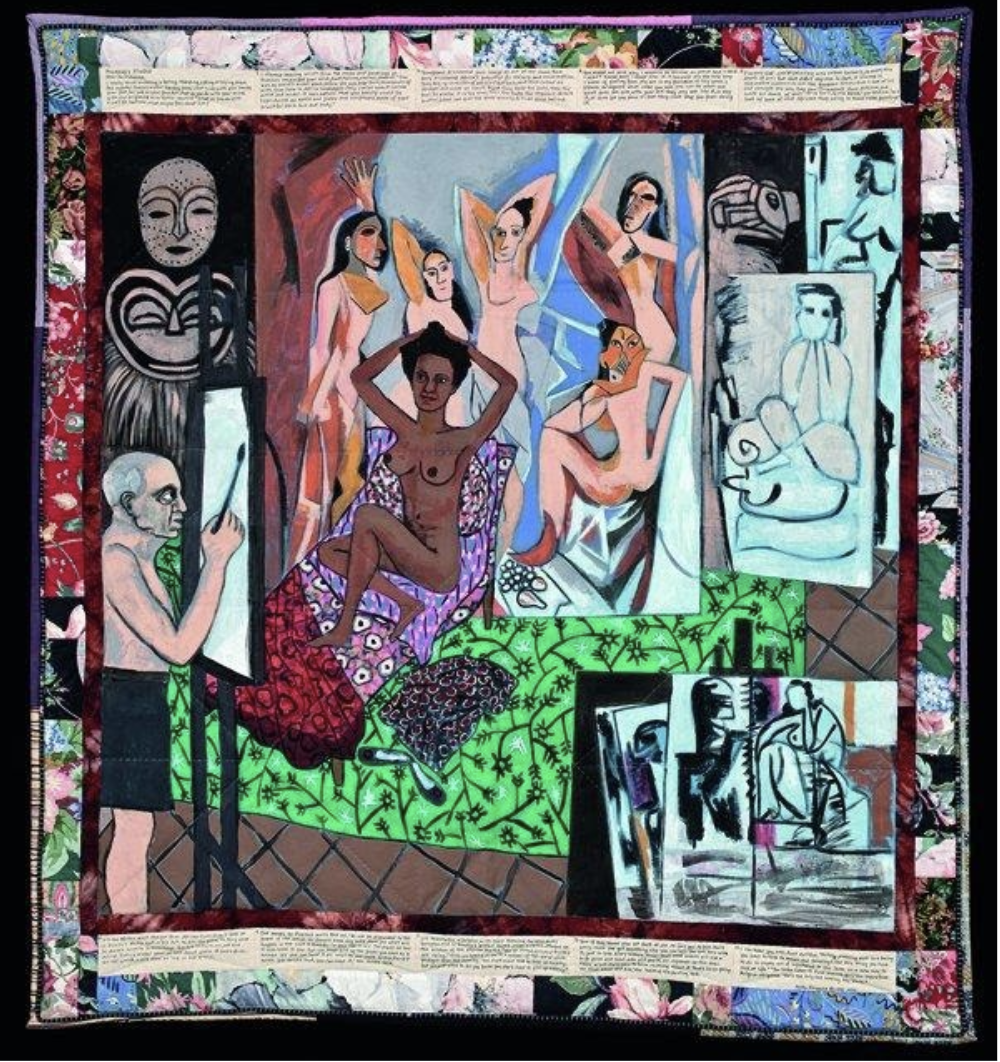
Faith Ringgold and the Recognition of African American Women in Painting and Quilts
Through her story quilts, Faith Ringgold honours the identity of black women and memorializes their contribution to art history as muses and collaborators, which is something that is often not remembered.
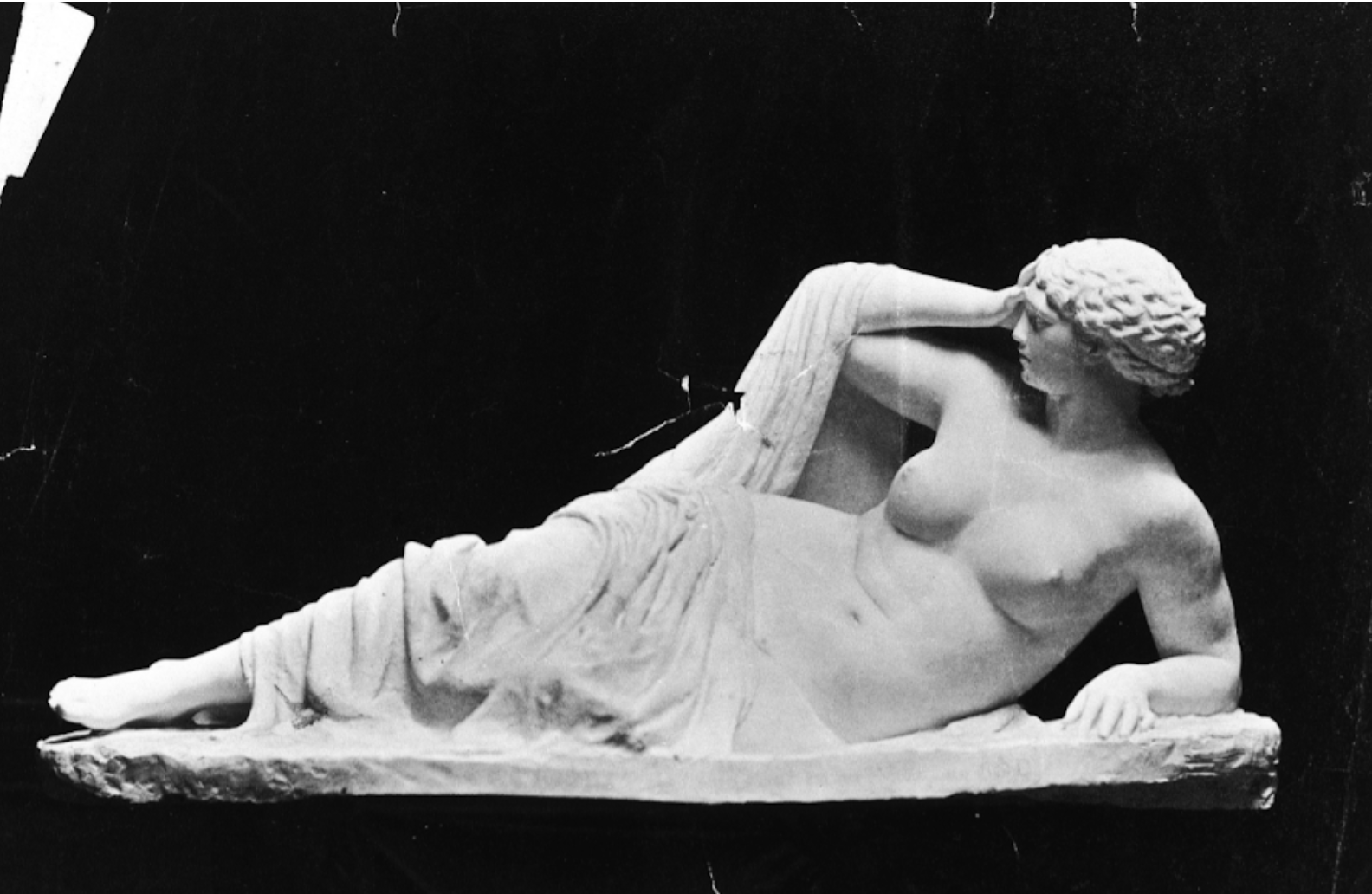
To Make and Destroy: Sculptures of Anne Whitney
[Anne Whitney] depicts contemporary issues that attempt to provide a visual vocabulary for newly emancipated black Americans. In Ethiopia and L’Ouverture, the artist is challenged and restricted by artistic and societal norms. Her frustration with the limits of Victorian society ultimately leads to the destruction of both works that scholars today recover through photographs.
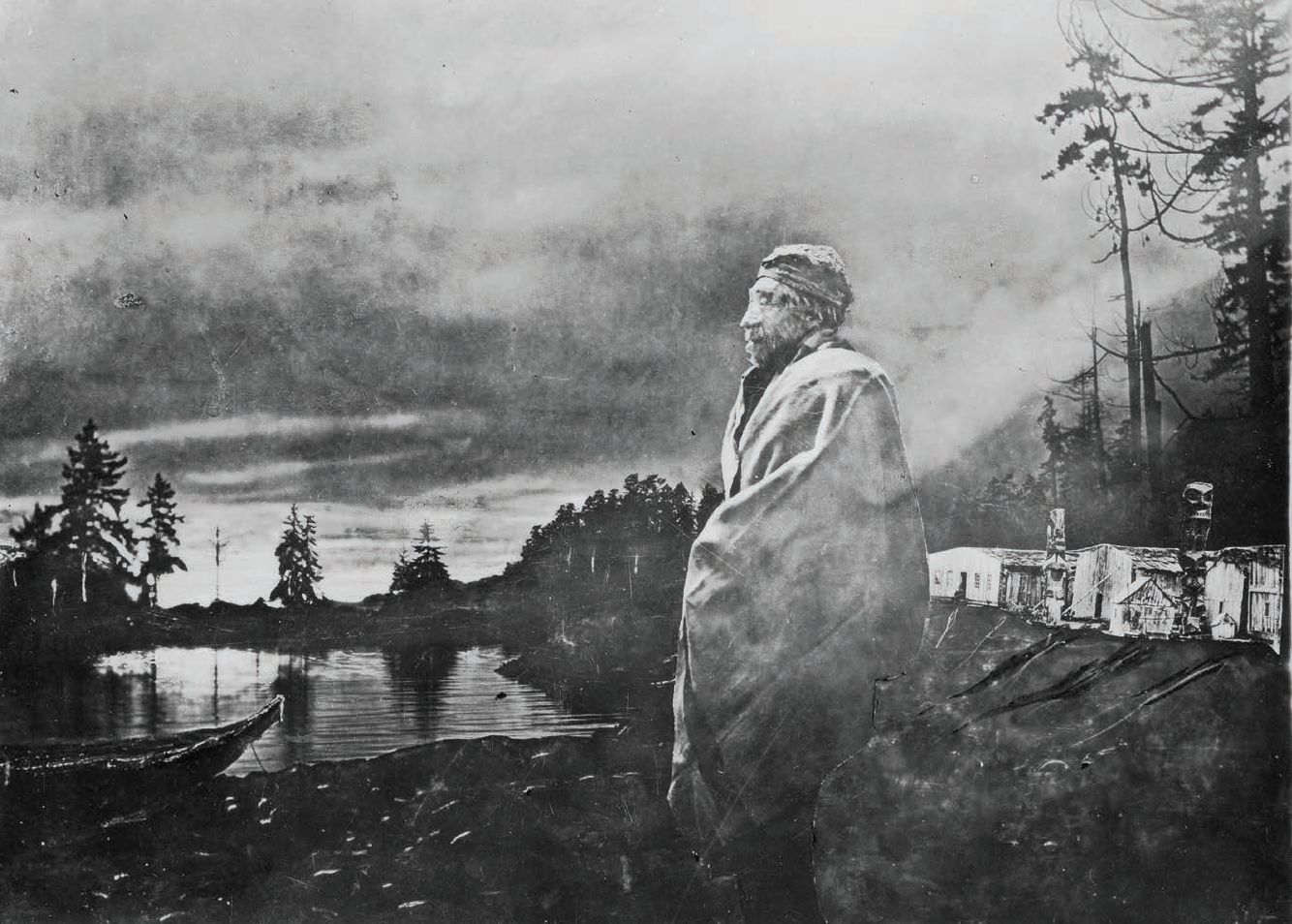
Behind the Lens: Contextualizing Hannah Maynard’s Photography Surrounding Indigenous Peoples
Hannah Maynard’s photographs of Indigenous people in the mid-to-late-19th century reinforce the Noble Savage paradigm, reflect power inequity between photographer and subject, and showcase a lack of understanding of Indigenous culture reflective of the surrounding historical context.