
Reimagining Disability: Visual Culture, Representation, and the Law
Written by Kayla Gaisi, McGill University
Edited by Dahlia Labatte
In 1990, Congress passed the Americans with Disabilities Act (ADA) to “provide a clear and comprehensive national mandate for the elimination of discrimination against individuals with disabilities” in critical areas such as employment, education, and public services.[1] This law culminated decades of advocacy by the disability rights movement, an offshoot of the broader Civil Rights Movement which also launched the gay liberation and women’s movements of the 1960s and 1970s. These developments share a political history and are fundamentally alike because they all deal with matters of the body: how some bodies perceive others, and the power each possesses in society as dictated by the law. Disability, in particular, underlies racist, sexist, and homophobic stereotypes, which can be traced back to bodily deviance or mental deficit meant to signal social inferiority.[2] Endorsed by social hierarchies that privilege the white, able-bodied, heterosexual male, these stereotypes inform bodily representation in medicine, literature, popular media, and visual art, imbuing our culture and consciousness with learned biases against non-normative bodies. Such biases become so deeply ingrained that, when confronted with disabled bodies, immediate negative responses are commonly mistaken as somatic. Not only does this affect social relations, but it implicitly influences the law, helping to explain why legislation as self-evident as the ADA still falls short in protecting the lives of disabled individuals.[3]
Remedying the shortcomings of the law necessitates broad social change, which is the object of disability studies. As this field is inherently interdisciplinary, disability scholars often draw on theories and mediatic examples from various disciplines. Keeping in mind the wide scope of disability studies, this paper focuses on the representation of the disabled body in visual media, specifically exploring its connection to social relations and the law. I examine the arguments put forth by two prominent scholars of disability studies, Rosemarie Garland-Thompson (b. 1946) and Tobin Siebers (1953-2015), paying attention to the methods they employ in their knowledge-making. I begin with Garland-Thomson, whose work emphasizes the reciprocal relationship between disability representation and real-life interactions between disabled and nondisabled individuals, such as the stare. This leads to her larger argument that expanding disability representation, particularly in contemporary art, addresses the gap between representation and reality, ultimately contributing to social justice. While Garland-Thomson adapts humanities scholarship to disability studies, Siebers proposes a new framework specific to disability: disability aesthetics. This method reconsiders the presence of disability in art, highlighting its crucial role in what have been deemed superior works. Returning to the discussion of law, I suggest that art-historical methods informed by disability studies can be powerful in reshaping representation, thereby improving social relations and legislation that significantly impact the disabled community.
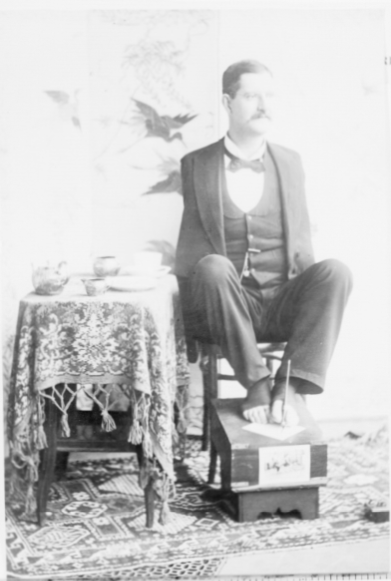
Figure 1. James Ernest Hunt, Charles Tripp, the Armless Man, 1899, photograph, The National Archives UK.
In Extraordinary Bodies: Figuring Disability in American Culture and Literature (1997), a foundational text in the field of disability studies, Rosemarie Garland-Thompon adopts a methodology that draws primarily from cultural studies rather than from aesthetics. This approach not only reflects her academic background—she holds a Ph.D. in English from Brandeis University and is Professor Emeritus of English at Emory University—but also her understanding of disability as a cultural construction. She defines disability as “a representation, a cultural interpretation of physical transformation or configuration, and a comparison of bodies that structures social relations and institutions.”[4] Garland-Thomson views disability representation as political. She locates evidence of this in the language of the ADA, which identifies individuals as legally disabled if they are “regarded as having such an impairment” that “substantially limits one or more major life activities.”[5] This stipulation entails a subjective judgment of bodies, reliant upon cultural conceptions of the normative body. When the conditions of rights and the distribution of resources depend so greatly on representation, the evaluation of such representation and how it structures social relations becomes strikingly important. Thus, Garland-Thomson advocates for a reimagining of the collective representation of disabled bodies in art, as well as in popular media and literature.
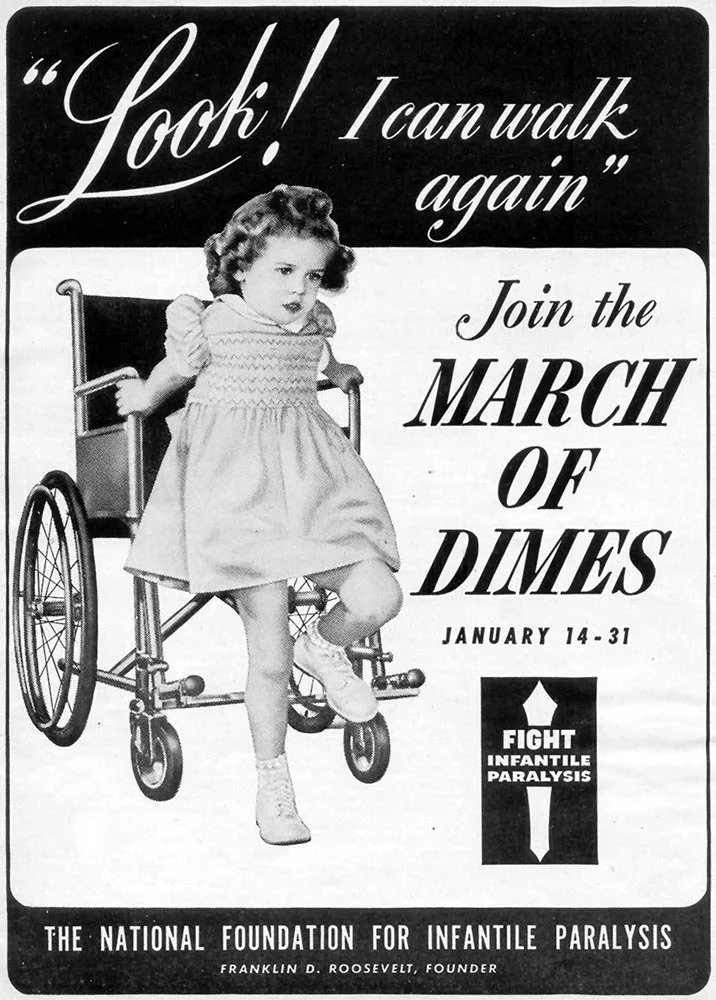
Figure 2. Unknown, “Young girl cured by the March of Dimes springs from her wheelchair”, 1949, poster, March of Dimes Birth Defects Foundation, Arlington, Virginia.
Garland-Thomson begins her discussion of disability representation with the historical example of the freak show, which positions disabled bodies as objects of spectacle entertainment. Inserted between the two parts of her book is a series of 19th-century freak show posters and photographs of performers (Fig.1). Though these media sources are treated illustratively, they contextualize her discussion of late 20th and early 21st-century representations as affording disabled subjects increased agency. In her 2005 essay “Disability and Representation,” she notes the expanding visibility of disabled bodies in popular culture, listing examples like 1995’s Deaf Miss America (referring to Heather Whitestone), the introduction of wheelchair Barbie, and Superman actor Christopher Reeve becoming quadriplegic.[6] A clearer indicator of this shift in representation is gleaned from her juxtaposition of two images: a 1949 March of Dimes poster showing a young girl leaping from her wheelchair beneath the caption “Look! I can walk again” with a 2003 New York Times Magazine cover featuring disability rights activist and lawyer Harriet McBryde Johnson posing confidently in her wheelchair (Fig. 2, 3). Garland-Thomson argues that this “resymbolization,” a term borrowed from theologian and sociologist Nancy Eisland, contributes to social justice by expanding the collective understanding of disability to encompass strength, beauty, and success.[7] She also acknowledges that such shifts in disability representation echo feminist methods of “politicizing the materiality of bodies and rewriting the category of woman,” effectively underscoring the centrality of the body to these intertwined disciplines.[8] Garland-Thomson’s engagement with feminist theory continues, as she repeatedly draws on these ideas which offer a framework for understanding how different bodies are inscribed with political meanings, and how these meanings influence social relations.[9]
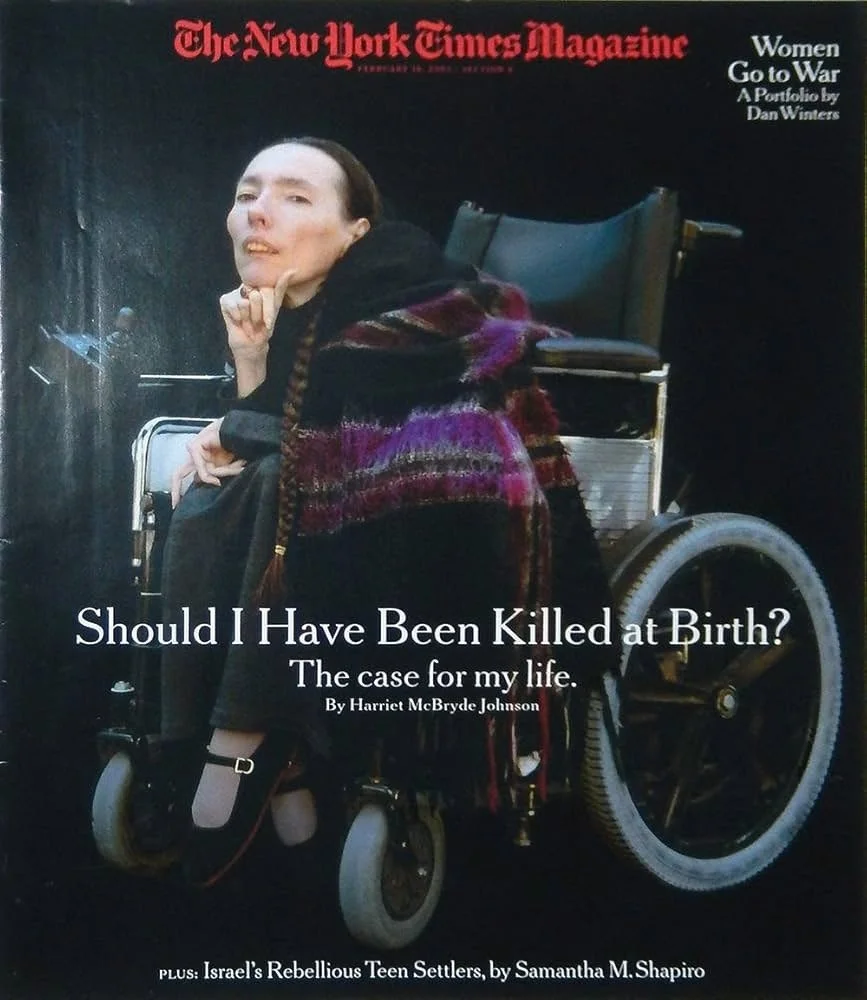
Figure 3. Katy Grannan, “Cover of New York Times Magazine featuring Harriet McBryde Johnson”, February 2003, magazine cover, The New York Times Company.
While feminist studies assert that women are objects of the male gaze, disability studies suggest that disabled bodies are the objects of the stare. Garland-Thomson closely examines the stare in her book Staring: How We Look(2019), in which staring is defined as “an intense visual exchange that makes meaning.”[10] Disabled individuals often become targets of the stare as their bodies disrupt visual expectations, provoking curiosity in nondisabled ‘starers’ before social etiquette prompts them to look away. Garland-Thomson draws evidence of this phenomenon from published firsthand accounts, including quadriplegic anthropologist Robert Murphy’s The Body Silent (1987) and writer Lucy Grealy’s Autobiography of a Face (1984), as well as anonymous interviews interspersed throughout the text. In these accounts, many ‘starees’ note that when ‘starers’ avert their gaze, it is felt as a missed opportunity for mutual recognition or, in Murphy’s words, a “deliberate obliteration of [his] personhood.”[11] To confront this visual dynamic of recognition and personhood, artists like Doug Auld and Chris Rush create portraits of disabled subjects that invite gallery viewers to stare at unfamiliar bodies, free from the pressures of proper social conduct. Auld’s large-scale portrait, Shayla, from his series State of Grace, presents a young African American woman and burn survivor. Paying close attention to the texture of her scarred skin, Auld renders her face in precise brushstrokes, as she stares back at the viewer with resolute eyes and a subtle smirk on her lips (Fig 4). The effect of this is two-fold: for viewers, the encounter familiarizes the disabled body and reframes it as high art worthy of appreciation, while for subjects, their unwavering stare eternally insists on their dignity and worth. Garland-Thomson embeds grayscale reproductions of these portraits within her text, enabling her readers to participate in a similar exchange as they read about the works. The inclusion of this media reinforces her aim of expanding disability representation to a wider audience.
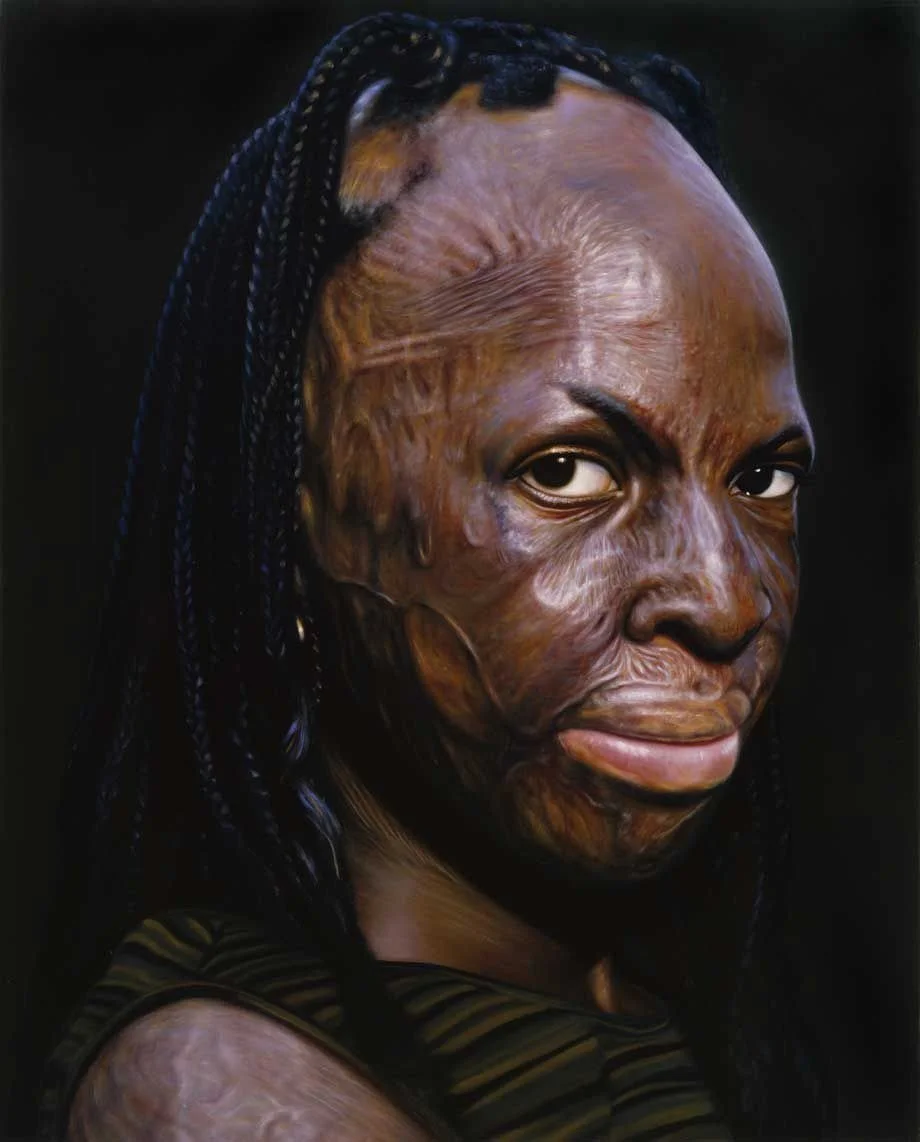
Figure 4. Doug Auld, Shayla, 2006, oil on canvas, National Portrait Gallery, Washington D.C.
Throughout the entire book, Garland-Thomson engages with her “ideal” audience of “general educated readers[s] or academic[s] who are curious why we stare” by employing the “invitational we.”[12] This intends to dissolve the ‘we’/’they’ divide between ‘starers’ and ‘starees,’ highlighting the interpersonal relations involved in staring and the identities they create. However, it is important to note that while Garland-Thomson employs the “invitational we” here and in the aforementioned texts to welcome readers into the conversation, the conversation itself is limited. Garland-Thomson operates within the institutional milieu of the university, given her professorship at Emory and the publication of her works through university presses, including Oxford and Columbia. The scholarly language of her writing and the standard print and digital formats in which it is published additionally restrict its accessibility to certain academic readers. Therefore, her use of the “invitation we” is essentially limited to the largely academic audience of her works. Given the importance and necessity of accessibility to the disabled community, this limitation seems counterintuitive to her project.
Nevertheless, Garland-Thomson’s scholarship remains in dialogue with other prominent figures in disability studies, such as Tobin Siebers, whose theoretical discussions have appeared alongside hers in publications like Disability Studies: Enabling the Humanities (2002). Both scholars converge on the understanding of disability as a social location that, when critically analyzed, has the potential to advance political goals, including reforms to institutions and policy. Underlying Siebers' arguments are three methodological principles which he outlines in the introduction to his 2008 book Disability Theory. They are as follows: “knowledge is socially situated,” “identities are socially constructed,” and “some bodies are excluded by dominant social ideologies.”[13] Given this basis, Siebers argues that social locations outside the dominant ideology can offer valuable knowledge about it, based on their identities, histories, and experiences. In the context of disability, disabled individuals are capable of critiquing the “ideology of ability” that privileges able bodies and contributes to the discrimination and exclusion of disabled bodies.[14] Connecting back to discussions of legislation, a real-world example appears in Siebers' discussion of landmark case Tennessee v. Lane (2004), in which wheelchair user George Lane sued the state of Tennessee after being arrested for refusing to crawl up the stairs of the Polk County Tennessee Courthouse in the absence of an elevator. Upon hearing similar testimonies from many plaintiffs, the Supreme Court ruled in their favor, recognizing the courthouse’s failure to ensure them equal access to public services as mandated by the ADA.[15]
Tennessee v. Lane, a case in which personal experience was pivotal in securing political justice, justifies Siebers’ methodological choice to foreground lived experience as a form of evidence. Siebers primarily supports this argument with numbered dossier entries detailing everyday peoples’ encounters with different forms of oppression. Many consist of unaltered excerpts from news stories published in major papers like the New York Times, a source also referenced by Garland-Thomson. Bounded by two horizontal lines and formatted with wide margins, these dossiers appear between Siebers’ text, creating a juxtaposition in writing style and appearance of text on the page. This textual media breaks up his denser theoretical discussion with emotionally resonant stories that reinforce his call for action. Siebers targets this agenda at two audiences, “critical and cultural theorists,” and “signal thinkers in the adjacent fields of cultural studies, literary theory, queer theory, gender studies, and critical race studies” given the insights disability studies offer to current debates in these fields.[16] Coming from a similar background as Garland-Thomson, Siebers earned a Ph.D. in Comparative Literature from Johns Hopkins University and acted as Director and Professor in English language and comparative literature studies at the University of Michigan. The interdisciplinary basis of comparative literature, which considers the intersection of literature with other cultural forms across time, informs the interdisciplinary approach to and target of Siebers’ scholarship.
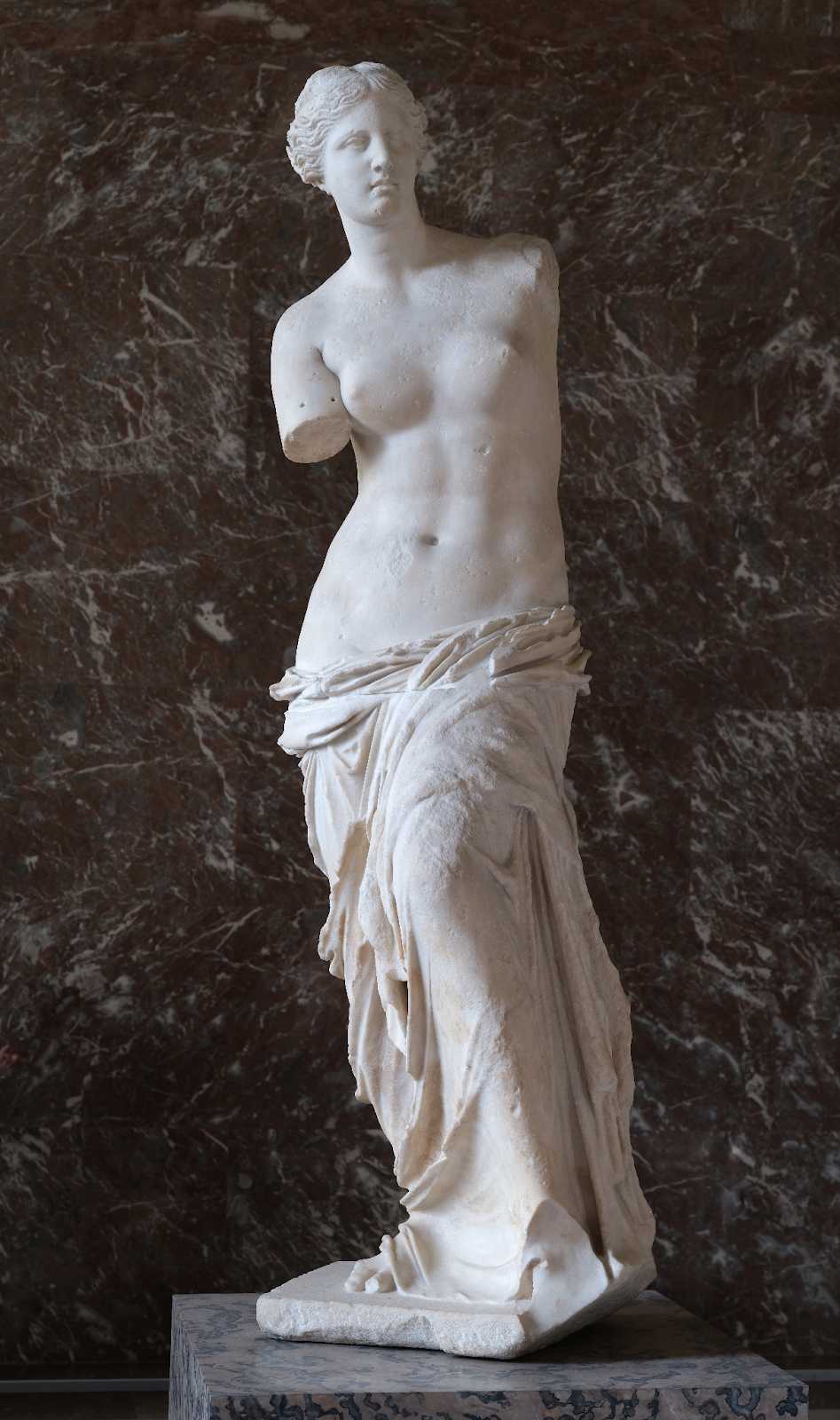
Figure 5. Alexandros of Antioch, Venus de Milo, 2nd Century BCE, marble, Louvre Museum, France.
This interdisciplinary approach extends to his discussion of art and aesthetics in his 2009 book Disability Aesthetics, which continues to grapple with the intrinsically political disabled body. While his disability theory prioritizes personal experience for its power in dismantling the ideology of ability, this text considers how disability representation in art can also contribute to this goal. Like Garland-Thomson, Siebers looks back at historical representations of disability to provide grounds for his argument. He acknowledges that disabled bodies have long been pathologized in medical photographs and “enfreaked” in freakshows, both of which endorsed human aesthetic disqualification. However, Siebers diverges from Garland-Thomson when he argues that disability has, nevertheless, been the determining factor in many works of art established as superior examples of aesthetic beauty. This idea is theorized in what he calls “disability aesthetics,” which “seeks to emphasize the presence of disability in the tradition of aesthetic representation.”[17] Siebers’ method re-evaluates disability representation, particularly in modern art, which is preoccupied with distorted bodies, psychological isolation, and non-normative forms. Given that aesthetic feelings of pleasure and disgust are deeply entangled with political feelings of acceptance and rejection, disability aesthetics not only complicates the notion of aesthetics, but also addresses the political communities that underlie such works.[18]
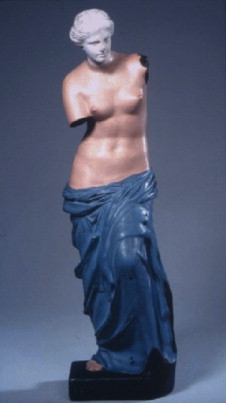
Figure 6. René Magritte, Les Menottes de cuivre, 1931, painted plaster cast, Royal Museum of Fine Arts of Belgium.
Siebers’ argument is evidenced by his comparative analysis of both historic and contemporary artworks. Beyond his exploration of modern art, the classic example he highlights is the Venus di Milo, which was immediately declared the pinnacle of female aesthetic beauty upon its excavation in 1820 despite, or perhaps because of, her missing arms (Fig. 5).[19] In fact, Venus was not the only fragmentary statue to be assigned such high aesthetic value. Centuries earlier, the headless Torso Belvedere was championed by Michaelangelo, who supposedly prevented any restoration attempts, and art historian Johann Joachim Winckelmann, who pronounced it “most beautiful as it is so severely mutilated.”[20] Although these works were not initially considered representative of disabled bodies, later artists made (and continue to make) these associations apparent. For instance, in his Les Menottes de cuivre (1931), surrealist artist René Magritte paints a replica of the Venus de Milo in flesh tones and splatters blood-red paint on her stumps, suggesting a recent amputation (Fig. 6). In 2005, British visual artist Marc Quinn installed his monumental marble sculpture, Allison Lapper Pregnant, in Trafalgar Square, London, which depicts armless artist Alison Lapper nude and eight months pregnant (Fig. 7). In the print edition of Disability Aesthetics, Siebers includes color plates of Les Menottes and Alison Lapper Pregnant, along with a black and white photograph of their referent, the Venus de Milo. This media underscores the formal similarities between these works, all of which are armless, nude, sculpted female bodies. Yet, despite her apparent similarities with the canonically beautiful Venus, Allison Lapper Pregnant incited a flood of negative responses from the British press, who justified their revulsion by claiming that disability is an unacceptable subject for art.[21] In this comparison, Siebers reveals how disability is integral to the superior beauty assigned to iconic works like Venus, yet, when artists overtly represent disability, it often receives backlash attempting to aesthetically disqualify these bodies from art in the same way they are disqualified from society. Disability aesthetics seeks to intervene by integrating disability into the art-historical consciousness so that celebrated artworks of disabled bodies are recognized as disabled, and the beauty associated with them can extend to the real bodies they resemble.
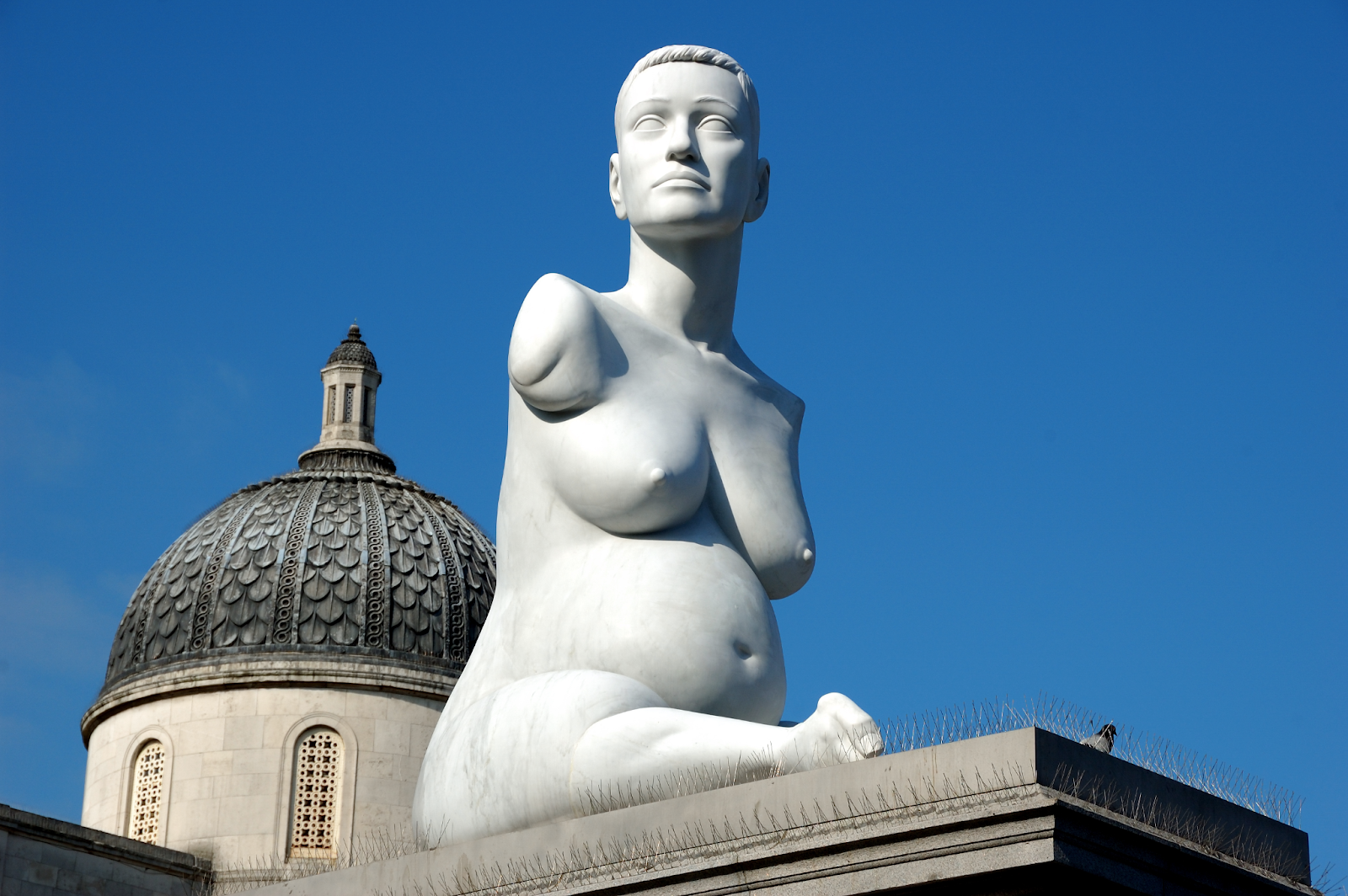
Figure 7. Marc Quinn, Allison Lapper Pregnant, 2005, marble, Unknown storage location.
Siebers also provides the Nazi art of the 1937 Great German Art Exhibition as a counterexample to the Venus de Milo and the beauty found in disabled bodies throughout art history. This exhibit showcased sculptures like Arno Breker’s Readiness and Josef Thorak’s Comradeship, whose highly idealized, muscular bodies were meant to embody the Nazi drive toward human perfection through elimination of human variation (Fig. 8). While these sculptures intentionally eradicated disability, the artificiality of their perfectly sculpted forms approached pure kitsch more so than a humanly achievable vision of health.[22] This demonstrates how, contrary to many prevailing beliefs about art, the absence of disability does not necessarily equate to aesthetic beauty. It also provides a glaring example of how the representation of bodies can be conflated with dangerous political ideas, justifying the discrimination and elimination of bodies that do not conform to the dominant ideology. Even with legislation like the ADA, aesthetic representation is of great importance. Professor of law and legal scholar Jasmine E. Harris draws attention to the relationship between aesthetics and the law in her 2019 text, “The Aesthetics of Disability,” published in the Columbia Law Review. She points out that “aesthetic norms, rather than explicit legal regulation, are the primary instruments of social control.”[23] They affect access to and quality of rights and determine which bodies are considered threats to the institutions of power, resulting in their surveillance or punishment. On the individual level, aesthetic judgements can resist anti-discrimination education and awareness by serving as a barrier to contact between disabled and nondisabled individuals, even when both wish to interact. If contact does occur, aesthetics can potentially generate or exacerbate disgust.[24] Thus, there is a limit to which anti-discrimination legislation can mitigate institutional oppression and everyday microaggressions due to the deeply ingrained aversion to disabled bodies that is facilitated by our culture. Though it is unrealistic to suggest an unlearning of these biases, a reimagining of disability in past and present visual culture can work to recalibrate the collective consciousness, and consequently the law, towards greater social justice.
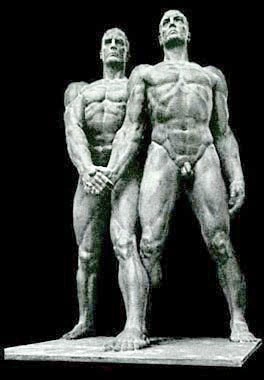
Figure 8. Josef Thorak, Comradeship, 1937, bronze, Unknown Location.
In sum, this paper attempted to provide a brief yet comprehensive exploration of the complex reciprocal relationship between aesthetics, visual representation, and legislation in the context of disability. Examining the work of leading disability scholars Rosemarie Garland-Thomson and Tobin Siebers, I have highlighted their shared conviction that the representation of disabled bodies in art is a mechanism for enacting social and political change. Both operate within the institutions of their respective universities, target their work at academic audiences, fill their books with images of artworks, and find evidence for their arguments in interdisciplinary theories and artistic examples. While Garland-Thomson’s method involves an expansion of disability representation in contemporary art that challenges negative connotations historically bound to disabled bodies, Siebers proposes a method that sheds light on the presence of disability in the art-historical canon. Together, these approaches can reframe the way disabled bodies are perceived and engaged with, not only within art-historical knowledge production but also across broader societal contexts, including policy-making and legislation.
Bibliography
[1] Americans with Disabilities Act of 1990, 42 U.S.C. § 12101 et seq.
[2] Tobin Siebers, Disability Aesthetics (University of Michigan Press, 2010), 27.
[3] Jasmine E. Harris, “The Aesthetics of Disability,” Columbia Law Review 119, no. 4 (2019): 938, JSTOR.
[4] Rosemarie Garland-Thomson, Extraordinary Bodies: Figuring Physical Disability in American Culture and Literature (Columbia University Press, 1997), 6.
[5] Garland-Thomson, Extraordinary Bodies, 6.
[6] Rosemarie Garland-Thomson, “Disability and Representation.” PMLA 120, no. 2 (2005): 522, JSTOR.
[7] Garland-Thomson, “Disability and Representation,” 527.
[8] Garland-Thomson, Extraordinary Bodies, 21.
[9] Garland-Thomson, Extraordinary Bodies, 26.
[10] Rosemarie Garland-Thomson, Staring: How We Look (Oxford University Press, 2009), 7, ProQuest Ebook Central.
[11] Garland-Thomson, Staring, 83.
[12] Garland-Thomson, Staring, 8.
[13] Tobin Siebers, Disability Theory (University of Michigan Press, 2008), 33, EBSCOhost.
[14] Siebers, Disability Theory, 8.
[15] Siebers, Disability Theory, 120-121.
[16] Siebers, Disability Theory, 1.
[17] Tobin Siebers, Disability Aesthetics (University of Michigan Press, 2010), 2.
[18] Siebers, Disability Aesthetics, 2-3.
[19] Tobin Siebers, “Disability aesthetics and the body beautiful: Signposts in the history of art,” Alter - European Journal of Disability Research2, no. 4 (2008): 330, ScienceDirect.
[20] Siebers, “Disability aesthetics and the body beautiful,” 330-331.
[21] Siebers, Disability Aesthetics, 41.
[22] Siebers, Disability Aesthetics, 32.
[23] Harris, “The Aesthetics of Disability,” 952.
[24] Harris, “The Aesthetics of Disability,” 966.