

The Tiny and the Curious: The seventeenth-century Dutch dollhouse as the feminine cabinet of curiosity
In the seventeenth century, Dutch women turned to unusual dollhouses as vehicles of personal expression and self-fashioning.

An Interview with McGill’s Visual Arts Collection
Canvas sits down with McGill’s Visual Arts Collection to learn more about what they have to offer.

The (Im)Possibilities of Life and the (Im)Possibilities of Death: Liminality, Identity, and Cyclical Violence in Menace II Society

Understanding the MFA Short Story as a Capitalist Catalyst

Tensions in Time: Crypto Art and Temporality

Music as the Mediator of Love and Sexual Endeavours: Seventeenth-Century Depictions of Women in Domestic and Public Spaces

Enacted Landscapes: Sámi Naturecultures in Contemporary Duodji

Attracting a Buyer with Motion: Examining de Keyser’s Use of Pose in Portraiture

Divine Transformation: Reconfiguring Kali’s Feminist Iconography in Contemporary Western Art

Small Bronze Sirens of Renaissance Venice: A Feminist Critique on the Fetishization of the Mermaid

Marveling in Terror: Violence, Materiality and Salvation in Titian’s 1576 Saint Sebastian

Pleasure and Parody in the Harem: Elisabeth-Jerichau Baumann’s encounter with Princess Nazli Hanim
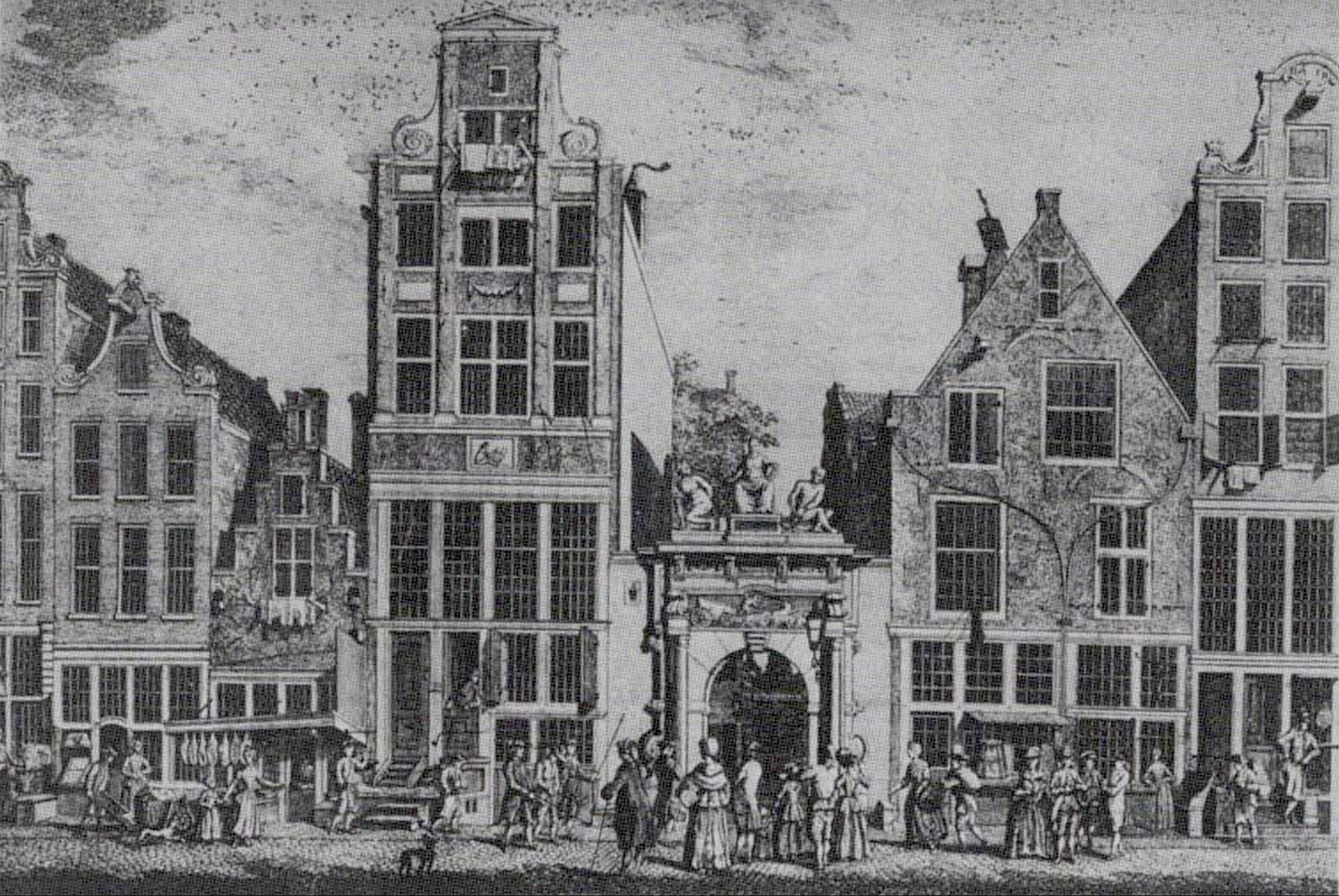
Early Oligarchal Penology: The Amsterdam Rasphuis as a Built Portrait of the Dutch Republic
As a built portrait of the city, the Amsterdam Rasphuis portal affords wealthy Dutch citizens the opportunity to fashion identities for themselves and their subordinates.

Revving Engines and Reverberant Sound: Noise in Formula 1
Noise in Formula 1 is reaching a breaking point where pleasing both fans and host communities may not be possible anymore.
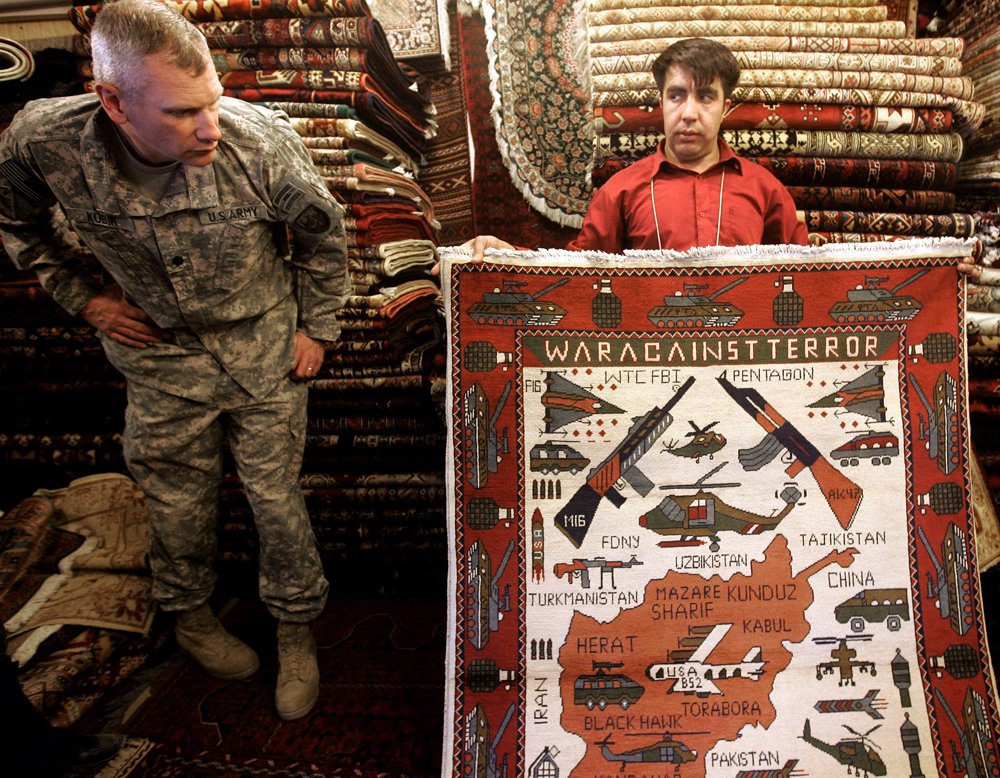
The Afghan War on Rugs
Afghanistan has been exporting war rugs since 1979—many now hang in museums. So why don’t we know their makers?

Devotion, Exports, and Civic Duty: Gerard David’s Functional Landscapes
According to Sally Whitman Coleman, Gerard David’s landscapes are non-functional alongside other Flemish Primitives—but Emily Vescio disagrees.

The Fuller Brooch as an Anglo-Saxon Object
The Fuller Brooch dually embodies constructs of Englishness and the “Anglo-Saxon.”