
Agnes Pelton: Antimodern Abstractions
Author: Madeline Blake, McGill University
Editors: Mathieu Lajoie and Anne-Lise Mocanu
Agnes Pelton: An Introduction
The work of Agnes Pelton is characterized by her elemental and dream-like abstractions. As with other early abstract painters, like Wassily Kandinsky, Pelton used frameworks from the religious movement of Theosophy to convey emotional resonance through rudimentary symbolism. Looking towards Theosophical literature, such as Annie Besant and Charles Leadbeater’s Thought-Forms, both Pelton and Kandinsky assigned affective emotions to colors and sounds. For Pelton, her abstractions were vessels for deep, spiritual emotions with a “mighty force for good which cannot but produce a decided effect upon all mental bodies within reach.”[1] Pelton thus strove to not only symbolically represent her religion on the canvas, but to use the act of painting itself as an emotionally powerful transcendental experience. Raised in Brooklyn by her single mother, the artist trained under Arthur Wesley Dow at the Pratt Institute from 1895 to 1900 and made her living painting portraits and murals for wealthy New York patrons. Studying further at Hamilton Easter Field’s art school in Ogunquit, Maine, Pelton developed a Symbolist aesthetic and exhibited two canvases at the Armory Show in 1913. Despite gaining more recognition over the course of the decade, Pelton chose to eschew city life in favor of a quiet windmill studio in Long Island in 1921.[2] Here, she experimented with immortalizing her immaterial visions onto canvas and pursued her life purpose: “To Establish Centers of Radiation in my paintings that are open to all.”[3]
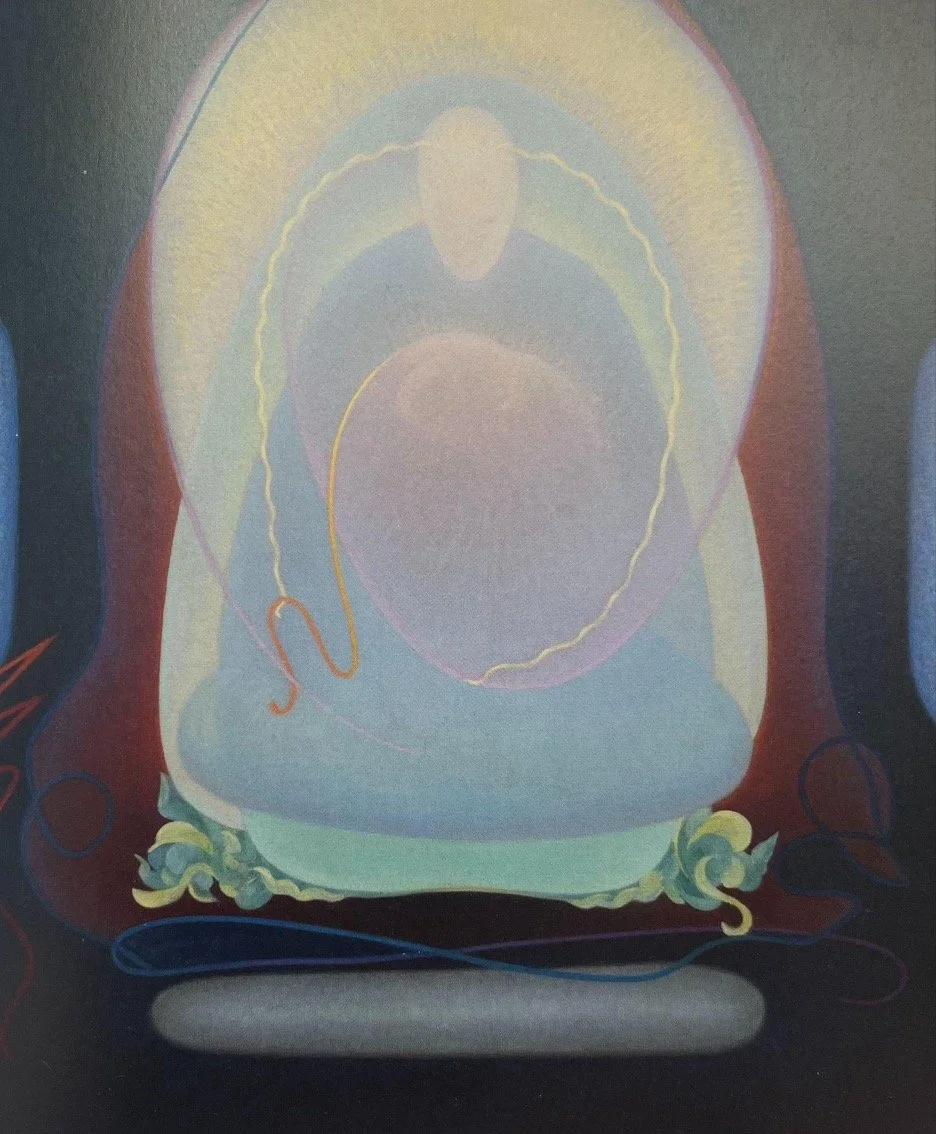
Fig. 1. Agnes Pelton, Mother of Silence, Oil on canvas, 1933. Private Collection.
Her belief in esoteric religion was not a mere pastime, but an all-consuming guiding force in both her personal and professional affairs. For instance, after moving to California on her own in the 1930s, Pelton consulted astrological charts to determine if she should take out a bank loan to fund the construction of her new home studio. The message she copied in her notebook from her friend Dane Rudhyar’s astrology manual, The Astrology of Personality, was enough to convince her: “Mature woman her hair just bobbed, looks into mirror. Sense of freedom from age and realization of the value of youth. Self-creation & independence from fate. Will power.”[4] Similar to how a horoscope might compel its reader to reflect on their decisions and intentions, her abstractions were intended to serve as “little windows, opening to the view of a region not yet much visited consciously or by intention—an inner realm, rather than an outer landscape.”[5] Conscious of the work of her contemporary, Georgia O’Keeffe, Pelton noted that her own pieces were “seen primarily inside, in the realm of the Ether,” while O’Keeffe “sees first outside… then with charming effect makes a decorative canvas of it.”[6] She believed that color was a “living spiritual entity” and that using pigment to represent the material world was akin to “imprisoning this spiritual being.” Rather, when using a color, she wrote that the artist must “take it into [their] being [and] ally [themselves] with it.”[7]
Pelton’s religious lifestyle was integral to her creative process and to the reception of her work. However, most analyses on the artist’s oeuvre have been limited to using her occult beliefs and practices as either biographical context or as grounds for a formal analysis of her theosophical symbolism. While I intend to highlight the scholars that have engaged critically with Pelton’s work, extensive analysis of the political and cultural factors surrounding the artist’s representation of esoteric religion are limited. I contend that Theosophy and its precursor, New Thought, were not simply passive wells of artistic symbolism and spiritual solace for Pelton. Rather, early twentieth-century discourses on Theosophy and New Thought closely pertained to parallel debates of the era on feminism, cultural evolution, and industrialization. New Thought’s inclusive syncretism and ecumenical openness destabilized typical American Protestant gender hierarchies by giving reverence to ancient goddesses and divine maternal figures. Theosophy forwarded Orientalist and appropriative interpretations of Hindu, Buddhist, and Indigenous religious practices, establishing a guiding discourse on cultural evolution that framed these groups as ‘primitive,’ and consequently relegating them to the past. For Progressive Era women like Pelton and her contemporaries, interest in these ‘ancient’ cultures not only stemmed from their perceived spiritual purity and isolation from the modern, industrialized world, but also served as a liberatory escape from patriarchal social structure. By intertwining Pelton’s work with its historical context, I seek to identify how her spiritual abstractions were born in the midst of a crisis between Anglo-American identity, modernization, first-wave feminism, and cultural evolution in the early twentieth century. I propose that Pelton’s abstractions ultimately express an extended longing for the antimodern that was echoed throughout the United States as a cultural cure for a fractured sense of national identity.
Recent literature on Agnes Pelton has been limited in scope. While the relationship of early abstract painters to esoteric religion and occult practices first received an influx of scholarly attention after Maurice Tuchman’s 1986 LACMA exhibition The Spiritual in Art: Abstract Painting 1890–1985, studies were primarily limited to European and male artists. Public interest in Agnes Pelton only began to rise nearly ten years later, with Michael Zakian’s 1995 exhibition, Agnes Pelton: Poet of Nature, at the Palm Springs Desert Museum. Zakian’s catalogue serves as an early example of literature on the artist that explores her paintings’ theosophical symbolism. Extensive biographical research on Pelton has since been performed by Nancy Sheley in her dissertation, “Bringing Light to Life: The Art of Agnes Pelton.” Erika Doss has recently examined the esoteric literature Pelton studied in New York and the Southwest in her book chapter, “Agnes Pelton & Occulture: Spiritual Seeking & Visionary Modernism.” However, most literature on Pelton reveals a tendency to frame her as an isolated mystic rather than a member of an active religious movement. Indeed, Doss writes early in her study that “Pelton was not a cultist, or a member of an organized faith.”[8] I believe that while the artist enjoyed private meditation over living in a religious commune, to say she was not a member of an organized faith downplays the vital role that networks of New Thought and Theosophy had on her life and work.
Much of the scholarship on her relationship to Theosophy is largely used to provide context for the formal analysis of her work rather than to explore how this theme in her oeuvre reflects the social and cultural debates of the era. This tendency to view Pelton’s spirituality as private thus minimizes her involvement in the appropriation of Hindu, Buddhist, and Southwest Indigenous culture that Theosophical networks engaged in. The only scholar to call attention to the ways in which Pelton’s artwork engages in this kind of appropriation is Nathan Rees in his 2012 article, “’Where “Deep Streams Flow, Endlessly Renewing’: Metaphysical Religion and ‘Cultural Evolution’ in the Art of Agnes Pelton.” Building upon Rees’s revelatory study, my research draws comparisons between New Thought and theosophical literature with the contemporary cultural and political debates of Pelton’s era. While Rees’s work focuses on the development of American religious liberalism, my argument is more closely linked to a rise in criticism of modern American life. Here, Kathleen Pyne’s monograph, Art and the Higher Life: Painting and Evolutionary Thought in Late Nineteenth-Century America, exemplifies how turn-of-the-century cultural criticism may be used to analyze the artistic production of this era.
Ultimately, I wish to unite Pelton’s artwork with its largely neglected historical and political context. While Pelton’s work has garnered greater attention in recent years, this revival has been staged without a critical perspective on the religious symbolism they feature or the context she worked under. Pelton’s oeuvre is consequently flattened to the realm of soft, feminine, decorative appeal, with some spiritual undertones. Rather, my argument will begin by situating her work in a cultural context that defined antimodernism as a social and moral remedy. The following three case studies will examine this theme more specifically. First, I relate New Thought and first-wave feminists’ shared belief in an ancient maternal divine to Pelton’s painting of a female deity, Mother of Silence. I will then delve into Pelton’s abstract representations of Theosophical evolutionary theory, which simultaneously paralleled and opposed her era’s own scientific evolutionary theories. Finally, I will examine the artist’s decision to move to the American Southwest and her subsequent representations of the region within the context of the primitivist accounts of her contemporaries, Mary Austin and Mabel Dodge Luhan.
Antimodernism in Context
Agnes Pelton was born into an era marred by anxieties over the consequences of industrialization, technological advancement, immigration, urbanism, and secularism on America’s founding identity as a Christian agrarian society. Darwin’s 1871 study of human evolution, The Descent of Man, underscored these anxieties by challenging the foundational Christian belief that mankind inhabited a world designed by divine order to provide for its prosperity. The United States adopted this ethos to define its own national identity as a pious nation chosen by God to enact his will on the land, justifying the colonial exploitation of North America and beyond. John Louis O’Sullivan, editor of The United States Magazine and Democratic Review, notoriously claimed in 1845 that it was “[O]ur manifest destiny to over-spread the continent allotted by Providence for the free development of our yearly multiplying millions.”[9] Darwin invalidated mankind’s claims to having special intelligence, moral superiority, and uniqueness over other living organisms, saying “the difference in mind between man and higher animals… is one of degree and not of kind.”[10] The finde siècle American was thus forced to question their status in a natural world that was no longer defined as responsive to the virtues of humanity. What was the defining purpose of one’s time on Earth without the guarantee of a Christian afterlife? The sanctity of humankind now faced an uncertain trajectory in a landscape where random mutation and arbitrary variations in nature determined biological survival and prosperity. The most popular response to Darwin’s threats was provided by philosopher Herbert Spencer, who attempted to reconcile the positivist outcomes of Darwin’s evolutionary theory with a more palatable Lamarckian outlook that emphasized the power of the mind’s individual will rather than the uncertainty of natural selection.[11] Importantly, Spencer wrote of an “Unknowable power” determining humanity’s fate in “a lawful cosmos evolving inexorably towards Something Better.”[12] The vague agnosticism of this Unknowable force allowed American Protestants to contend that belief in God was not incommensurable within an evolutionary worldview. Further, Spencer managed to recast America’s claim to manifest destiny in updated social-scientific terms that optimistically linked moral progress with the growing materialism of the modern age.
As the fin de siècle continued to define itself as an age of technological advancement, rationality, and material progress, many members of the listless upper classes began to realize these alleged triumphs had not produced greater autonomy in their lives but rather promoted a spreading sense of moral impotence and spiritual sterility.[13] Spencer’s positivist discourse lacked appeal to those who felt that the pressures of modern life were evidence of societal ill rather than progress. This adverse response to the pressures of modern life was popularly pathologized through physician George Miller Beard’s 1881 book American Nervousness, which introduced the catch-all term ‘neurasthenia’ to describe the anxious and fragile state of the introspective urban American.[14] Neurasthenia uniquely afflicted the educated upper classes whose dissatisfaction was characterized as the product of “overcivilization.”[15] In 1900, Pelton herself suffered a nervous breakdown while teaching at Arthur Wesley Dow’s summer school in Massachusetts and was diagnosed with “neurotic fever.”[16] Throughout the course of her life, Pelton would seek spiritual solace as a means to alleviate her neurasthenia. From New Thought spirituality to Theosophical esotericism to the pure solitude of the Californian desert, Pelton sought guidance in what historian T. J. Jackson Lears identifies as the “antimodern.”[17] These tenets of Pelton’s life were not merely steppingstones in one individual’s search for well-being but demonstrate a culturally significant reaction to the strains of modern life. Lears writes that, in seeking an antimodern lifestyle, thousands of Americans found value in therapeutic spirituality, Hindu and Buddhist texts, and a return to pastoral ways of living.[18] Appeals to the antimodern ultimately attempted to resolve modern anxieties through the antithesis of a positivist Spencerian philosophy—one that placed reverence on mysticism and ancient knowledge[19] rather than material progress and scientific knowledge. The following discussion aims to locate this longing for the antimodern within Agnes Pelton’s spiritual abstractions, examining how her artistic expression is indicative of a larger cultural crisis between modernity, feminism, cultural evolution, and American identity.
Mind-Cure, Matriarchy, and Mother of Silence
Easing modern anxieties required a modern approach to spirituality. The New Thought movement permeated urban America as a means to cure the mind through a therapeutic, mystical, and progressive approach to Christianity, acquiring more than one million followers by the turn of the century.[20] Neurasthenia, as a symptom of a particular cultural malaise rather than a physical infection, was also diagnosed and treated differently according to the afflicted’s perceived cultural role. Urban bourgeois life was seen as distancing men from the rugged pioneer lifestyle of America’s forefathers, enfeebling both the physical body and mind. For men, mind-cures were used in conjunction with an increase in “masculine activities,” exemplified by health institutes like boxing champion William Muldoon’s rehabilitation center that emphasized manual labour and discipline to instill manly will into its clients.[21] Mind-cure for women, conversely, sought to empower women by giving them an autonomous spiritual practice based on meditation and quiet reflection. Female New Thought leaders configured a proto-feminist spirituality that adapted Protestantism to the aims of Progressive era women, while often re-establishing gender roles by appealing to inherent sexual differences between men and women.
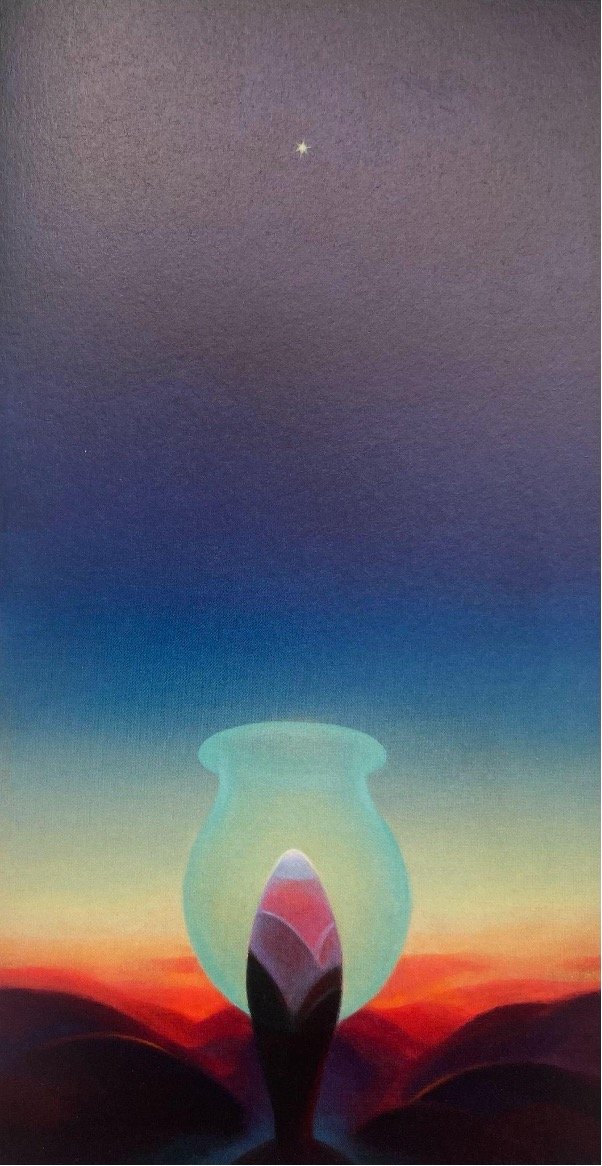
Fig. 2. Agnes Pelton, Star Gazer, Oil on canvas, 1929. Private Collection.
Pelton’s Mother of Silence imagines an amorphous, Buddha-like figure enveloped in a soft white aura, with sweeping golden tendrils curving around from the figure’s head to her navel (fig. 1). Pelton treated Mother of Silence as a devotional object of contemplation and religious experience, meditating in front of the image throughout her life. In a diary entry from 1941, she wrote, “I let the light in my room, Mother seemed close as Mother of Silence was illuminated. Lovely presence emanated from it, strongly saying ‘don’t worry, all is well.’”[22] This conception of a divine feminine figure derives directly from the teachings of New Thought leader, Emma Curtis Hopkins, to whom Pelton was referred by a mutual friend in 1919, Mabel Dodge Luhan.[23] After only a year of meeting with Hopkins, Pelton noted that “I wanted to feel better than I have for some time, and I’m really beginning to.”[24] Hopkins took a more liberal stance on spirituality than her Christian Science predecessors like Mary Baker Eddy, and encouraged the development of personal spiritual revelations on the path to enlightenment.[25] Allowing women to embrace their own spiritual authority, Hopkins decentered the position of the church in American spiritual life. The final page of her 1892 text, Resumé, instructs her pupils to fill notebooks “with quotations from philosophers, poets, mystics... Put them in your own original inspirations as they come to you. So will you write your name with the stars, and make the foundation of an original book.”[26] Following this advice, Pelton filled her sketchbook with diary entries, personal mantras, and passages from mystical texts that inspired her. Hopkins importantly expressed an openness to syncretic forms of spirituality in which both sacred and non-sacred, as well as Christian and non-Christian, texts could advance one’s spiritual path. The diversity of spiritual teachings evident in the passages Pelton copied to her notebooks also appears throughout her canvases, catalyzing her journey toward spiritual abstractions. In Mother of Silence, Pelton alludes to the round, seated form of the sitting Buddha while also gendering the figure as a female ‘mother,’ not unlike typical depictions of the Virgin Mary wrapped in blue robes. Likewise, it has been suggested that Pelton could be drawing a reference to her late mother, who had been a significant presence in her life, being the sole provider and caretaker after Pelton’s father abandoned the family in her youth.[27] Hopkins espoused a conception of the divine feminine that was intimately connected with motherhood, writing in Class Lessons of 1888 that “we are an infant on the bosom of the Infinite Mother God.”[28] In her teachings, God was composed of both a male and a female spirit, the latter of which had been suppressed in modern American Protestantism: “We have kept the mother-voice and the sacred mother-power inactive in the world.”[29] In Mother of Silence, Pelton erects the “mother-voice” of Hopkins’ teachings as a source of wisdom to consult through quiet meditation. Next to her initial sketch, she describes the figure in Mother of Silence as “a real person whom I can and will come to know better—a wise and blessed presence.”[30] Hopkins’ expansive spiritual program allowed women like Pelton to experiment with the veneration of alternate or adapted versions of God designed around feminine principles.
While Hopkins attempted to present the male and female dualism of God as existing with equal force and authority, she nonetheless characterized these gendered spirits with a prejudiced perception of innate sexual difference. She believed that women deserved to have a greater place in Christian thought, progressively declaring that her students “discern the signs of the times in the uprising of woman and the spiritual interpretation she is giving to all words and movements” and likens her revelations to “the second coming of Christ.”[31] Simultaneously, she configured her idyll of the male and female spirit of God in traditional terms, consisting of an “active, initiative, positive, masculine principle, expressing itself in strength and intellect” and a “passive, receptive, negative feminine principle, expressing itself in gentleness and affection.”[32] The healing effect of New Thought mind-cures for women thus involved balancing the gentle and passive force of the feminine inner-self with the strength of masculine spirit. In this way, Hopkins’ teachings echo those of other first-wave feminists who, instead of renouncing gender roles altogether, stressed the innate difference between the sexes as a means to advance women’s causes in a patriarchal system. Late nineteenth-century American suffragists such as Elizabeth Cady Stanton, Eliza Burt Gamble, and Matilda Joslyn Gage reconfigured Darwinian rhetoric into a matriarchal vision of the past, stressing the foundational aspects of maternity in human prehistory. If, in Darwin’s view, male sexual selection determined evolutionary outcomes, then it was “maternal love... divine, uncreated, eternal” that cultivated human intelligence and “the arts of peace and the sentiments of kinship.”[33] Suffragist Eliza Burt Gamble’s 1897 text The God-Idea of the Ancients provides examples of Goddess worship in ancient Hindu, Egyptian, and Greek cultures as a means to prove the historical existence of a matriarchal prehistory. She writes that while the male/female division of labor was a necessary step in the evolutionary process, “in an earlier age of existence upon the earth... human energy was directed by the altruistic characters which originated in and have been transmitted through the female; but after the decline of woman’s power, all human institutions, customs, forms, and habits of thought are seen to reflect the egoistic qualities acquired by the male.”[34] First-wave feminists sought not to abolish the Victorian familial unit but to affirm women’s importance in maintaining it, using these claims to support their arguments for widening women’s civil rights and duties. By attributing human development to the creation of a monogamous familial unit held together by maternal good, feminists gave their arguments a biological logic that appealed to contemporary debates on evolution.[35] A future of improved women’s rights, then, would look nostalgically to a time when the special gifts of women in the domestic sphere were revered as a social power. Hopkins’ Mother God similarly attempts to dismantle traditional protestant gender hierarchies by equalizing the masculine and feminine principles of God in Christian Science, but ultimately stressed the perception of fundamental differences in male and female affect. Pelton’s Mother of Silence, while exploring the liberatory concept of a female spiritual guide, also limits female wisdom to the passive, maternal influence that both first-wave feminists and New Thought leaders espoused. The rhetoric of these two groups expressed a reversed progressivism that longed for a revival of the pre-modern era’s admiration for the eternal and the divine nature of maternal responsibility. Hopkins and early feminist movements characterized this antimodern revival using different means—a revision of Protestantism and an appeal to evolutionary pre-history— yet shared the belief that the ills of modern society could be bettered through feminine instinct.
Antimodern Evolution
Helena Blavatsky, co-founder of the Theosophical Society, articulated a slightly different version of the male/female spiritual divide than Hopkins. Blavatsky conceptualized the divine as a sexless being with both male and female incarnations throughout history. In The Secret Doctrine, she wrote that the earliest human cultures thought “female deities were more sacred than male” as they were responsible for procreation and metaphorically associated with the Earth.[36] Christian Eve is likened to the Vedic Hindu goddess Aditi due to their shared appearance in their given creation stories.[37] Similarly, she writes that Venus and Aphrodite are the Greco-Roman equivalents of the Virgin Mary.[38] Multiple of Pelton’s spiritual abstractions allude to Blavatsky’s universal reincarnation of feminine generative power through the star-like symbol of the planet Venus. Star Gazer pulls the viewer’s gaze upward to a singular beaming star at the top of the canvas (fig. 2), which Pelton identified as Venus in a letter to her friend, Jane Levington Comfort: “It was an after-glow over the hills, with Venus close in the darkening sky—with a cone shaped form reaching upward with a pale green chalice about it—holding the star light. It is of an emotional nature.”[39] While the late-evening sunset crests upon the crimson horizon line, an abstract form—perhaps resembling a flower bud before bloom—rises out of the earth beneath it and divides the canvas into symmetry. The bud-like form projects itself unto a translucent vase directly underneath the radiant six-pointed star embedded in the cobalt blue twilight. Previous scholarship has posited that the painting’s rich color spectrum of red, orange, yellow, green-blue, indigo, and violet-white (from bottom to top) correlates with the body’s chakras from pelvis to brain.[40] Pelton filled three pages with notes on the human body chakras in 1947.[41] The painting’s reference to the planet Venus, named after the ancient goddess of love and fertility, may attune the beholder to potential procreative themes. Pelton, in a note to herself, wrote that “when a form appears to have a phallic resemblance, use the force it represents... [using] a greater intensity of light or strength of color elements... keep the form... but change its shape.”[42] In Star Gazer, the artist superimposes an abstracted phallic form onto the womb-like vessel at the center of the canvas. The planet of Venus overseeing this union further symbolizes birth and revitalization through its dual status as a morning and evening star, ushering in the night and then awakening each new day.[43] Pelton’s interest in theosophical symbols of renewal and generative power conveys a deeper fascination with the origins of human life and the course of spiritual evolution, which Blavatsky characterized as an antimodern escape towards ancient knowledge.
Pelton was introduced to Theosophy by her lifelong friend Emma Hart Newton. After Newton moved to Los Angeles, Pelton spent eight months with her and visited Will Comfort’s Glass Hive commune in Pasadena in 1928.[44] While the artist did not remain at Glass Hive, she expressed that she felt “an especial pull in that direction” and formed a lasting connection to Comfort’s daughter, Jane.[45] Similar to New Thought mind-cure, Theosophical practice focused on a self-reflection that manifested inwardly, for the purpose of enriching the soul. This countered Protestantism's outward display of reverence towards God. Theosophy, however, diverged from Christianity in favor of an appropriative interpretation of Hindu and Buddhist concepts of reincarnation. Blavatsky conceived of a syncretic, “universally diffused religion of the ancient and prehistoric world” in which one’s soul performed an “obligatory pilgrimage... through the Cycle of Incarnation.”[46] As such, metaphysical religious practices like meditation were used to bring believers closer to a higher state of transcendence. Pelton dedicated an entire room in her home to meditation, describing the practice as “the cold clear brittle air that opens draughts to the spirit as well as to the body... bright moments of quietude.”[47] The artist also recorded her experience lighting incense to enhance this contemplative ritual, writing that the smoke rose with a “symphony of movement, so beautiful [she] needed finer senses than [she had], to appreciate it.”[48] Pelton also subscribed to a newer branch of Theosophy called Agni Yoga that was founded by Nicholas and Helena Roerich in 1920.[49] The Roerich’s teachings claimed to “complete Blavatsky’s Secret Doctrine” by engaging with a “psycho-fiery energy” to unblock the sacred chakras.[50] Pelton’s friends even suggested that the artist herself had the special gift of extrasensory perception. In 1943, Jane Comfort wrote to Mabel Dodge Luhan describing Pelton’s ability to sense a “force” that was dangerously “exciting and too stimulating” at the Comforts’ home, adding that “she is very fragile and very potent—much more so than she knows anything about or would dream of believing if you told her.”[51] At a time when the artist was feeling too poorly to paint, she recorded in her notebook having sensed a “Presence, shadowy but Real... of deep, gentle power—remote, but directed toward me. So it seemed the abstractions must go on, not to stop them ever, from discouragement.”[52] Pelton’s following of theosophical thought was exceedingly thorough and diverse in scope, revealing that the artist was not a casual believer but a committed occultist.
While Theosophy was in many ways a progressive movement for its time, promoting a pluralistic view of world cultures and religions rather than a Western cultural hegemony, this outlook nonetheless relied deeply on Orientalist stereotypes. Indeed, most of the literature Pelton consulted on religious and cultural traditions from Asia was written by white authors seeking refuge in the perceived simplicity and purity of the Eastern world. Pelton took notes on yoga and the Hindu knowledge system of Advaita Vedanta in her notebook as it was explained by Francis Yeats-Brown, former member of the British Indian Army, in his 1930 autobiography, The Lives of a Bengal Lancer.[53] In fact, many Theosophical leaders even claimed to know more about Hinduism and Buddhism than native practitioners.[54] Western Theosophists ultimately held the Orientalist belief that these religions were nearly lost and that it was their sacred mission to recover and revive ancient knowledge, for the sake of furthering the evolutionary development of humanity. In this sense, Theosophical thought parallels yet contrasts with Herbert Spencer’s contemporaneous discourse. Both appear as responses to the uneasiness of Darwinian natural selection by instead emphasizing individual will as a means of moral progress. Conversely, Spencer believed in the virtues of modern life and reported that nervous exhaustion resulted from an individual’s maladaptation to an environment rather than as a greater societal response to materialism.[55] Theosophy, on the other hand, promoted a self-culture that was expressly antimodern. Through a syncretic appropriation of ancient religion, individuals would reach a higher state of being and move humanity away from a modern vision of progress rather than towards it.
As seen in Star Gazer, Pelton was dedicated to depicting imagery that signified generative power and rebirth, referencing Theosophy’s conception of humanity as cyclically evolving toward spiritual progress. The origins of the soul’s metaphysical journey are depicted in Mother of Silence, which resembles a passage from Blavatsky’s Isis Unveiled. She writes that the religious symbol of the vessel—as seen through the Ark of the Covenant, Egyptian sarcophagi, and Greco- Roman sacrificial chalices—represents the womb of nature and is tied to “the germs of all living things” through an “umbilicus connected through the placenta with the receptacle in which are fructified the embryos of the race.”[56]Mother of Silence contains this golden umbilical cord that tethers all immortal souls back to their original state of being. These golden cords are ubiquitous throughout Pelton’s oeuvre, signaling their importance in the artist’s quest for spiritual advancement. Her 1931 painting Voyaging depicts these golden cords entangling themselves in a bright blue sky over the ocean’s rolling waves (fig. 3). At the top right corner, a luminous bell brings a sonic quality to the scene, chiming to signal the soul’s readiness to reach a higher plane. The work is accompanied by a poem the artist wrote:
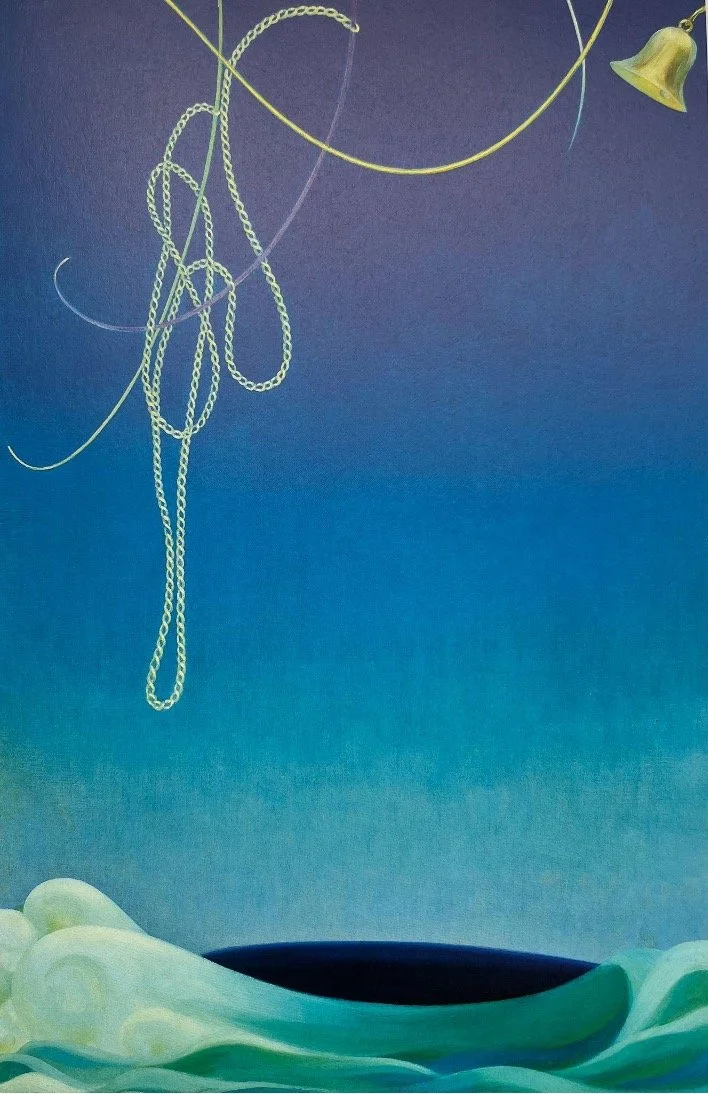
Fig. 3. Agnes Pelton, Voyaging. Oil on canvas, 1931, Private Collection.
High noon above the sea.
Looking upward, blue, empowering blue. Lines of power downward weaving
From which there springs
A chain of light.
Links of the past, illuminated,
Or of the days to come?
Airy brightness of the moment
Held in time suspended
Till above The Deep
The golden bell
Shall sound a consummation
Or a change[57]
These chains of light are described by Pelton as links to both the past and future, identifying them as sutratma, or soul threads, which connect the physical body to the higher self, as well as all of the soul’s past and future incarnations. Golden Precepts of Esotericism, a text Pelton records herself reading multiple times in her notebook, describes this Sanskrit symbol: “With the returning life- season [man] springs anew into existence and again flowers and again dies down; but always the golden thread of self — the sūtrātman — passes through both time and space.”[58]Voyaging depicts the salient moment of rebirth to a higher level, with the sutratman serving as a continual lifeline that carries the soul onward to its next life. For theosophists, this spiritual ascension was directly linked to the evolution of humanity. In 1930, Pelton transcribed Blavatsky’s evolutionary theory from The Secret Doctrine and drew her own diagram explaining the cyclical deaths and rebirths of the world’s “root races.”[59] Blavatsky wrote of the seven iterations of the world, called planetary rounds, that are each divided into seven root races (fig. 4). Root races refer to temporally divided cultural epochs that succeed each other until the dawn of a new planetary round. In any particular era, nearly everyone belongs to a particular root race, which, after completing its progress, is then replaced by another. Each root race also consists of seven sub-races, into which an individual would subsequently be reincarnated while the same Ego would be carried from one lifetime to the next. The cyclical progression through the seven root races that make up each planetary round begins with a state of utmost spirituality, in which physical matter is of minimal importance. As humanity advances through each of the races, individuals become successively more corporeal until they reach a midpoint. From that point on, Blavatsky claimed, the evolutionary trajectory would reverse itself and the root races would then progress spiritually while devolving from their physical state of being. Our contemporary epoch is in the fifth root race, being the most materially and corporeally grounded and the least spiritual.[60]
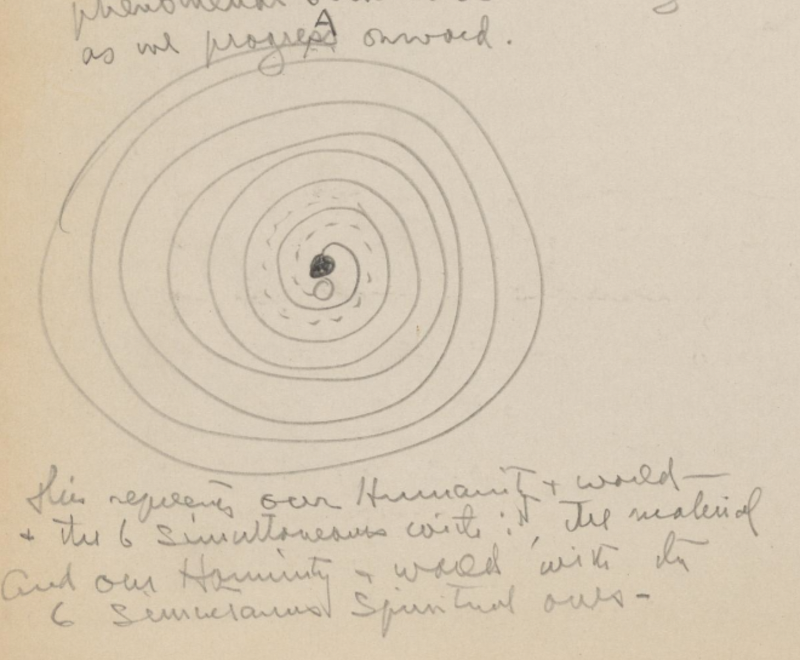
Fig. 4. Agnes Pelton, Drawing from 23 October 1930, Notebook/Sketchbook VI. Agnes Pelton Papers, Smithsonian Archives of American Art.
Blavatsky’s evolutionary trajectory coalesced Asian metaphysical religion and Western Hermeticism, yet traces of contemporary pseudo-scientific theory and racial prejudices still surfaced within her writing. The existence of the Lemurians, the third root race, was upheld by contemporary scientific theories developed by a colleague of Darwin, Philip Lutley Sclater, who claimed a land bridge once existed across the Indian Ocean, connecting Madagascar to the Malay Peninsula.[61] Blavatsky’s conception of the world’s previous root race, the Atlanteans, occurred amidst a greater revival of interest in Plato’s allegorical island of Atlantis, culminating in Ignatius Donnelly’s Atlantis: The Antediluvian World.[62]Using pseudo-archeological and historical arguments, Donnelly attempted to reconstruct Atlantis as a real civilization of superior, God-like beings. Blavatsky’s tendency to express morality as aligning with certain physiognomic characteristics was also deeply rooted in contemporary racial prejudices, as she described how the Atlanteans turned “black as sin” when their civilization fell into the “gross animality” and “self-worship” that caused their destruction.[63] Theosophists even posited that some of the world’s Indigenous cultures were actually surviving remnants of a previous root race.[64] While theosophists like Pelton sought to learn from ancient cultures to ascend to higher, more spiritual states of being, this perception of the world stemmed from modern anxieties concerning morality and cultural evolution. Rather than relying on a Darwinian definition of evolution that suggested human development evolved through arbitrary biological processes, the theosophical definition of evolution provided a comforting perception of humanity as progressively working towards universal improvement. Additionally, theosophists saw themselves nearing the end of the fifth root race, imagining a necessary and inevitable end to the devolved materialism of the modern era. Despite the many ways in which Theosophy differed from mainstream positivist theories of cultural evolution, both equated the advancement of humanity in racialized terms which pronounced Anglo-Americans as the furthest along the evolutionary chain.[65] Pelton’s Voyaging imagines her soul on the precipice of ascending in this evolutionary chain, beckoned by the call of the bell to rise to a higher plane. Yet, in seeking ‘ancient’ wisdom to assist her spiritual journey, Pelton consequently participated in the relegation of living cultures to an exoticized and antimodern past.
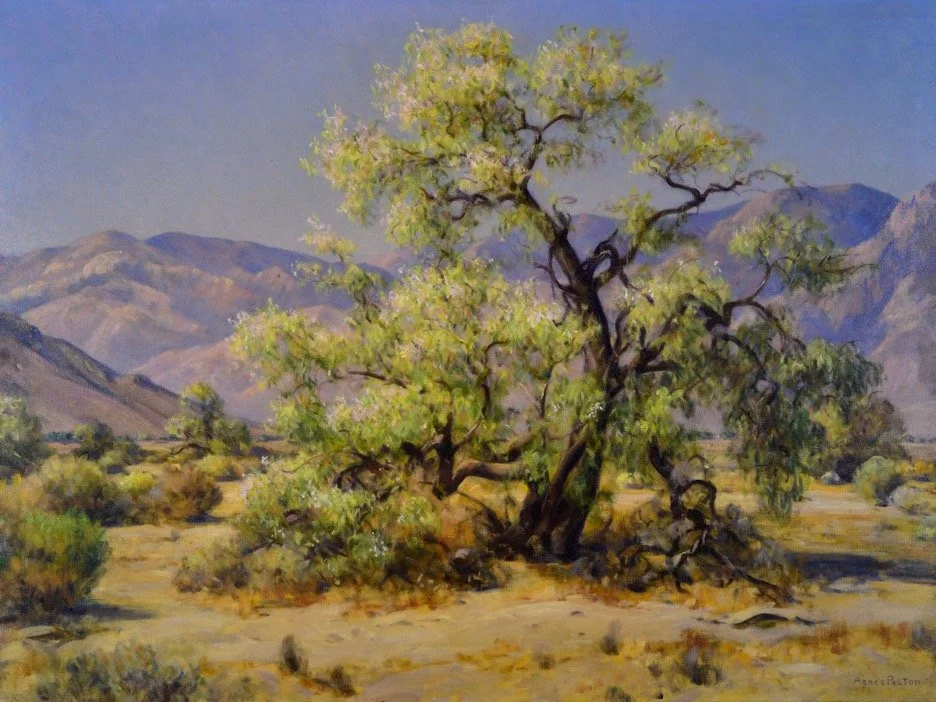
Fig. 5. Agnes Pelton, Desert Willow, Oil on canvas, 1950. Private Collection.
Abstracting the American Southwest
Around 1931, Pelton moved to Cathedral City, California, to find her own idyllic spiritual escape, or as she called it in her journal, her “Shambhala.”[66] She was persuaded to move by Mabel Dodge Luhan, who had previously relocated from New York City to Taos, New Mexico, and married a Pueblo man while living there.[67] To support her independent lifestyle, Pelton painted scenic desert landscapes of the neighboring Cahuilla Reservation to sell to tourists (fig. 5). While the artist’s passion was painting abstractions, elements of the Southwest scenery permeate into these works in abundance following her exposure to the region. This is especially evident in her works dating from 1940 to 1943, such as Awakening, Future, and Return (figs. 6- 8). All three paintings have a distinct horizon line separating the blue sky from the taupe earth. In the distance, jagged mounds create hill-like formations, echoing the Southwest desert’s rocky outcrops. Pelton’s arid sceneries, in both her tourist pictures and her abstractions, appear still and silent, as if they were preserved in time, awaiting the viewer’s quiet contemplation. If the artist’s abstractions were meant to be portals through which the viewer could achieve a transcendental experience, then their inclusion within the Southwestern wilderness makes it evident that this locale was in and of itself amenable to heightened spirituality. Pelton’s interest in the Southwest was not simply based on one sacred vision; rather, it was informed by early twentieth-century cultural narratives that portrayed the region as a tranquil escape from the superficial stress of modern life. This perception further centered the region’s Indigenous inhabitants as the primitive antithesis to everything that rendered urban American society corrupt, casting Southwest Indigenous communities as ‘authentic,’ agrarian, and morally superior stewards of the Earth. In an era of mass consumerism and industrialization, the nation thought of the American Southwest as upholding original cultural values that were rapidly being lost.
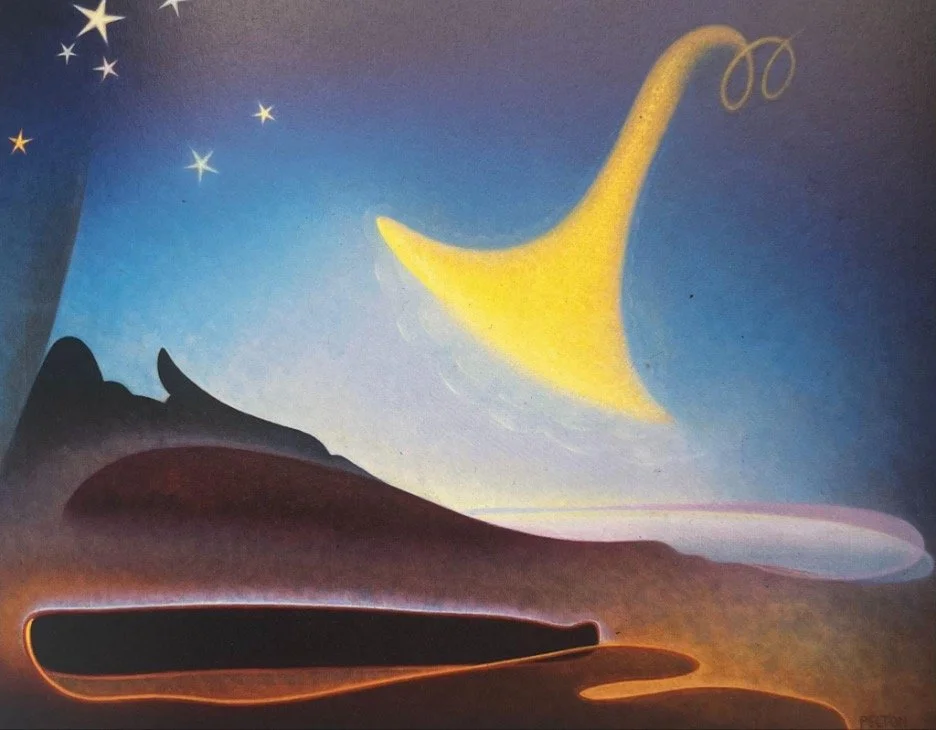
Fig. 6. Agnes Pelton, Awakening, Oil on canvas, 1943, Private Collection.
Pelton’s impressions of the American Southwest prior to 1931 came from two influential women and first-wave feminists, Mary Austin and Mabel Dodge Luhan. Mary Austin was born in California’s Mojave Desert in 1868 and eventually moved permanently to Santa Fe in 1924.[68] After divorcing her first husband, Austin joined the National American Woman’s Suffrage Association and eventually met Agnes Pelton when she submitted paintings to a New York City suffrage fundraiser exhibition in 1915.[69] Austin published several books reflecting on her experiences in the American Southwest, hailing that “one confidently predicts the rise there, within appreciable time, of the next great and fructifying world culture.”[70] For Austin, the natural environment of the Southwest had the ability to change American culture for the better. She wrote that man is shaped by “the land, the lift of its mountain lines, the reach of its valleys.”[71] Returning to a pastoral lifestyle and connecting with the land was viewed as a means to infuse the maligned urban populace with vitality and an enhanced sense of rugged American identity. The Southwest was seen as the optimal arena for a new and improved American culture to develop, devoid of the mass materialism of densely populated urban spheres. The Southwest was also removed from the large influx of immigration along the United States’ eastern coast. By the turn of the century, sixty to eighty percent of people living in America’s twelve largest cities were first- or second-generation immigrants.[72] As such, Austin portrayed Southern California and New Mexico as more quintessentially American than Eastern cities. Inhabited by Indigenous communities and WASP settlers like herself, she praised the Southwest as a microcosm of the original American frontier. In an article for The Nation in 1920 titled “New York: Dictator of American Criticism,” Austin disparaged New York City for being overrun with Jewish immigrants, who she claimed were forming a monopoly over American culture.[73] In contrast, the Southwest upheld the core of America’s perceived national authenticity, under threat by foreigners and cosmopolitanism.
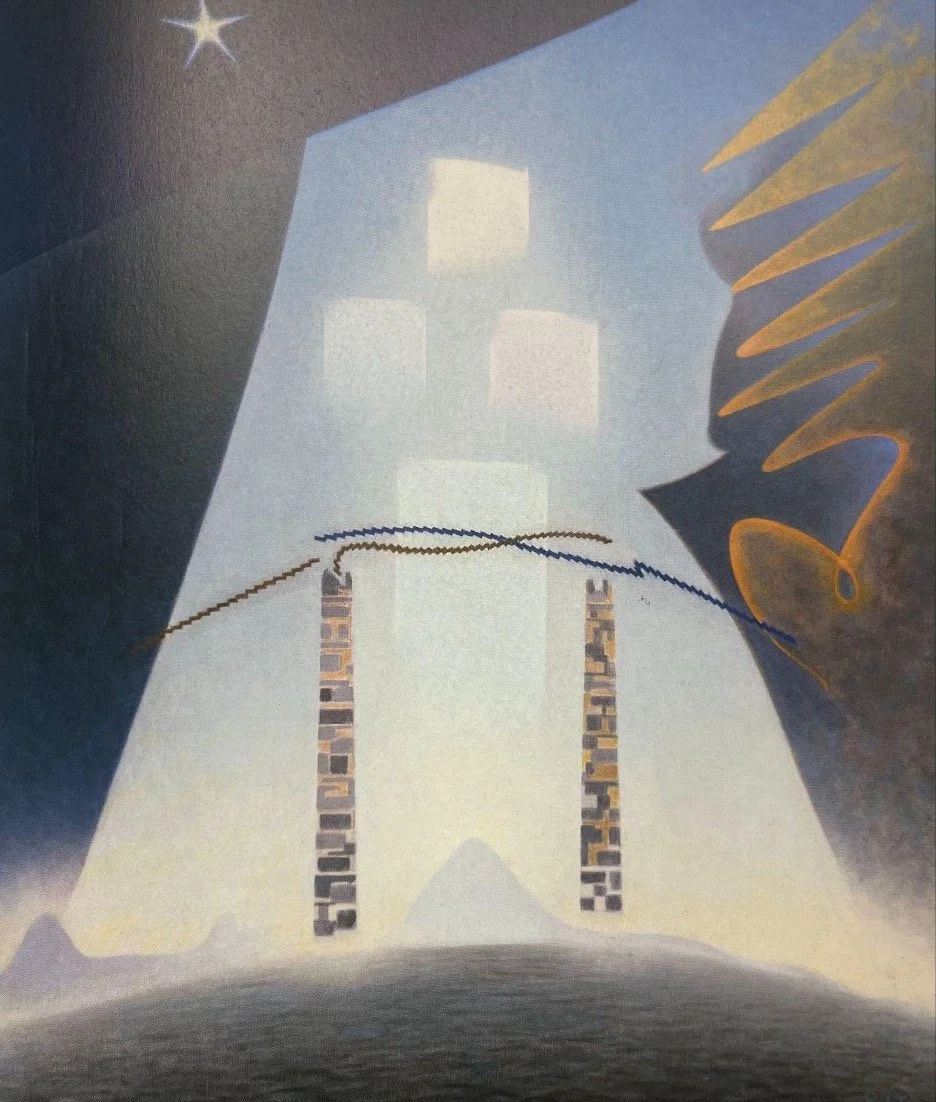
Fig. 7. Agnes Pelton, Future, Oil on canvas, 1941. Palm Springs Desert Museum, Palm Springs.
Marketing the Southwest as an American cultural cure inevitably placed the region’s Indigenous communities at the forefront, which Austin and her mutual friend, Mabel Dodge Luhan, touted extensively. Mabel Dodge was a wealthy Greenwich Village bohemian who welcomed Agnes Pelton into her salon in the early 1900s.[74] In addition to introducing Pelton to several other artists and patrons in New York City’s cultural milieu, Mabel Dodge advocated for women’s independence and sexual freedom. Publishing several memoirs about her progressive personal life and abundant affairs, Pelton read each one and reviewed them with ecstasy: “I enjoyed every little bit—nothing escaped me!”[75] Mabel Dodge’s exact motivations for moving to Taos, New Mexico, in 1917 are suspect at best: she recorded visiting a medium that foretold her being “surrounded by many people... dark people... dark faces—they are Indians... you are to help them—you are for them.”[76] However, after developing an intense fascination with the Taos Pueblo and marrying one of its members, Tony Lujan, Mabel Dodge ended up being the one in need of “help.” In her subsequent popularly read memoirs, she would cast Pueblo culture as a primitive remedy to a sorely splintered modern culture. She framed the artistry, religiosity, and communalism of the Taos Pueblo in opposition to the individualism and mechanization that defined modern American life. It was the Pueblo’s “essential primitiveness, its vital pagan quality” that attracted “the nostalgia of house-bred, book-fed peoples” such as herself.[77] Similar to how first-wave feminists sought a matriarchal idyll in ancient cultures, Progressive Era women like Mabel Dodge and Mary Austin projected a utopian vision of matriarchy and sexual freedom onto Pueblo cultures. Austin wrote that “perhaps the most stabilizing fact of the Pueblo Constitution is its retention of the matriarchal formula for its social pattern. Peace and stability, these are the first fruits of Mother-rule.”[78]
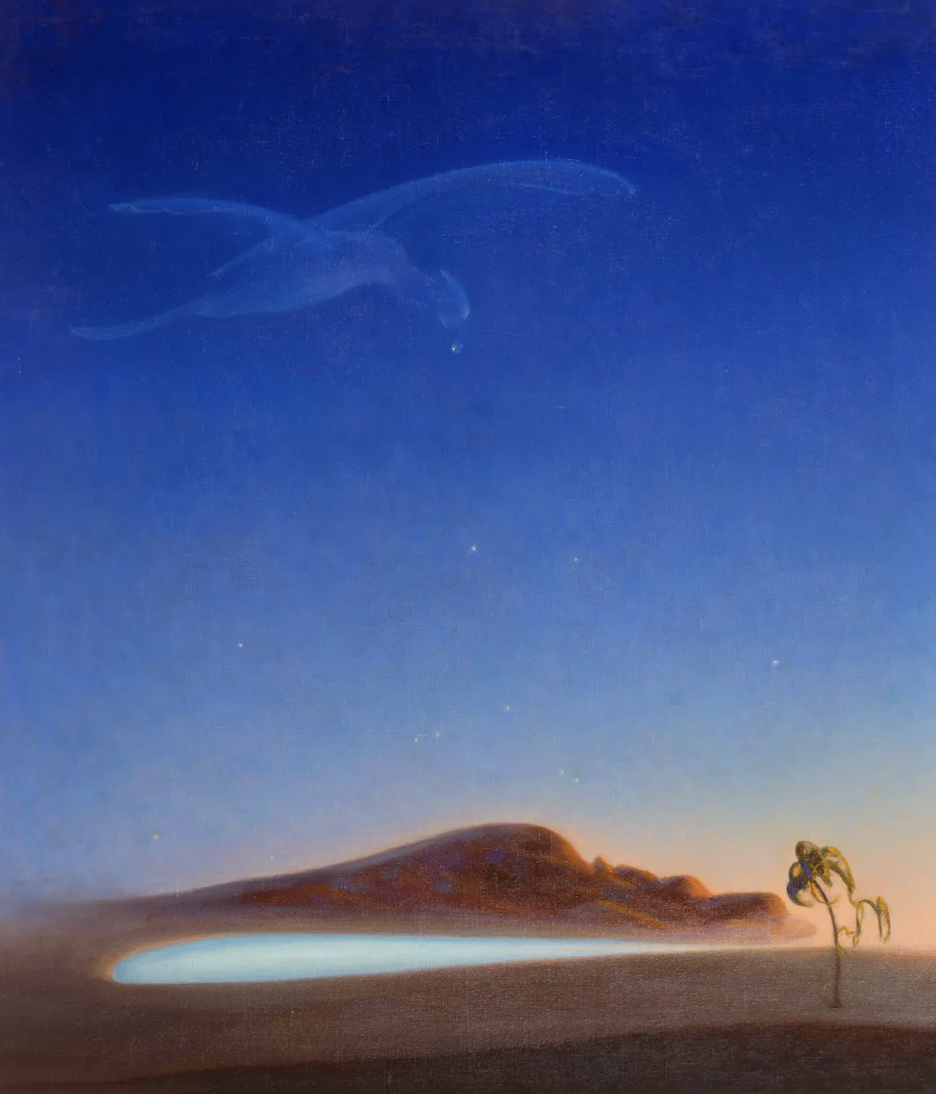
Fig. 8. Agnes Pelton, Return, Oil on canvas, 1940, Phoenix Art Museum.
Similarly, these women postured themselves as being progressive while simultaneously retaining normative conventions of a woman’s role regarding domestic labor, professing that Pueblo women found unique satisfaction in household work. Striving for the same domestic fulfillment, Mabel Dodge recalled attempting to perform the menial labor of her Indigenous servants: “My Indian girls stood round looking half-distressed and half-amused... I paid no attention to them, because I wanted this to be real. I didn’t want to experiment, I wanted to be really washing the floor.”[79] The same logic was applied to Pueblo men, who were praised for representing the hardworking yeoman farmer of American tradition by using traditional agricultural methods instead of mechanized equipment. However, many tribes were in fact in the process of adopting modern machinery in the face of economic and assimilationist pressures.[80] Such details reveal how Dodge and Austin selectively ignored any aspect of Pueblo culture that was not thriving or emblematic of their antimodern nostalgia. Dismissing centuries of contact with Spain and Mexico, their popular accounts negated the existence of change within these communities in favor of representing them as pristine and ageless. For Pelton, visiting Mabel Dodge in Taos and eventually moving to the Southwest herself was a prescriptive solution to the inauthenticity of modern society. In a letter to Dodge in 1932, Pelton asks if a friend suffering from a nervous condition might be able to stay at her residence in Taos, saying she has not “had any experience of Indian country so far as I know, but [is] I think going in ‘the right spirit!’”[81] At the end of the letter, she mentions that she is staying in Cathedral City “indefinitely,” which she did until her death in 1961.[82] Ultimately, Pelton’s vision of finding her ‘Shambhala’ of the Southwest was predicated on Austin and Dodge’s synthetic construction of the region as a primitive source of spiritual satisfaction.
Pelton was also likely influenced by Theosophy’s conjecture that the Southwest’s Indigenous cultures were arbiters of ancient knowledge, and possibly even surviving lineages of a previous root race.[83] In 1911, Sioux author and physician Charles Alexander Eastman published The Soul of the Indian, which argued that the Sioux religion embodied the original values of Christianity in a truer fashion than American Protestantism and its modern corruption. The occult magazine Theosophic Messenger republished this essay, which echoed Theosophy’s antimodern principles and beliefs in the unity of world religions, especially those with ancient “mystic practices.”[84] Additionally, many writers also began to characterize the Southwest and its Indigenous communities as “America’s Orient,”[85] leading Americans to believe they could seek brilliant natural landscapes, exotic cultures, and ancient ruins similar to those across Asia within their own country. New Mexico travel writer Erna Fergusson commented that “motorists crossing the Southwestern States are nearer to the primitive than anywhere else on the continent. They are crossing a land in which a foreign people, with foreign speech and foreign ways, offer them spectacles which can be equaled in very few Oriental lands.”[86] Mary Austin also tellingly asserted that “there is perhaps no such thing as an absolutely knowable Indian, any more than there is a completely individual Japanese.”[87] This comparison rendered Southwest Indigenous peoples as exotic, homogenous, and mysterious, a perception of non-Christian groups which Anglo-Americans typically held. These characterizations, while believed to be progressive by their early twentieth-century proponents, still relied on a polarized racial hierarchy where Anglo-Americans were modern and Indigenous peoples were antimodern.

Fig. 9. Unknown, Stone entrance towers to Cathedral City, circa 1940s. Palm Springs Historical Society.
While Pelton’s work does not make direct reference to Indigenous culture, her abstracted vision of the Southwest echoes contemporary trends of portraying the land as temporally stationary and unscathed by the excesses of modern life. Pelton’s expressions of the landscape seem inextricably linked to her longing for the past. As Mikhail Bakhtin wrote in his essay “Forms of Time and of the Chronotope in the Novel,” “time, as it were, thickens, takes on flesh, becomes artistically visible; likewise, space becomes charged and responsive to the movements of time, plot, and history.”[88] In Future, two rectangular stone pillars rise out of a wide, barren desert. Erratic zigzags emanate from the pillars in streaks of blue and gold. The pale violet sky is crowned by four bands of brilliant white light. The columns appear as if their bases are dematerializing from the bottom up, lending the impression of ethereal weightlessness. The pillars may hint at a Biblical reference to the twin columns of Jachin and Boaz at the entrance of Solomon’s temple in Jerusalem. Art historian Nathan Rees has suggested that Pelton also had local ruins in mind when painting Future, as the Cahuilla Reservation land she often visited contained remnants of carved stone structures from previous generations.[89] They also have a striking resemblance, however, to the arched entryway of Cathedral City itself, perhaps displaying a reflection on the ten-year anniversary of her move (fig. 9). Ultimately, it is the name of the painting, Future, that allows these various interpretations to come together in one tranquil desert scene. Through her desert abstractions, Pelton synthesized ancient references to her own sacred space in the present. As a theosophist, she believed that uncovering ancient knowledge would unleash spiritual ascendance, bringing about the future and a new, more evolved root race with it. Kim Sawchuk utilizes Bakhtin’s conception of the chronotope to analyze cubist paintings, which fracture space and time “by providing images of the same movement from different points in space and multiple views of a single scene in various points in time.”[90] Conversely, Future’s superimposition of ancient sites with a contemporary one freezes, rather than fractures, space and time. Future further demonstrates Pelton’s idealization of the desert landscape as universally associated with the primitive, the ancient, and the sacred. She conceived of the Southwest as her Shambhala, not simply because it gave her a quiet respite to work in, but because contemporary narratives had shaped the region into a land that was more culturally authentic than the rest of the United States. These narratives, and Pelton’s subsequent paintings, relied on articulating the Southwest as a static, perfectly preserved relic of the past.
Conclusion
Pelton’s abstractions are indicative of her idyllic antimodernism: empty landscapes, fragments of ancient ruins, golden sutratma threads, and maternal deities transport the artist to a higher state of being, closer to the divine conception of the ancient world that Theosophy based its teachings on. This longing for the past developed out of a larger cultural crisis against modernity at the turn of the century, in which aimless members of the urban bourgeois sought therapeutic mind-cures, alternative religion, and countryside retreats to heal from modern stressors like bureaucracy and industrialization. In Mother of Silence, Pelton depicts a divine maternal figure inspired by Emma Curtis Hopkins’ New Thought teachings that echoes first- wave feminists’ conception of prehistoric matriarchy. The artist’s depiction of sutratma soul threads in Voyaging represents Theosophy’s evolutionary response to Darwin and Spencer. Instead of an evolutionary outlook that demanded constant material advancement and the ‘survival of the fittest,’ Theosophy’s evolutionary tract strived for humanity’s regression to ancient spirituality and ways of living. Finally, Future depicts the serene and unscathed desert of the Southwest, which Pelton’s contemporaries characterized as primitive, exotic, and deeply spiritual. Constructing a vision of the past that possessed a greater sense of morality, spirituality, and authenticity was the distinct invention of a modern era that critiqued itself as overcivilized and superficial. Painting the antimodern was a spiritual escape for Pelton, grounded in a greater cultural response against the adversity of modern culture on the individual American spirit.
Endnotes
[1] Annie Besant and Charles Leadbeater, “The Meaning of the Colours,” in Thought-Forms (Theosophical Publishing House, 1901), 32.
[2] Erika Doss, “Agnes Pelton & Occulture: Spiritual Seeking & Visionary Modernism,” in Spiritual Moderns: Twentieth-Century American Artists and Religion (University of Chicago Press, 2022), 138-139. https://doi.org/10.7208/chicago/9780226823478-005 .
[3] Agnes Pelton, Notebook/Sketchbook VIII, 5 November 1941, box 3, folder 1, Agnes Pelton Papers, Archives of American Art, Smithsonian Institution.
[4] Agnes Pelton, Notebook/Sketchbook VIII, 19 September 1939, box 3, folder 1, Agnes Pelton Papers.
[5] Agnes Pelton, “Abstraction in Color,” in Exhibition of Paintings, Abstractions by Agnes Pelton, November 11th to 23rd, 1929, Montross Gallery (Montross Gallery, 1929), n.p.
[6] Nancy Sheley, “Bringing Light to Life: The Art of Agnes Pelton,” (PhD diss., University of Kansas, 2000), 95, ProQuest (9998112).
[7] Agnes Pelton, Notebook/Sketchbook VI, 27 April 1934, box 2, folder 8, Agnes Pelton Papers.
[8] Doss, “Agnes Pelton and Occulture,” 141.
[9] Steffen Wöll, “The Incommensurable West between Integration and Separation,” in The West and the Word: Imagining, Formatting, and Ordering the American West in Nineteenth-Century Cultural Discourse (De Gruyter Oldenbourg), 185.
[10] Charles Darwin, "Comparison of the Mental Powers of Man and the Lower Animal," in The Descent of Man and Selection in Relation to Sex (John Murray, 1871), 105.
[11] Gillian Beer, “Analogy, metaphor and narrative in The Origin,” in Darwin’s Plots: Evolutionary Narrative in Darwin, George Eliot and Nineteenth-Century Fiction (Cambridge University Press, 2009), 90.
[12] T. J. Jackson Lears, “Roots of Antimodernism: The Crisis of Cultural Authority during the Late Nineteenth Century," in No Place of Grace: Antimodernism and the Transformation of American Culture, 1880-1920 (University of Chicago Press, 2021), 21, https://doi.org/10.7208/chicago/9780226794587-005 .
[13] Lears, “Roots of Antimodernism,” 4.
[14] Lears, “Roots of Antimodernism," 50.
[15] Lears, “Roots of Antimodernism," 51.
[16] Doss, “Agnes Pelton & Occulture,” 146.
[17] Lears, “Roots of Antimodernism," 58.
[18] Lears, “Roots of Antimodernism," 58.
[19] Blavatsky’s seminal text, Isis Unveiled, analyzes a multitude of sacred writings from ancient pre-history, including but not limited to Greek mythology, writings from Ancient Egypt, and Vedic texts. Early Judeo-Christian and Zoroastrian writings are also considered.
[20] David G. Schuster, "The Search for Inspiration: Neurasthenia and Therapeutic Spirituality," in Neurasthenic Nation: America's Search for Health, Happiness, and Comfort, 1869-1920 (Rutgers University Press, 2011), 67, https://doi.org/10.36019/9780813552224-006 .
[21] Schuster, "The Search for Inspiration: Neurasthenia and Therapeutic Spirituality," 92.
[22] Agnes Pelton, Notebook/Sketchbook VIII, 22 February 1942, box 3, folder 1, Agnes Pelton Papers.
[23] Doss, "Agnes Pelton & Occulture," 157.
[24] Agnes Pelton to Mabel Dodge Luhan, 1921 (month unknown), box 28, folder 808, Mabel
Dodge Luhan Papers, Yale Collection of American Literature, Beinecke Rare Book and
Manuscript Library.
[25] Brandy Scalise, “Preaching without a Pulpit: Women's Rhetorical Contributions to Scientific
Christianity in America, 1880-1915,” (PhD diss., Pennsylvania State University, 2011), 196,
ProQuest (3577718).
[26] Emma Curtis Hopkins, Résumé: Practice Book for the Twelve Lessons inHigh Mysticism (WiseWoman, 2007), 79.
[27] Doss, "Agnes Pelton & Occulture," 144.
[28] Emma Curtis Hopkins, Class Lessons of 1888 (WiseWoman Press, 2011), 219.
[29] Gail M. Harley, “Emma Curtis Hopkins: 'Forgotten Founder' of New Thought,” (PhD diss., Florida State University, 1991), 126, ProQuest (9202298).
[30] Agnes Pelton, Notebook/Sketchbook VI, 13 July 1933, box 2, folder 8, Agnes Pelton Papers.
[31] Beryl Satter, "Emma Curtis Hopkins and the Spread of New Thought, 1885-1905," in Each Mind a Kingdom (University of California Press, 1999), 92, https://doi.org/10.1525/9780520927179-006.
[32] Joy Dixon, Divine Feminine: Theosophy and Feminism In England (Johns Hopkins University Press, 2001), 182, https://hdl.handle.net/2027/heb04494.0001.001 .
[33] Cynthia Eller, “Making Matriarchal Myth Work: Communists and Feminists Discover the Mother Age,” in Gentlemen and Amazons: The Myth of Matriarchal Prehistory, 1861-1900 (University of California Press, 2011), 128-129.
[34] Eliza Burt Gamble, The God-Idea of the Ancients (Lettel Books, 2025), i.
[35] Eller, “Making Matriarchal Myth Work,” 131.
[36] Helena Blavatsky, The Secret Doctrine Volume I (The Theosophical Publishing House, 1893), 35.
[37] Blavatsky, The Secret Doctrine Volume I, 380.
[38] Blavatsky, The Secret Doctrine Volume I, 495.
[39] Agnes Pelton to Jane Levington Comfort, 16 November 1957, box 1, folder 12, Agnes Pelton Papers, Archives of American Art, Smithsonian Institution.
[40] Sheley, “Bringing Light to Life: The Art of Agnes Pelton,” 23.
[41] Agnes Pelton, Notebook/Sketchbook VIII, 31 January 1947, Agnes Pelton Papers.
[42] Sheley, “Bringing Light to Life,” 25.
[43] Doss, “Agnes Pelton and Occulture,” 168.
[44] Doss, “Agnes Pelton and Occulture,” 166.
[45] Agnes Pelton, Agnes Pelton Papers
[46] Catherine Albanese, "Metaphysical Asia," in A Republic of Mind and Spirit: A Cultural History of American Metaphysical Religion (Yale University Press, 2008), 338, https://doi.org/10.12987/9780300134773-009 .
[47] Agnes Pelton to Jane Levington Comfort, 26 November 1944, box 1, folder 10, Agnes Pelton Papers.
[48] Agnes Pelton to Jane Levington Comfort, 11 August 1932, box 1, folder 4, Agnes Pelton Papers.
[49] Doss, “Agnes Pelton and Occulture,” 173.
[50] Doss, “Agnes Pelton and Occulture,” 174-175.
[51] Jane Levington Comfort to Mabel Dodge Luhan, 15 November 1943, box 6, folder 192, Mabel Dodge Luhan Papers.
[52] Agnes Pelton, Notebook/Sketchbook VIII, 19 November 1942, box 3, folder 1, Agnes Pelton Papers.
[53] Agnes Pelton, Notebook/Sketchbook VI, box 2, folder 8, Agnes Pelton Papers.
[54] Stephen R. Prothero, The White Buddhist: The Asian Odyssey of Henry Steel Olcott (Indiana University Press, 1996), 134.
[55] Kathleen Pyne, “The American Response to Darwinism,” in Art and the Higher Life: Painting and Evolutionary Thought in Late Nineteenth-Century America (University of Texas Press, 1996), 27.
[56] Blavatsky, Isis Unveiled Volume II (The Theosophical Publishing House, 1877), 444.
[57] Agnes Pelton, Notebook/Sketchbook V, 22 January 1931, Box 2, Folder 7, Agnes Pelton Papers.
[58] Gottfried de Purucker, Golden Precepts of Esotericism (The Theosophical Society of Pasadena, 1931), 72.
[59] Agnes Pelton, Notebook/Sketchbook VI, 23 October 1930, box 2, folder 8, Agnes Pelton Papers.
[60] Blavatsky, The Secret Doctrine Volume II (Theosophical Publishing Company, 1888), 146.
[61] Albanese, “Metaphysical Asia,” 341.
[62] Albanese, “Metaphysical Asia,” 341.
[63] Albanese, “Metaphysical Asia,” 342.
[64] Nathan Rees, “’Where “Deep Streams Flow, Endlessly Renewing’: Metaphysical Religion and ‘Cultural Evolution’ in the Art of Agnes Pelton,” in American Religious Liberalism, ed. by Leigh E. Schmidt and Sally M. Promey (University of Indiana Press, 2012), 145.
[65] Yves Mühlematter, “Theosophical Evolutionism, or the Narrative of Progress” in Accelerating Human Evolution by Theosophical Initiation: Annie Besant’s Pedagogy and the Creation of Benares Hindu University (De Gruyter Oldenbourg, 2023), 114.
[66] Agnes Pelton, Notebook/Sketchbook VII, 14 August 1931, Box 2, Folder 9, Agnes Pelton Papers.
[67] Margaret D. Jacobs, “Feminists and Cultural Relativism,” in Engendering Encounters: Feminism and Pueblo Cultures, 1879-1934 (University of Nebraska Press, 1999), 69.
[68] Jacobs, “Feminists and Cultural Relativism,” 62.
[69] Sheley, “Bringing Light to Life,” 66.
[70] Mary Austin, The Land of Journey’s Ending (The Century Company, 1924), 172.
[71] Austin, The Land of Journey’s Ending (The Century Company, 1924), 437.
[72] Pyne, “The Question of Social Evolution,” in Art and the Higher Life, 30.
[73] Leah Dilworth, “Modernism, Primitivism, and The American Rhythm,” in Imagining Indians in the Southwest: Persistent Visions of a Primitive Past (Smithsonian Institution Scholarly Press, 1997), 190.
[74] Sheley, “Bringing Light to Life,” 30.
[75] Agnes Pelton to Mabel Dodge Luhan, 2 October 1933, box 28, folder 808, Mabel Dodge Luhan Papers.
[76] Jacobs, “Feminists and Cultural Relativism,” 69.
[77] Jacobs, “Feminists and Cultural Relativism,” 60.
[78] Austin, Land of Journey’s Ending, 73-74.
[79] Mabel Dodge Luhan, Lorenzo in Taos (Alfred A. Knopf, 1932), 74.
[80] Jacobs, “Feminists’ Redefinition of Gender and Race,” in Engendering Encounters, 91.
[81] Agnes Pelton to Mabel Dodge Luhan, 26 September 1932, Mabel Dodge Luhan Papers.
[82] Doss, “Agnes Pelton and Occulture,” 184.
[83] Rees, “’Where “Deep Streams Flow, Endlessly Renewing,’” 145.
[84] Rees, “’Where “Deep Streams Flow, Endlessly Renewing,’” 147.
[85] Dilworth, “Introduction,” in Imagining Indians in the Southwest, 5.
[86] Jacobs, “Feminists’ Redefinition of Gender and Race,” 97.
[87] Austin, Land of Journey’s Ending, 246.
[88] Mikhail Bakhtin, “Forms of Time and of the Chronotope in the Novel,” The Dialogic Imagination, trans. Caryl Emerson and Michael Holquist (Austin University of Texas Press, 1981), 85.
[89] Rees, “’Where “Deep Streams Flow, Endlessly Renewing,’” 137.
[90] Kim Sawchuk, "Modernity, Nostalgia, and the Standardization of Time," in Antimodernism and Artistic Experience: Policing the Boundaries of Modernity, ed. Lynda Lee Jessup (University of Toronto Press, 2001), 160, https://doi.org/10.3138/9781442623101-013.